The main thing to remember
Freelancer or branding agency? The real question isn't price. It's scope.
An excellent freelancer can be enough for a precise, well-scoped need: a logo, an art direction, copywriting. But as soon as the subject touches strategy, verbal identity, web design, UI and sales rollout, multiplying contributors creates a real risk: who then connects each piece to the rest?
An agency brings an overall reading: it connects the brand platform to the visual identity, then to the website, then to sales uses. The hidden cost of fragmentation (scoping time, back-and-forths, inconsistencies discovered at launch) often exceeds the initial budget difference.
The right choice depends on the company's stage: a freelancer may be enough at seed stage with a targeted scope. An agency takes the lead as soon as the brand has to convince several audiences at once: prospects, talent, investors, teams.
A strong brand doesn't come from adding up talents. It comes from a clear direction, held from start to finish.
Choosing between a freelancer and a branding agency isn't a question of status. It's a question of risk, pace and ambition. If your brand simply needs to exist, many profiles can produce something decent. If it needs to convince, stand out and support a business trajectory, the bar rises immediately.
So the real question isn't who is “better” in theory. It's which structure can absorb your complexity without diluting your message. And that's often where hasty decisions cost a lot.
{{block-cta-1}}
Freelancer or branding agency: the wrong question
Freelancers and agencies are often compared on three criteria: price, flexibility, speed. That's useful, but too narrow. A brand isn't just a logo delivered fast or a well-presented strategic recommendation. It lives in a coherent whole: positioning, messaging, visual identity, materials, website, experience, internal adoption.
This whole is precisely what a brand platform formalizes: the document that connects each layer before they roll out separately.
In other words, your choice depends less on the type of provider than on the real scope of the project. Redoing a logo isn't overhauling a brand. Rolling out a new image across a website, sales decks, campaigns and social media isn't an execution detail. It's already a complete mechanism.
An excellent freelancer can be the right choice for a precise need. An agency often becomes more relevant when several layers of the brand need to be connected without a break between substance and form.
What a freelancer does very well
A freelancer is often formidable on clear ground: a well-scoped assignment, a clear need, a single point of contact. When the project is about art direction, a logo, a visual territory, naming or very specific copywriting, a senior freelancer can bring real finesse.
To understand what makes a good logo, our branding guide: how to create a unique, modern and effective logo lays the groundwork.
There's also a relationship advantage. Contact is direct. Decisions are faster. Production can be very smooth if the person is organized and your team knows how to decide. For a young brand with a targeted need and a limited budget, it's often a smart option.
But this model has a simple limit: one person is still one person, however brilliant. If your project touches strategy, verbal identity, art direction, web design, UI, motion, SEO or sales rollout, you either have to accept uneven depth or multiply contributors. And as soon as you multiply hands, consistency becomes a project in its own right.
What a branding agency brings differently
An agency doesn't just bring more resources. It brings an overall reading. That's where the difference becomes tangible.
When a company enters a growth phase, the symptoms are well known: vague messaging, a dated image, stagnating acquisition, weak perception against competitors, inconsistent materials, a website that doesn't convert as well as the product deserves. Branding can no longer be treated as a series of micro-deliverables. It has to become a system again.
A well-built agency can align this system. It connects the brand platform to the visual identity, then to the website, then to sales uses. It makes trade-offs. It prioritizes. It prevents the tone from saying one thing while the design tells another.
To understand this mechanism step by step, our guide how to build a brand platform in 5 steps details the complete process.
That's often what makes the difference between a “prettier” brand and a more credible one.
Take a common case: a company wants to move upmarket before a fundraise, a media campaign or entering a new market. If the positioning isn't clarified, the logo won't fix anything. If the website doesn't express the new promise, the new identity will remain cosmetic. If internal teams don't get on board, the rebrand will stay superficial. A serious agency handles these dependencies from the start.
{{cta-1}}
Freelancer or branding agency depending on your stage
For a young company at the seed stage, with an offer still in flux and few materials to redo, a freelancer may be enough. As long as you're clear-eyed: you're not buying a complete transformation, you're buying a well-executed piece.
For a company of 5 to 30 employees, already selling, with a team, acquisition challenges and several brand touchpoints, an agency often has the edge. Why? Because the cost of inconsistency becomes higher than the initial budget difference.
This is especially true when the brand has to convince several audiences at once: prospects, talent, investors, partners, teams. In that context, a fragmented response quickly creates visible seams.
We often see this in repositioning projects. A company changes direction, targets a more premium market or wants to escape an overly generic image. A freelancer can produce an excellent piece. But who then connects that piece to the rest? Who holds the thread between the promise, the narrative, the aesthetics, the website and sales uses?
The subject everyone underestimates: the hidden cost of fragmentation
A freelancer often looks cheaper at first. Sometimes that's true. But the real budget of a brand project can't be read from the quote alone.
To compare the costs of a brand project concretely, read our articles on how much a logo costs: freelancer vs agency pricing and how much an agency brand platform costs.
You need to count internal scoping time, coordination between disciplines, back-and-forths between a strategist, a designer and a developer, rework due to blind spots, and inconsistencies discovered at launch. When nobody steers the whole, the company absorbs this work internally, often without having anticipated it.
That's where many leaders find themselves in an uncomfortable spot: they've paid for several areas of expertise but have to act as conductor themselves. As a result, the brand moves forward, but without clear tension. The project drags on. The quality settles lower.
Conversely, a premium agency costs more precisely because it reduces this friction. You're not just buying production. You're buying consistency, project management and high standards of execution across the whole chain.
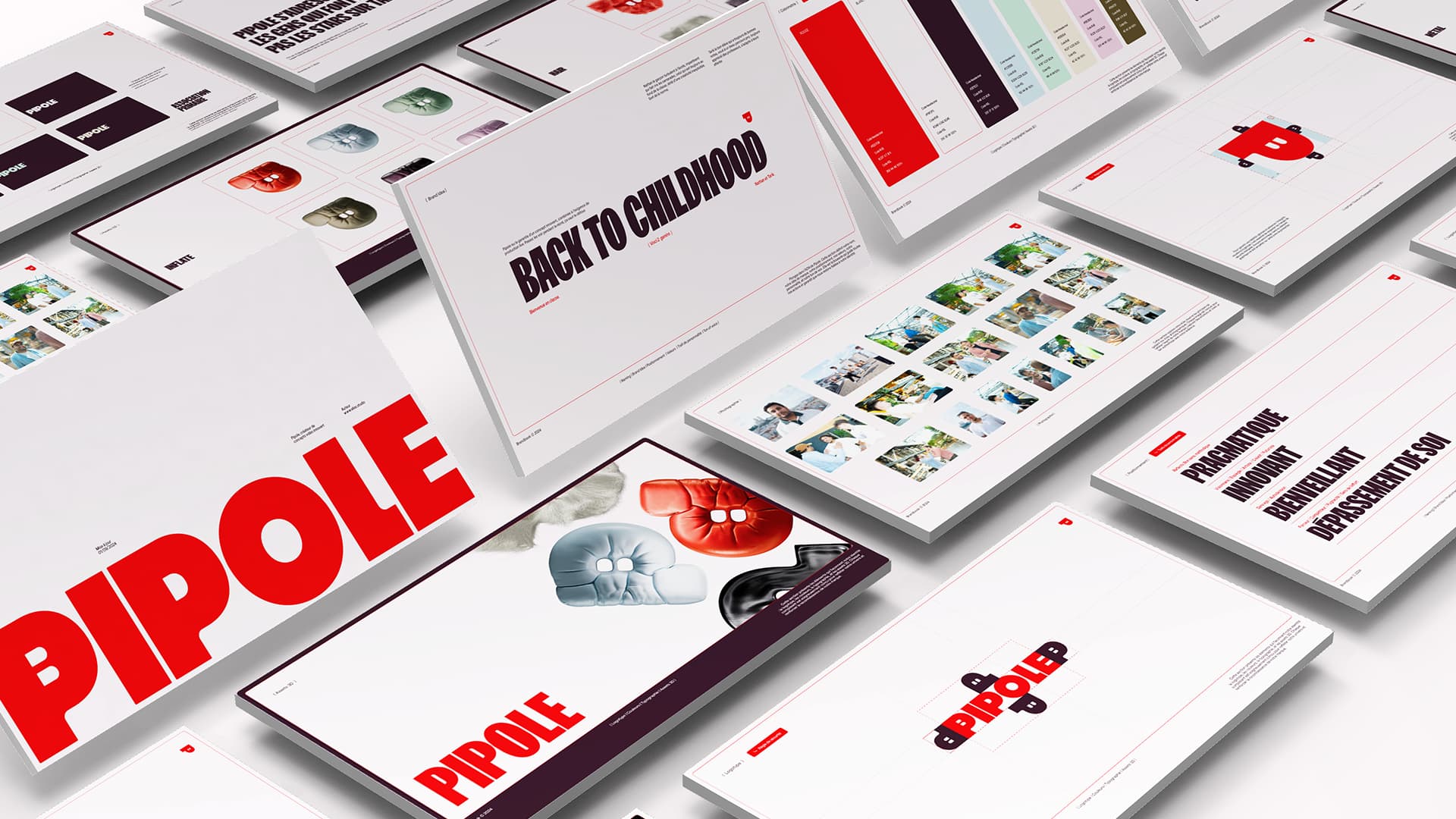
This consistency takes concrete form in brand guidelines: the document that ensures every deliverable, whoever produces it, stays true to the same brand.
{{cta-2}}
Signs that you need an agency
If your identity no longer reflects your real level, if your website holds back conversion, if your messaging lacks sharpness or if your brand has to support a change of scale, an agency often becomes the most rational choice.
The data confirms this: our study on the figures that prove branding transforms business growth demonstrates it.
Same logic if you're preparing a campaign, a fundraise, a repositioning, an offer launch or expansion into a new market. At these moments, the brand is no longer packaging. It becomes an accelerator or a brake.
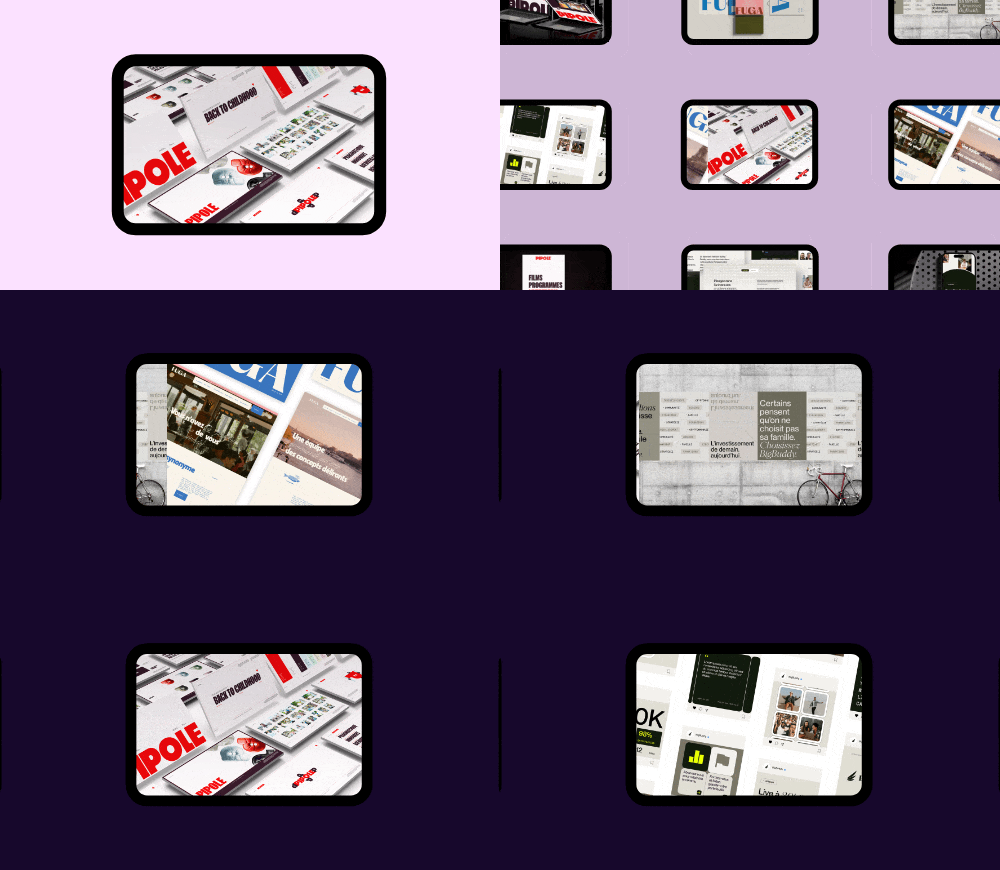
Companies like Chance, for example, didn't need simple embellishment. They needed clearer messaging and a more striking identity to amplify the impact of a highly visible campaign. That kind of challenge takes more than a good creative gesture. It requires strong alignment between message, image and activation context.

Signs that a freelancer may be enough
If you already have a clear brand platform, a solid strategic direction and a very targeted scope, a senior freelancer can be an excellent choice. That's true for a light visual evolution, a copywriting assignment, a series of illustrations, a landing page design or a one-off motion need.
The key point is how mature your framework is. The clearer your decisions upfront, the better a freelancer can perform. The greater the vagueness, the greater the risk.
{{block-cta-2}}
How to choose without getting it wrong
Look less at the sales promise than at the ability to produce a consistent result. Ask yourself who thinks through the complete system. Who challenges the brief. Who knows how to bring out a brand point of view, then express it everywhere without losing substance.
The portfolio matters. Not to admire images, but to check something more strategic: does each project feel right for the client, or does everything look the same? A good branding agency doesn't impose a style. It builds a distinct presence.
Also look at the quality of the scoping. A good partner doesn't say yes to everything. It reframes the scope, prioritizes deliverables and settles trade-offs early. This level of rigor avoids many costly mistakes later on.
At Studio Elias, the logic is simple: connecting positioning, identity and digital in a single trajectory. That's often what growing brands are looking for when they no longer want to manage three providers to tell one story.
{{cta-3}}
Ultimately, choosing between a freelancer or a branding agency comes down to your operational ambition. If you have an isolated need, hire a specialist. If you need to build a clear, emotional, and credible brand across multiple touchpoints, look for a team capable of maintaining the vision through to deployment.
A strong brand isn't built by simply adding talents. It comes from a clear direction, maintained from start to finish. That's the thread you need to protect.