


95% of buying decisions are made unconsciously: design, words, atmosphere, tone... everything related to the brand influences the decision before the customer is even aware of it.
A strong brand creates:
Visual and strategic coherence is therefore not a “plus”, but a performance lever.
Businesses that work on their branding see:
We often talk about design, logo, tone of voice, website... But we forget the essential point: it's not logic that sells, it's emotion. And the numbers speak for themselves.
95% of purchasing decisions are unconscious. An emotional advertisement performs twice as well as a rational one. Customers emotionally connected to a brand spend three times more. In a market where all products are similar, it's no longer the best price that wins, but the best promise.

Most companies still believe that their customers choose a product based on its features, sales pitch, or technical specifications. However, 95% of purchasing decisions are unconscious and emotional. This is demonstrated by Gerald Zaltman's study at Harvard: our brain filters, feels, and decides even before we are aware of it.

The design, words, tone, and atmosphere of a website or advertising video activate brain areas linked to memory and pleasure. The user then rationally justifies their decision, but the initial impulse is emotional. This is where the brand plays its most powerful role.
A brand strategy enables the creation of a unique mental category: a feeling, a perception, immediate recognition. This is what transforms a company into a benchmark in the customer's mind.
Emotional campaigns are twice as effective in the long term as campaigns focused solely on rational arguments. They produce an average increase of 31% in long-term profits, compared to 16% for traditional campaigns.
This difference is simply explained: emotion creates memory, consistency creates assurance, and storytelling creates preference. A clearly positioned brand generates a connection, and this connection translates into revenue.
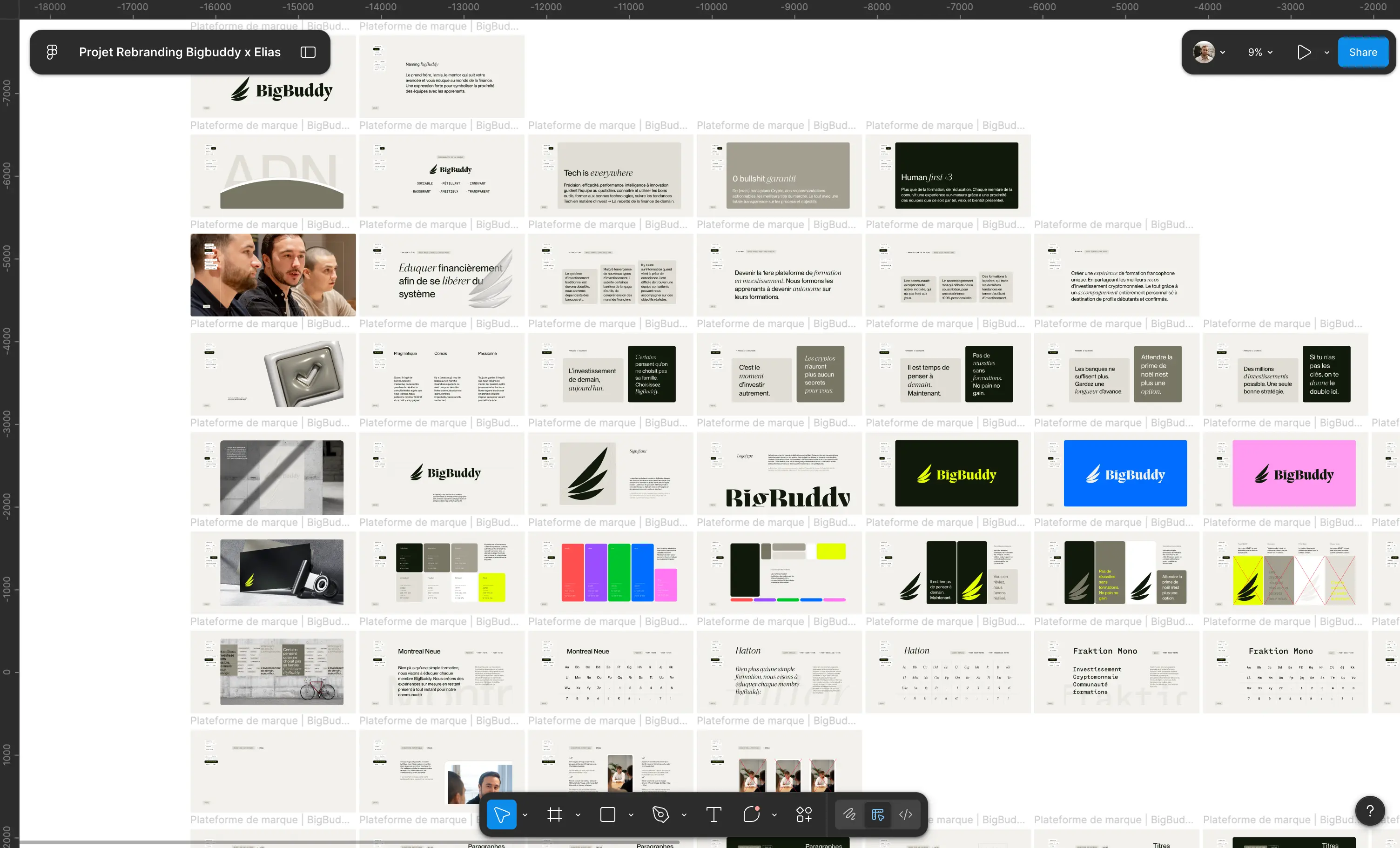
This storytelling takes shape in a well-constructed brand platform. To understand how to build it, consult our guide on how to build a brand platform in 5 steps.

It only takes 50 milliseconds for a user to decide whether to stay or leave a site. Half a blink of an eye. Design, colors, visual balance, and typographic hierarchy instantly determine the perception of seriousness, quality, and reliability.
To apply these principles to your website, check out our 8 Webflow elements to improve user experience.
A consistent identity establishes a reassuring visual framework. A well-structured presentation allows visitors to understand, in a few seconds, who you are, what you offer, and why they should stay. This is where branding becomes a full-fledged UX lever.
The consistency of a visual identity directly increases brand recognition. When every touchpoint expresses the same personality, consumers instinctively associate this consistency with quality and professionalism. This is precisely what is guaranteed by a brand guidelines document that is well-constructed – the reference document that standardizes all your communication materials.
Consistent brands get more repeat visits, a better recommendation rate, and a higher product perception. It's also one of the reasons why a rebranding can profoundly change a company's trajectory. Jaguar doubled its traffic after its image overhaul, while other companies experienced the opposite effect with hasty rebrands.

We discuss it in detail in our dedicated article on Jaguar's rebranding, where we explain how this overhaul doubled their traffic and repositioned the entire brand.
{{cta-1}}
When a brand is clear, visible, and consistent, it naturally generates more direct searches. More brand traffic means less reliance on advertising, reduced acquisition costs, and stronger conversion.
After a strategic overhaul, businesses typically see an average revenue growth of about 20%. Perceived quality, content structure, emphasized values, and clarity of positioning play a decisive role.
To understand what's behind this 20%, our article on brand differentiation: stand out or disappear explains the practical mechanisms.
A loyal customer spends 67% more than a new customer. And this loyalty isn't a coincidence: it stems from an emotional connection fostered by the brand.
Harvard Business Review states that emotionally connected customers have a lifetime value three times higher. They are more engaged, purchase more often, and recommend more. In competitive sectors, this behavior becomes one of the most profitable growth drivers. This is the very definition of a Love Brand: a brand that creates a lasting emotional connection. Discover our article on "Love Brand": Decoding Brand Love.
In B2B, perception plays a decisive role. Clients don't just judge a product or expertise; they evaluate a company's credibility, intent, clarity, and solidity. A brand lacking structure breeds doubt. A well-managed brand establishes credibility. And in a complex buying cycle, credibility is a powerful accelerator.
A brand's structure is its brand platform : the strategic document that defines its mission, vision, values, and Brand Idea—the foundation upon which everything else rests.
This is precisely what happened for Allshare. The company had solid expertise, but its initial identity didn't convey its value or the breadth of its offering. By developing a more structured identity, a more assertive tone, and a clearer website, Allshare gained immediate recognition. In the weeks following the launch, brand-related searches increased by over 50%. This figure is not insignificant: it reveals new curiosity, spontaneous interest, and a better-understood positioning. Two unsolicited applications even came in before the brand had launched any specific communication. When the image is right, it naturally attracts.

{{cta-2}}
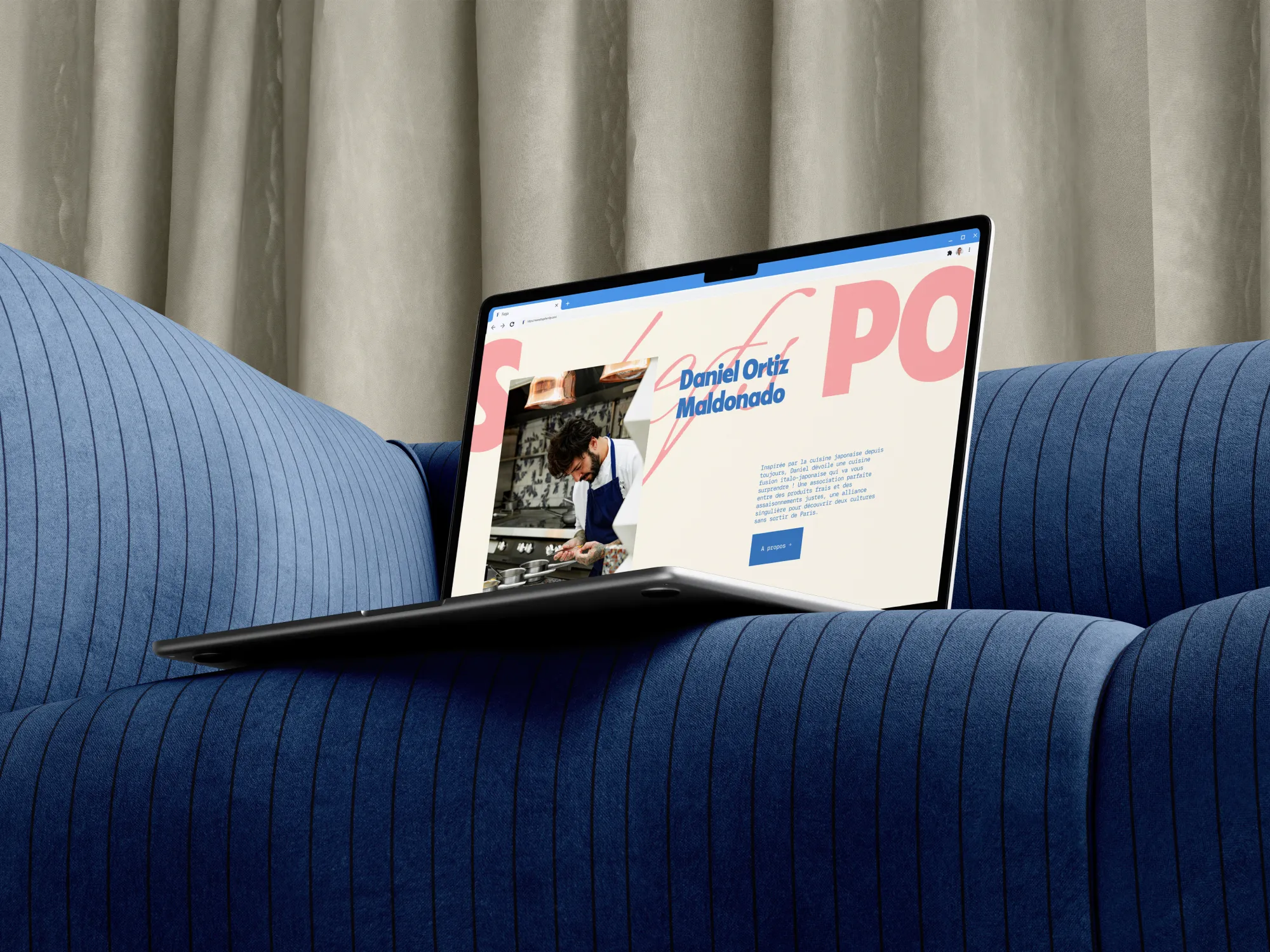
For Fuga, the challenge was different: how to embody luxury, precision, and quality of experience within a digital platform. The work on artistic direction, visual consistency, and site structure helped align the perceived image with the actual service experience. The result: a 1.5x increase in the number of B2B quote requests. And a traffic curve that shows strong and continuous interest, with nearly 50,000 monthly visitors. A clearer brand means a more impactful message; a more impactful message means more effective acquisition.
{{cta-3}}
These two cases illustrate a simple truth: a well-built brand doesn't just add an aesthetic layer. It improves understanding, strengthens credibility, facilitates decisions, and establishes a lasting competitive advantage. In a saturated environment, these nuances often make the difference between a visible company and a chosen company.
{{block-cta-1}}
A clear brand acts as an amplifier. When positioning is crystal clear, the message is consistent, and the identity tells the right story, every marketing action becomes more effective. Acquisition ceases to be an isolated effort and becomes the logical consequence of a well-constructed ecosystem.
In practice, this is immediately reflected in the numbers. Media campaigns cost less because they speak to a better-targeted audience. Click-through rates increase because the message resonates with what the user expects. Traffic is more qualified because the promise is consistent at every touchpoint. And most importantly, the conversion rate naturally improves: when a prospect understands in a few seconds who you are, what you offer, and why it's valuable, the decision becomes simpler.

A strong brand also reduces reliance on advertising budgets. The more recognized the brand, the more organic search improves, recommendations increase, and direct conversions get better. In other words, the cost of acquisition decreases, not due to the performance of a single channel, but thanks to the strength of overall perception.
This principle applies to all sectors, but becomes even more evident in B2B: without clarity, a prospect hesitates, delays their decision, compares longer, and requires more sales effort. With a strong brand, the buying cycle is shortened, because much of the persuasion work is already done even before the first contact.
Branding does not replace marketing. It is its foundation, framework, and condition for effectiveness. A successful campaign always relies on a clear, consistent, and credible brand. It is this consistency that transforms a media budget into tangible results, and an indifferent prospect into a convinced customer.
The data is clear:
Conversely:
Employer branding therefore directly influences team engagement, loyalty, and stability.

We discuss it in our article dedicated to brand strategy and positioning: how to build a strong identity.
Recruitment figures are just as telling:
In summary: the employer brand directly influences attractiveness, application volume, recruitment quality, and the overall cost of HR processes.
In a merger, acquisition, or fundraising operation, the brand is not merely a decorative element: it directly impacts the company's valuation. Financial analyses show that a strong identity accounts for between 20 and 30% of a company's total value, particularly in sectors where trust, reputation, and perception play a decisive role.
This significance is easily explained. A clear brand reduces perceived risk for investors, enhances team credibility, reassures about the company's ability to attract clients, and strengthens the stability of its market position. The intangible asset becomes an indicator of maturity and future potential.
Even if the brand doesn't appear on the traditional balance sheet, it directly influences valuation discussions. And in many cases, it's one of the factors that justifies a higher multiple.
.jpg)
When a rebranding is well-executed, it can profoundly alter market perception. The Jaguar example is telling: a clear repositioning, a modernized visual identity, and enhanced consistency allowed them to double traffic and increase the percentage of people willing to pay more for the brand by 20%.
Conversely, a poorly managed rebranding can destroy enormous value. Twitter's transformation into X resulted in an estimated loss of between 4 and 20 billion dollars, primarily due to the disappearance of brand recognition and equity accumulated over more than fifteen years.

The mistakes to avoid during a rebranding are well-documented. Our guide on The 7 Worst Rebranding Mistakes
A consistent, clear, and memorable brand creates a high barrier to entry for competitors. It's a cultural lever of influence, a benchmark in the consumer's mind, and a sustainable competitive advantage.
Branding is therefore not just a marketing tool. It's a strategic asset that can protect, accelerate, or undermine a company's value.
In 2025, a brand is no longer just an aesthetic concern or a simple communication exercise. It's a growth tool, a pillar of trust, and a measurable lever of performance. Companies that cultivate their brand image see concrete, visible, and lasting results.
A clear, consistent, and well-articulated brand allows you to:
Investing in your brand optimizes everything that follows: advertisements perform better, content is more effective, sales become smoother, and the overall perception of the company improves long-term.
Ignoring your brand, however, means leaving these advantages to your competitors. In 2025, branding is not a bonus. It's what allows a company to remain visible, credible, and desirable in a rapidly changing market.
Ready to turn it into a real asset? Discover our branding agency.
{{block-cta-2}}









.jpg)
.jpg)




%20(1).gif)