The main thing to remember
In short: a moodboard is a board of images that sets the mood of a brand and gives the direction of its identity, before anything gets designed. It comes after the strategy and before the creative routes. You do not judge it with "I like it" or "it's pretty", but with "does it serve my brand, and is it emotional".
At Studio Elias, the moodboard is a workshop: we screen images, symbols, existing identities and film scenes, everyone scores them, and the final board says what is in the green and what is in the red.
Starting a visual identity without a moodboard is a bit like boarding the Titanic: we already know how it ends.
What is a moodboard?
At Studio Elias, a branding agency, we put together a lot of moodboards. They are where the visual side of a brand identity starts, before the first pencil stroke. Here is what we have learned from making so many.
A moodboard is a board of images that sets the mood of a brand and gives the direction of its identity, before anything is created.
It gathers photos, colours, materials, typefaces and a few words, so that the founder, the team and the agency are talking about the same thing before the first logo. It is not a brand guideline: nothing in it is final, neither the exact colour nor the typeface. Nor is it a Pinterest board you fill with whatever looks nice. A moodboard sorts: it says what is in the green and what is in the red for the rest of the project.

{{block-cta-1}}
When to make a moodboard: after the strategy, before the creative routes
The moodboard comes after the positioning and before the first creative routes. Too early, it rests on taste. Too late, it forces you to redraw everything.
In film, it is the moment between the script and the set. The script is written, you know whether it is a comedy or an action film, and the director now chooses the era, the light and the sets before shooting the first scene. In a brand project, the script is the brand platform. The moodboard comes right after.
Here is what the timing changes:
| Moment | What you have in hand | What happens |
|---|---|---|
| Before the strategy | Personal taste | The board pleases whoever made it, and nobody else |
| After the strategy, before the routes | A positioning and a brand idea | The board sorts the worlds that serve that idea |
| After the creative routes | Logos already drawn | The board justifies what exists, it no longer decides anything |
The right moment is the middle row: it is the only one where the moodboard saves time, because the creative routes then start from ground that has already been validated.
How we build a moodboard at Studio Elias
For us, the moodboard is not a board sent by email. The client is in the room, we screen images, and everyone scores.
At Studio Elias, the moodboard is a workshop, not a file.
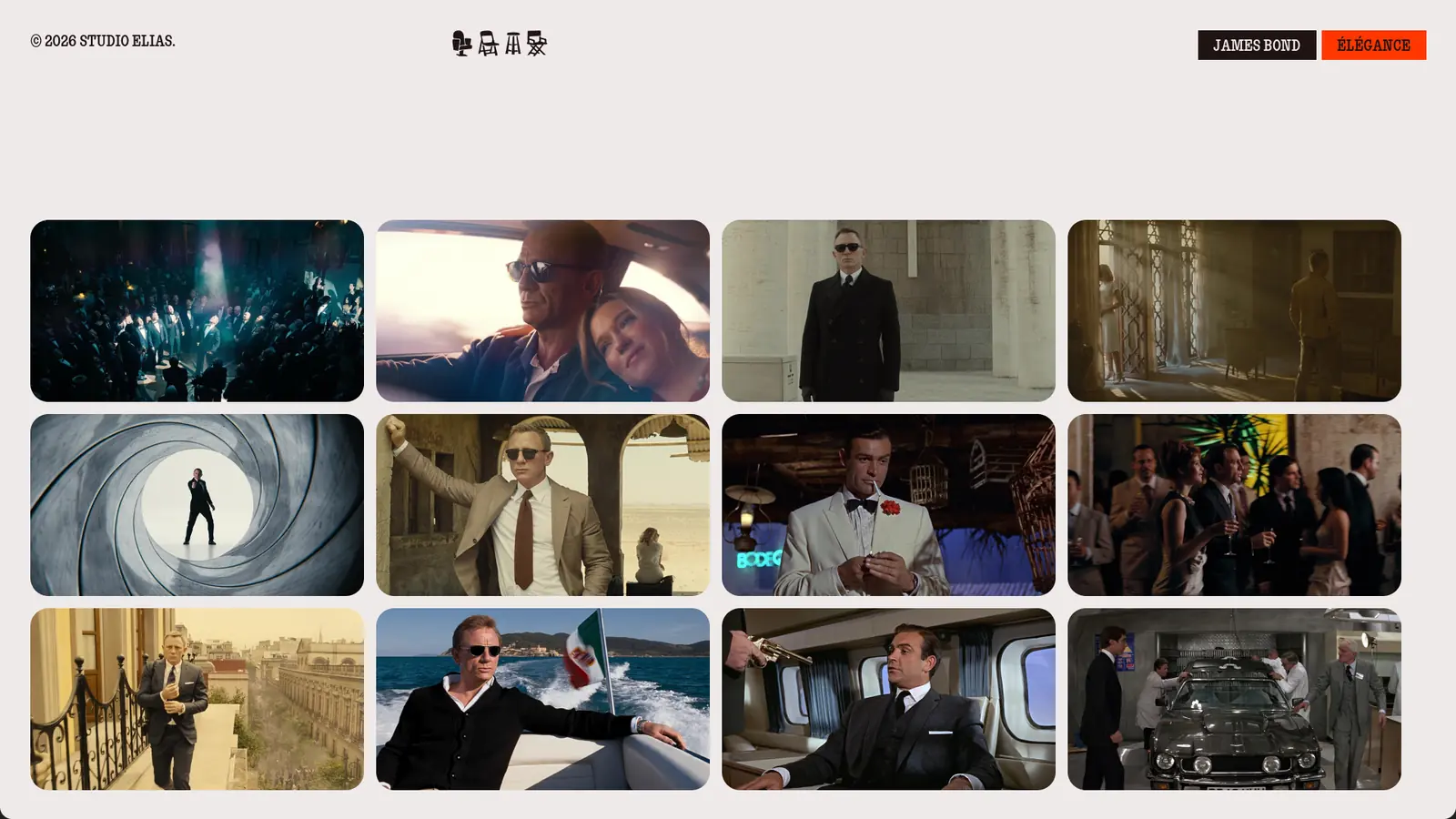
We start with films, and that is specific to our method: a scene shows a complete mood, with its light, its sets and its costumes. For each keyword from the strategy, we show scenes from two or three films that embody it. For Super Capital, "elegance" gave James Bond and Gatsby, "tailor-made" gave The Grand Budapest Hotel. Everyone gives a score, and the gaps get people talking: if the founder gives a 7 and the partner a 4, we have found a topic.
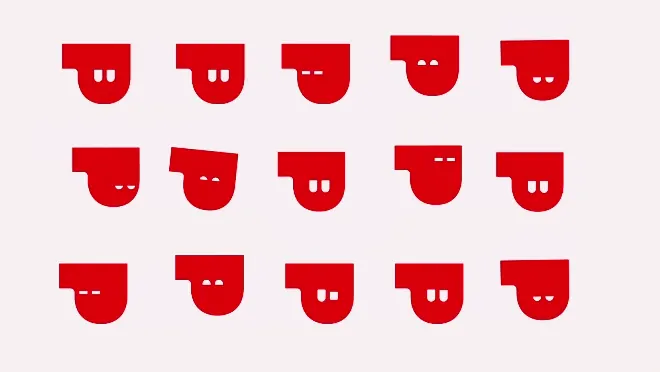
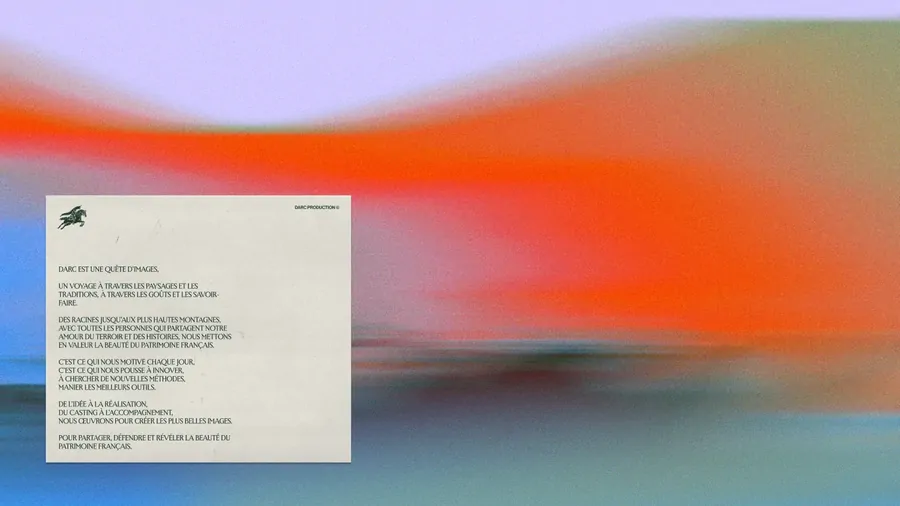
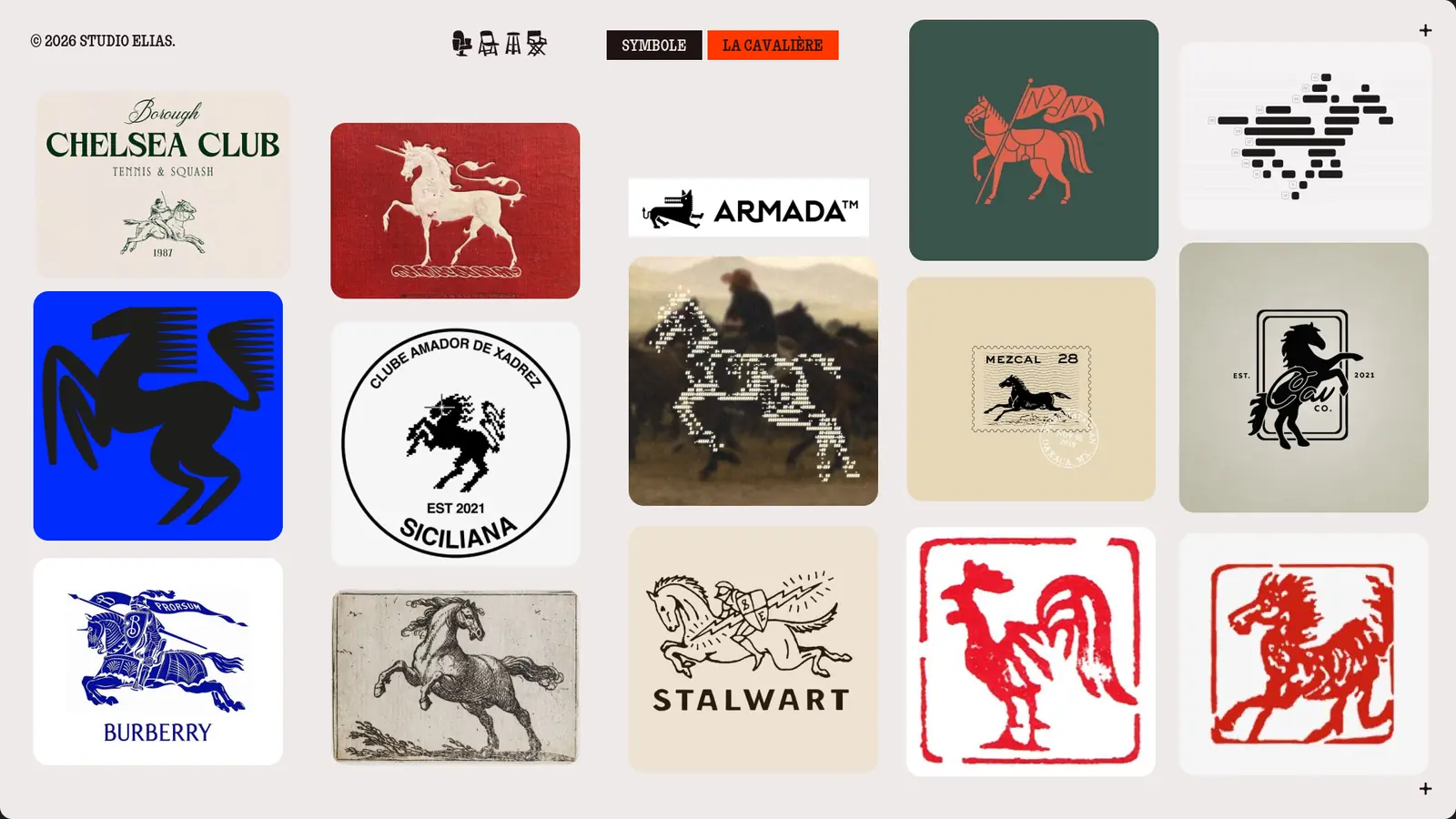
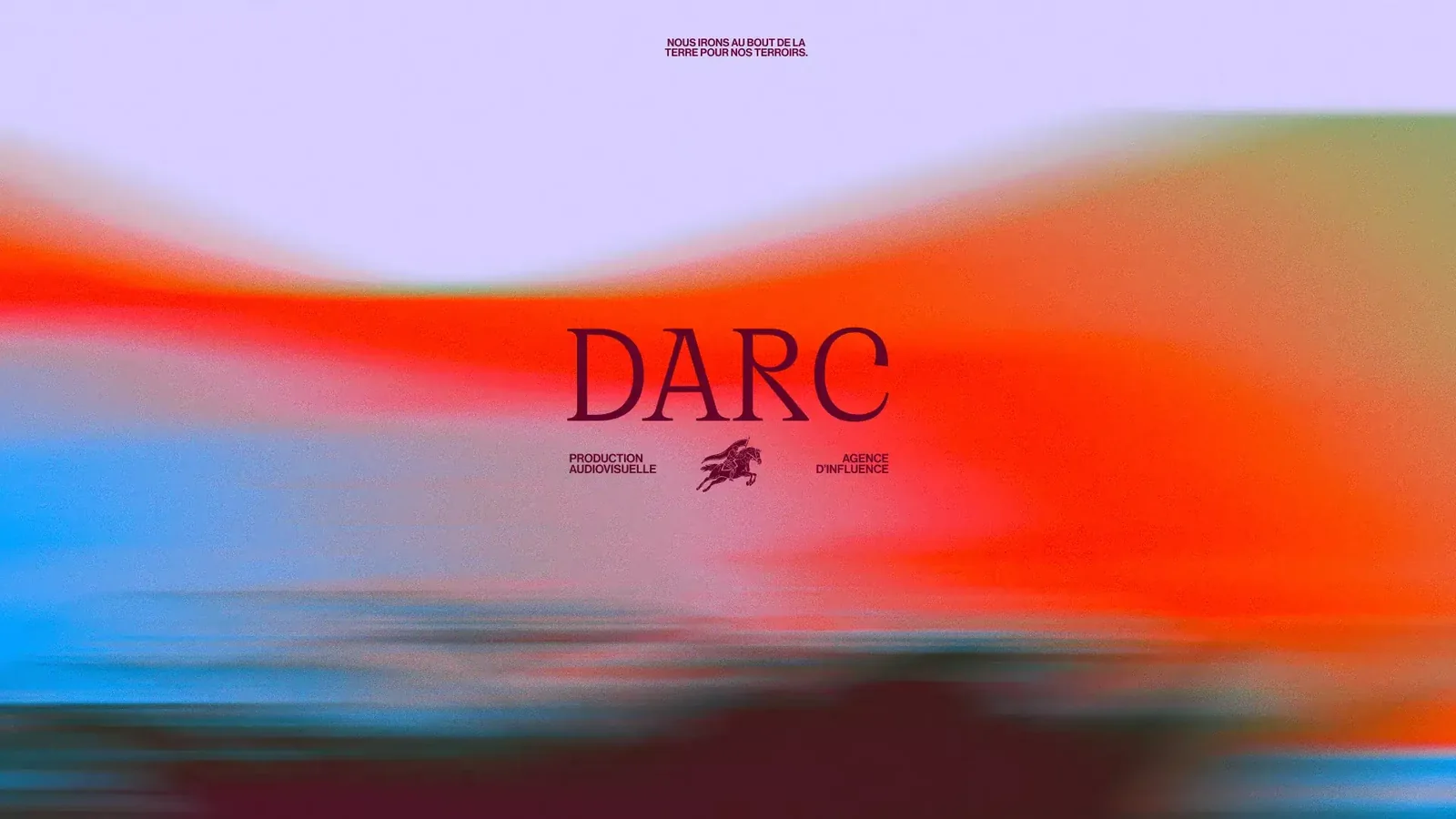
Then we show symbols. The horsewoman, the compass, the spark, the moult, the passport: each board gathers about fifteen ways of drawing the same idea. For Darc, a B2B influence agency, the horsewoman was the one kept.
We finish with existing identities, taken from other sectors, which everyone scores too. The final board keeps only what raised the score of the whole table. It then serves as the base for the visual identity.
{{cta-1}}
The three questions to ask in front of a moodboard
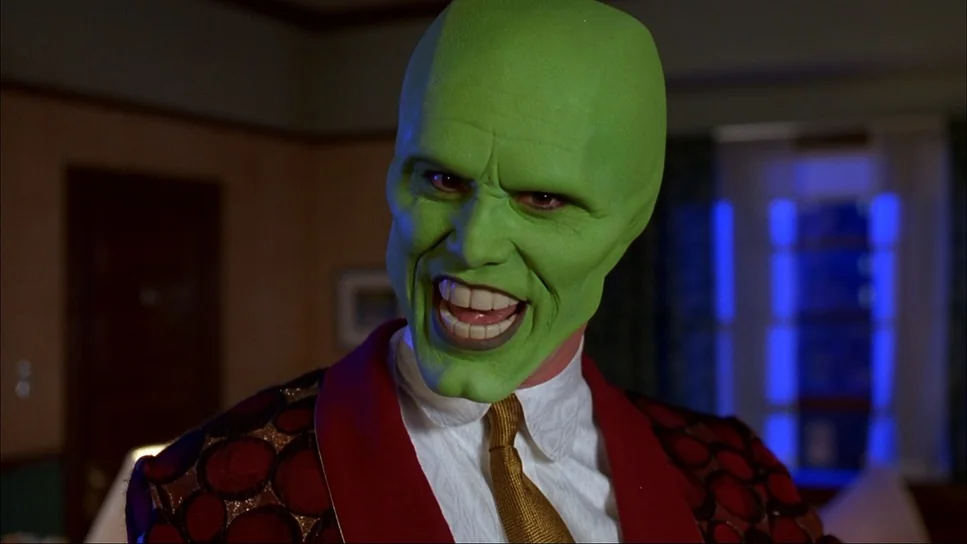
In front of a board, the first reaction often sounds like Jim Carrey in The Mask: "Smokin'!". Nice to hear, but it does not tell you whether the board serves your brand.
So the right questions are not "is it beautiful?", "is it pretty?", "do I like it?". They are: does it serve my brand, can I see myself in it, and is it a world that can make me win tomorrow.
The real answer to those three questions is a single one: is it emotional? Simon Sinek's Golden Circle starts from the same observation: we choose a brand with emotion, then justify the choice with arguments.
Does it stir an emotion in you? Does it match the brand idea? Does it feel like you?
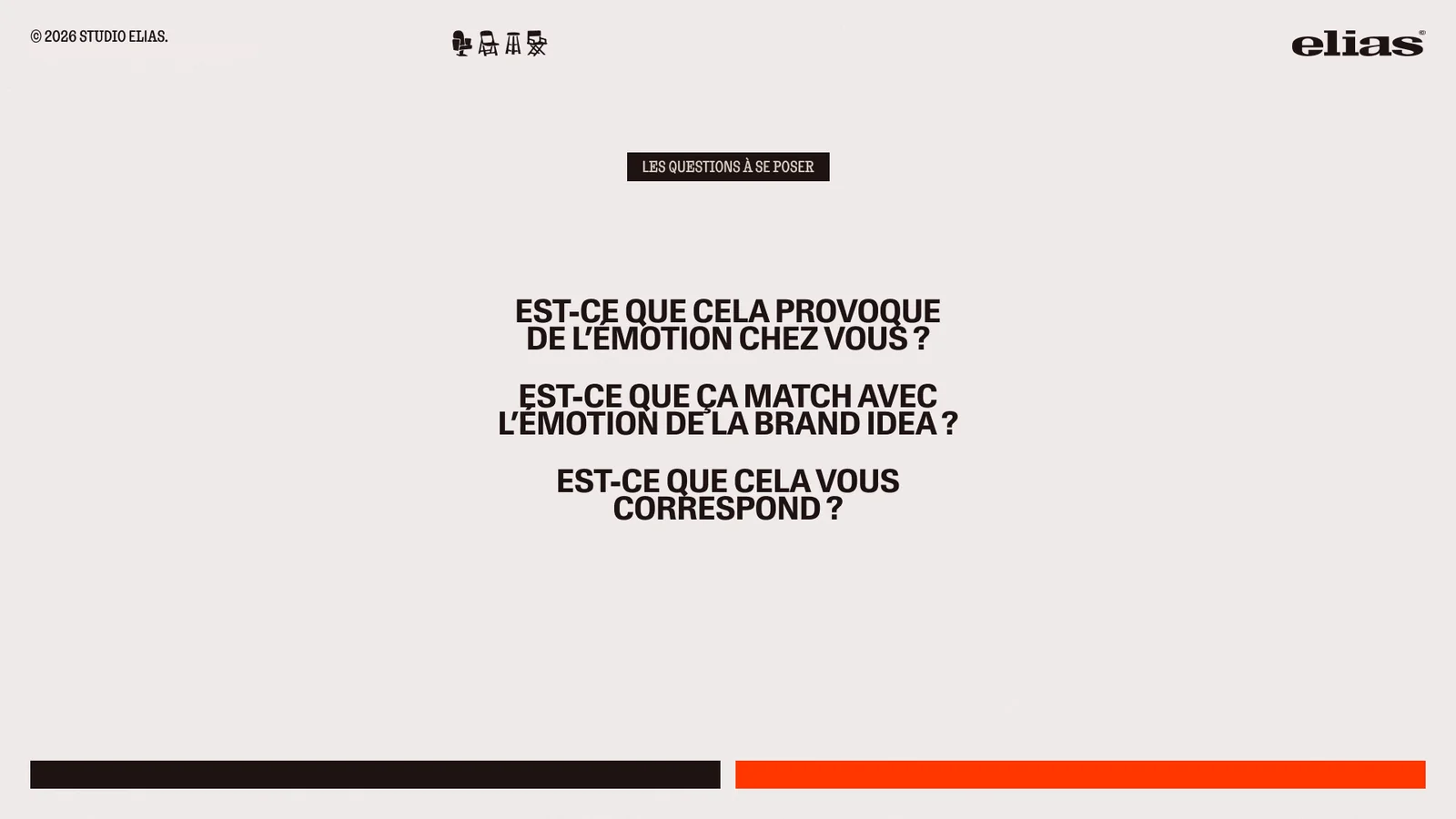
In practice, have everyone score each image from 1 to 10 on these three questions, then discuss the gaps between the scores rather than each person's taste.
Safe or emotional: what the moodboard reveals
Many brands are clean, reassuring, mature. And interchangeable. The moodboard is the first moment where you see whether a brand will stay in that zone or leave it. We rank an identity on three levels: patched together, it makes you lose; clean, it reassures and nobody remembers it; emotional, it makes you win. A board that only contains "clean" references announces a clean brand. As Jacquouille would say in Les Visiteurs: "it's okaaaaay". Except that an "okay" brand makes nobody choose.
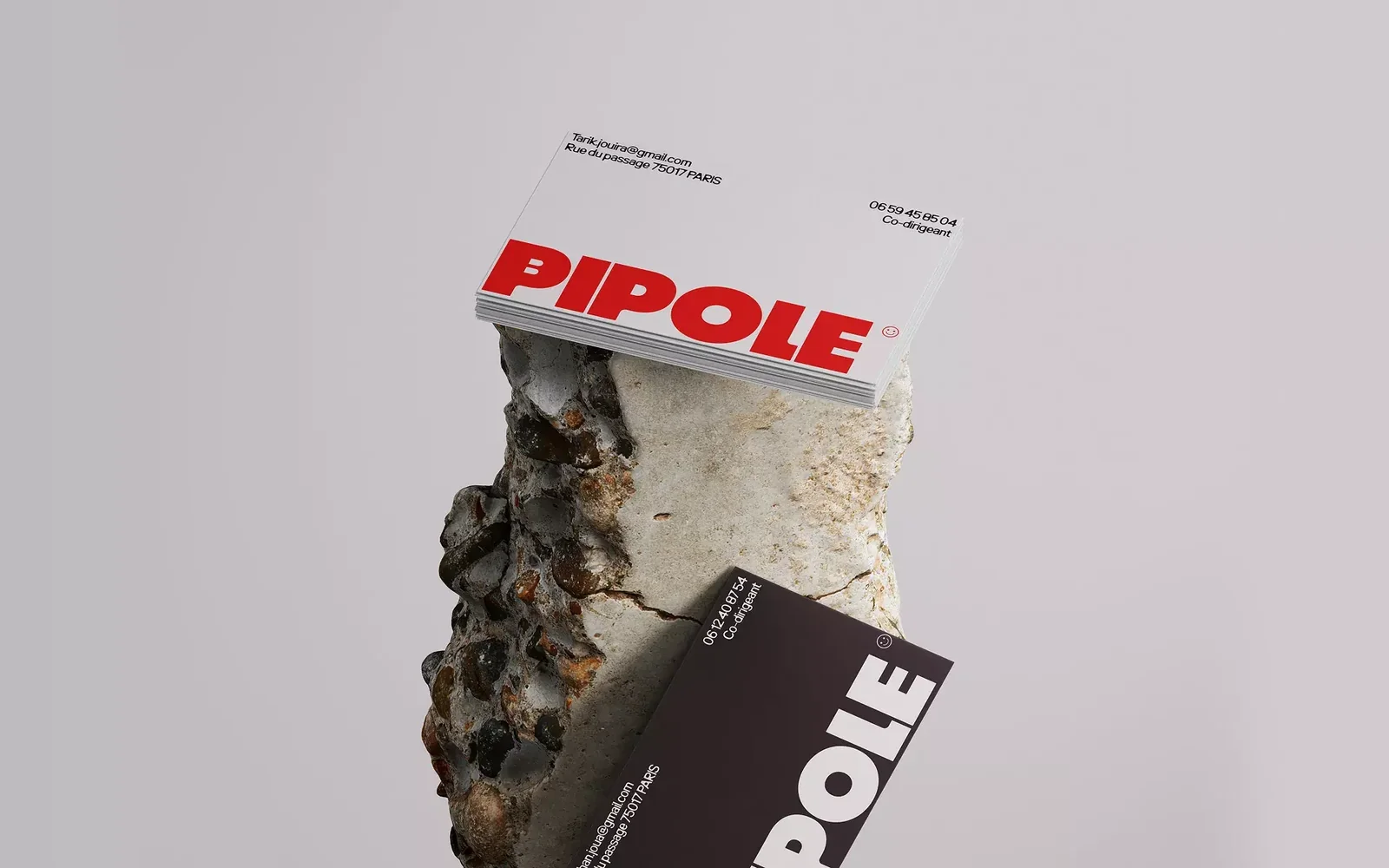
Taking a risk in the moodboard means accepting to be divisive. Pipole, a B2B video production agency, wanted to win large accounts without depending on the big communication agencies, and to get out of the ocean of production companies. Its identity helped it renew contracts with great clients.
Snob Dog, a training organisation for animal-care professions, built its identity around a surf coach who rides the wave of career change. A dog swimming under business cards is not a reference you find on a "reassuring" board.

{{cta-2}}
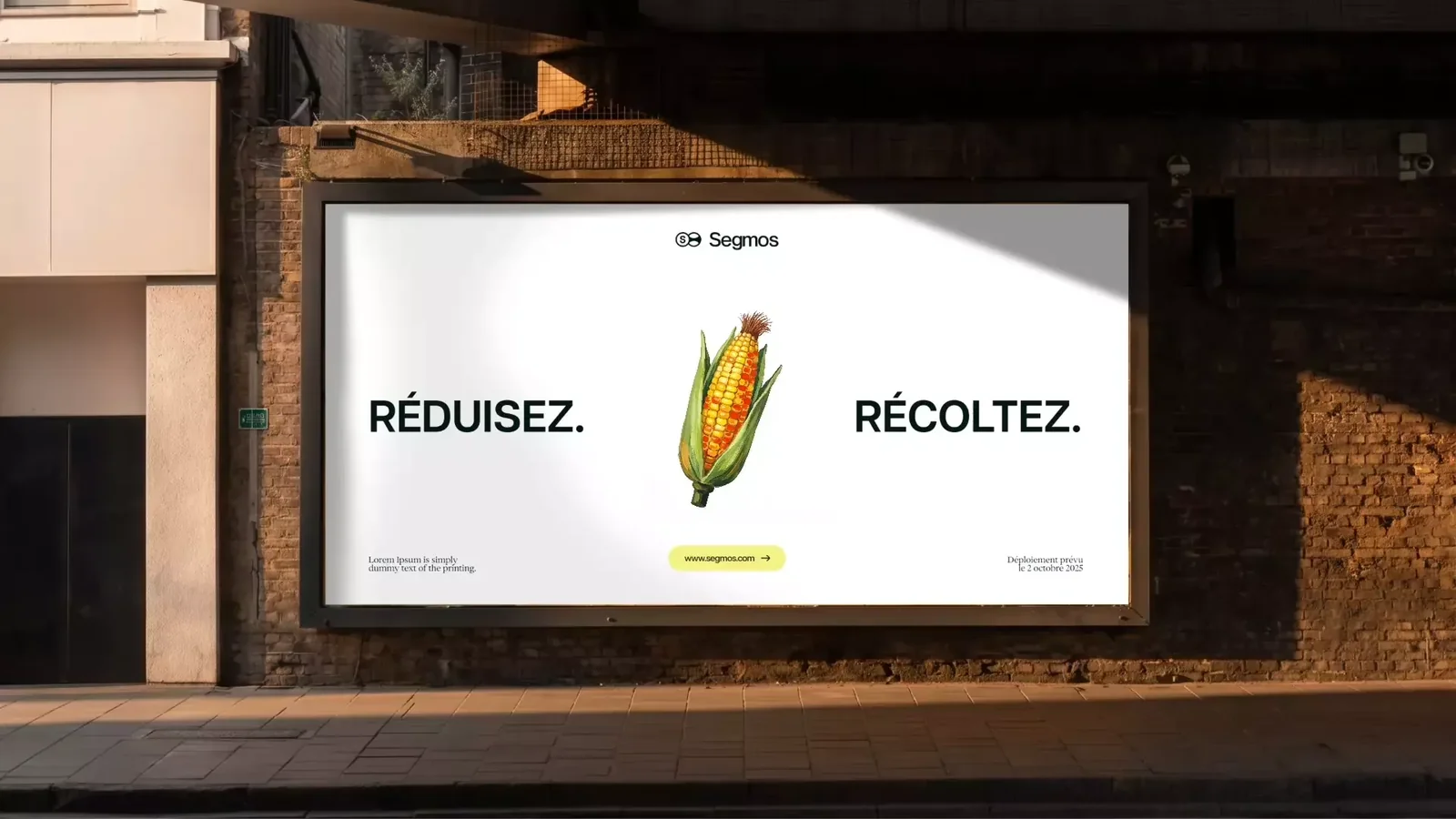
Segmos, a low-carbon trading platform for farmers and large groups alike, could have borrowed the green, well-behaved codes of its sector. We showed low-carbon buying as an opportunity, not a sacrifice, with an identity that breaks away from the codes of this traditional market.
The mistakes that turn a moodboard into a Pinterest board
Most failed moodboards share the same flaw: they collect instead of sorting. Four mistakes come up often:
- Making the board before the strategy: you assemble tastes, and the first disagreement blows it up.
- Keeping an image without knowing what it brings: every reference must answer a word from the strategy, or it goes.
- Copying competitors: a board made of their websites produces a brand that looks like them, so comparable, so negotiated on price.
- Showing only "clean" references: if nothing gets a reaction in the workshop, nothing will get a reaction on the market.
On the other hand, a well-sorted board still shows years later. At Darc, the horsewoman chosen in the workshop now gallops in the middle of the logo, between "production audiovisuelle" and "agence d'influence".
To find references outside your sector, we listed the best websites to find design inspiration. And to see where a good board leads, seven visual identities with commentary.
{{block-cta-2}}
The moodboard is the last step where changing your mind costs nothing
After the moodboard, every creative route, every web page and every piece of material follows the direction it set. Changing the mood later means redrawing the logo, redoing the mock-ups and reprinting. On a website, every Webflow mock-up starts again from scratch.
Before approving a board, check three points:
- every image answers a word from your strategy;
- the board does not look like a competitor's;
- the whole team agrees on what is in the red.
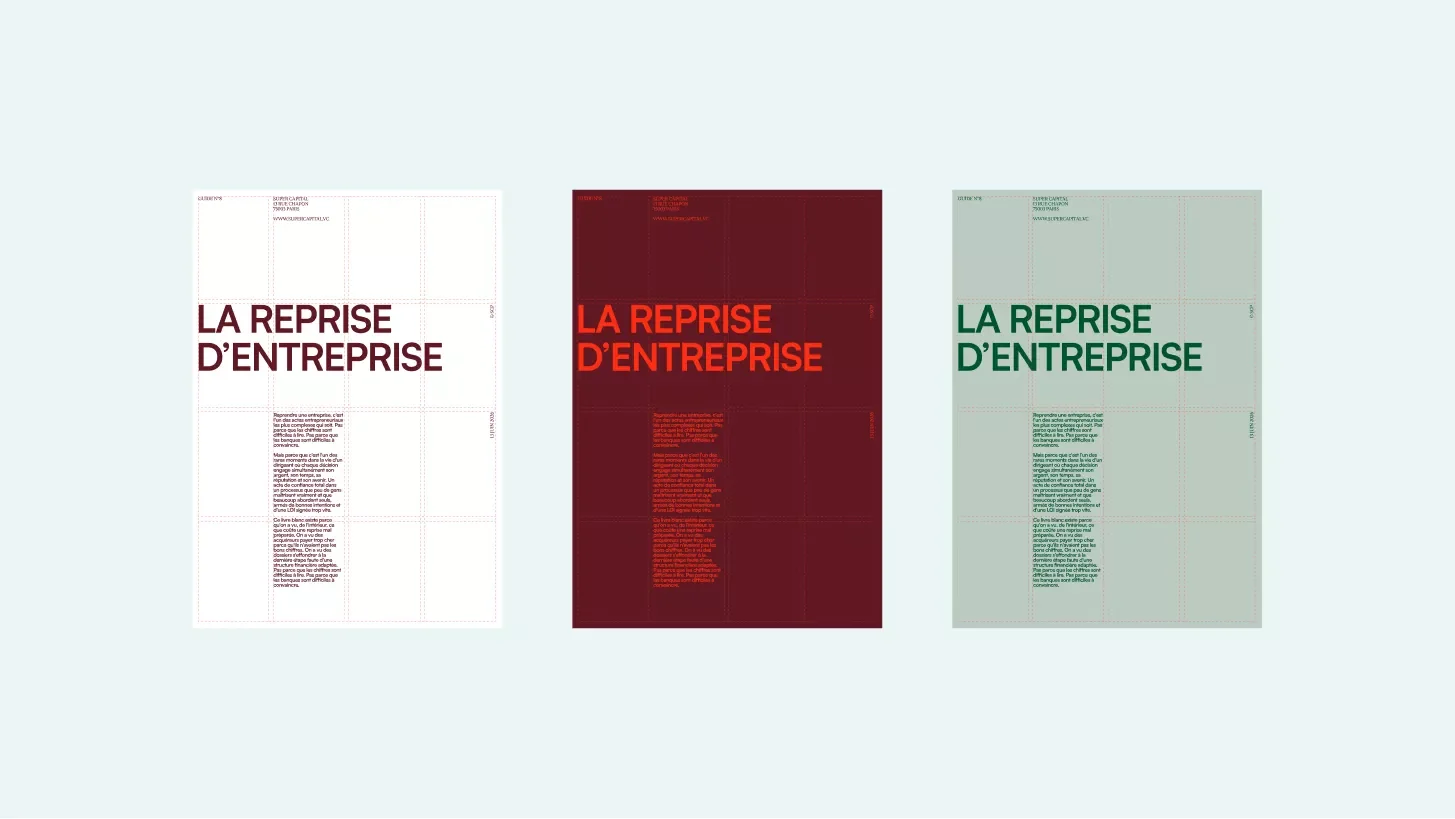
For Super Capital, "elegance" and "tailor-made" were settled in the workshop. That is the line we followed afterwards, from the logo to the white paper on business takeovers.
As long as it is a board, changing your mind means moving an image. After that, every change has a cost. At Studio Elias, we would rather settle things in the workshop than at launch.
{{cta-3}}
Frequently asked questions
What is a moodboard?
A moodboard is a board of images that sets the mood of a brand or a project and gives the direction of its identity: photos, colours, materials, typefaces and words. It fixes nothing final. Its job is to get the founder, the teams and the agency to agree on a direction before the slightest logo is drawn.
How do you make a moodboard?
Start from the words of your brand strategy and look for images outside your sector for each one: photos, symbols, existing identities. Have the team score each image and keep the ones that raise everyone's score. For the others, there is only one answer, Gandalf's: "You shall not pass".
When should you make a moodboard in a brand project?
After the positioning and before the creative routes. Too early, the board rests on personal taste and does not survive the first disagreement. Too late, the logos are already drawn and it no longer decides anything. At the right moment, it saves time because the creative routes start from validated ground.
Which tools can you use to create a moodboard?
Pinterest is enough to collect images, Milanote or Canva to organise them. At Studio Elias, the workshop runs in Figma: one page per keyword, one board per film or symbol, and each participant's scores written alongside. The tool matters less than the sorting: a board of fifty images with no criterion is still just an inspiration board.
Moodboard or trend board: what is the difference?
A trend board follows what is being done this year in a sector, and it ages with the season. A moodboard sets the mood specific to one brand, based on its strategy, and it has to last several years. The first brings you closer to other brands, the second moves you away from them: that is the whole point.