
Elias, Branding Studio, webflow partner

The best websites to find your design inspiration

Your brand, our focus
Branding
resources
/
Branding
/
The best websites to find your design inspiration
02/05/2025
12
Min

Some days, everything just clicks: ideas flow, fonts align effortlessly, and even your color palette seems to applaud you. And then… there are the other days. The ones where you stare at your screen as if a miracle is about to fall from the sky.

At Studio Elias, we have our little routine when our design mojo goes missing: we dive into the most creative corners of the web. Well-crafted portfolios, polished interfaces, wild (but brilliant) concepts: some websites are true goldmines for visual inspiration.

So, we've put together a carefully curated selection of the best websites to find your design inspiration in 2025. Whether you're in the middle of branding, UX, motion, or revamping your portfolio site.

We promise, after this, your blank screen won't look so daunting anymore.

Why is inspiration essential for designers?

When we talk about design, we often think of technique, rigor, composition rules, or UX. And it's true, a large part of it is methodical.

But what we sometimes forget is that design is also (and above all) about perspective. A good designer isn't just someone who knows how to "make things pretty"; it's someone who sees what others don't yet see. And for that, you need to constantly expose yourself to the best work out there.

Inspiration isn't copying

Let's get one thing straight: no, being inspired doesn't mean "stealing" or "plagiarizing" ideas. It's about observing, understanding the mechanics, analyzing what works and why, and then creating something new, in your own way.

It's a bit like a chef tasting other dishes to enrich their own cooking, without ever copying a recipe exactly.

Inspiration fuels your creativity

When you regularly expose yourself to different designs and approaches you weren't familiar with, your brain starts working. It connects ideas, building bridges between things you wouldn't have otherwise associated.
And that's often where the best ideas are born : in that mix of what you see, what you know how to do, and what you feel.

It helps you progress (even without realizing it)

The more good designs you see, the more you sharpen your eye. You spot what works faster, you better understand visual hierarchy, and you gain a finer appreciation for details.
It's a kind of passive training, but incredibly effective.

To delve deeper into current web design principles, check out our article on the essential web design trends for 2025.

It gets you out of your bubble

When you're working on a project for days, you sometimes get tunnel vision. Seeking inspiration elsewhere helps you gain perspective, see how others have approached the same subject, or conversely, let yourself be surprised by things completely opposite to your own world.

This is exactly our approach in our article on The best web designs of 2025 : we break down what's making the web buzz this year.

It helps you make your case to your client

A good visual argument is sometimes worth a thousand words. Showing a client concrete examples can help them understand a creative direction, validate a style, or avoid going off-topic.
Inspiration is also a teaching tool in your client relationship.

Our selection of the top design inspiration sites

Want to upgrade your next project, enrich your mood board, or simply marvel at beautiful ideas? Here's our 2025 selection of essential sites for inspiration: tested, approved, and used (almost) daily by the Studio Elias team.

{{block-cta-1}}

Web Design & UI/UX: Sites to make your portfolio shine

Awwwards

awwwards.com
A true classic. This site showcases the world's best web designs. Interactive experiences, polished micro-interactions, fluid animations… it's an ongoing masterclass. 👉 Discover our complete Awwwards guide.
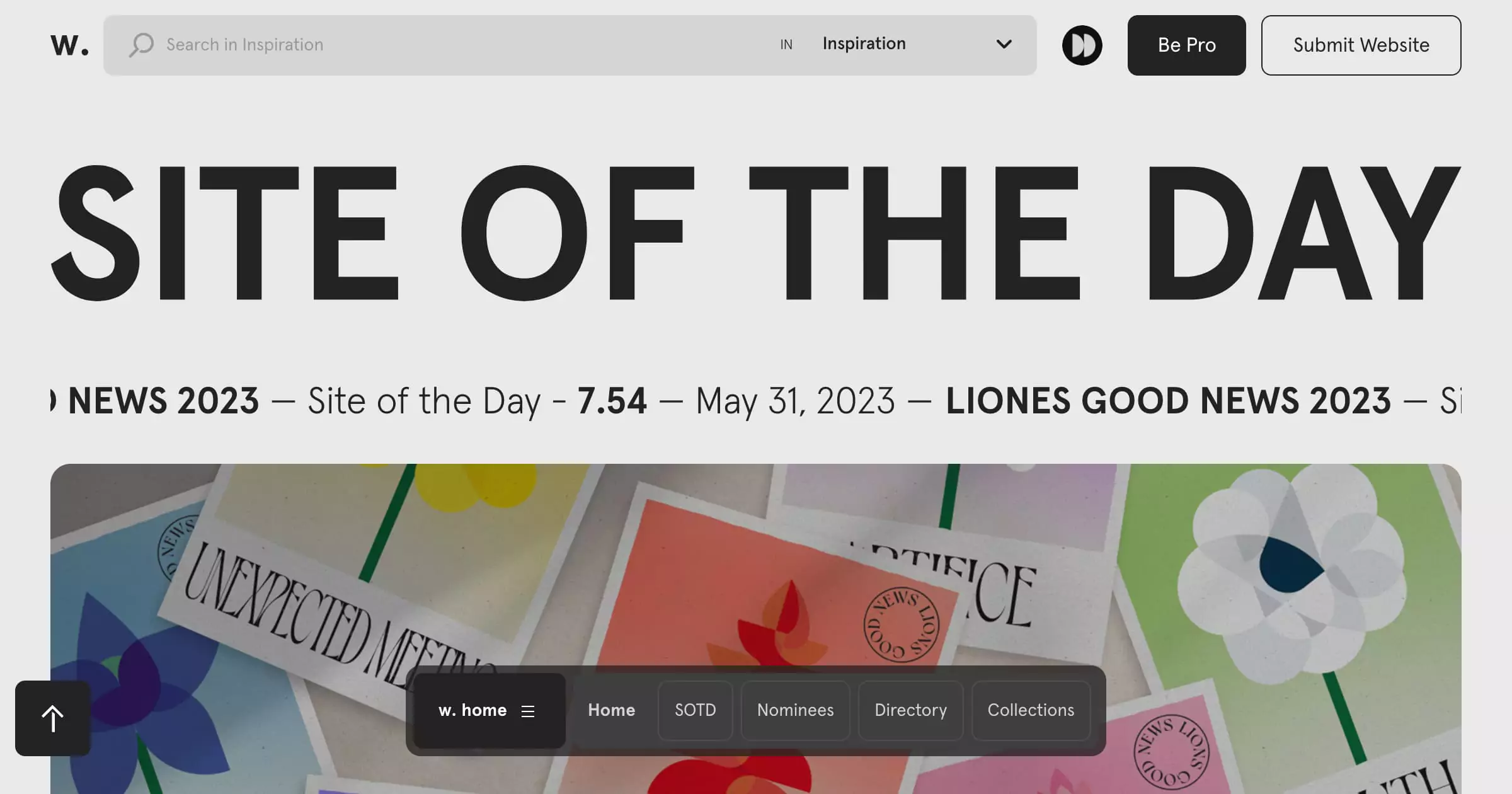
Awwwards - Site of the Day

{{cta-1}}

SiteInspirE

siteinspire.com
Perfect for exploring by style, type, or platform. Minimalist, portfolio, e-commerce… you'll find everything, carefully curated.

Land-book


land-book.com
A treasure trove of landing pages. A great resource to boost your conversion pages and avoid common designs.
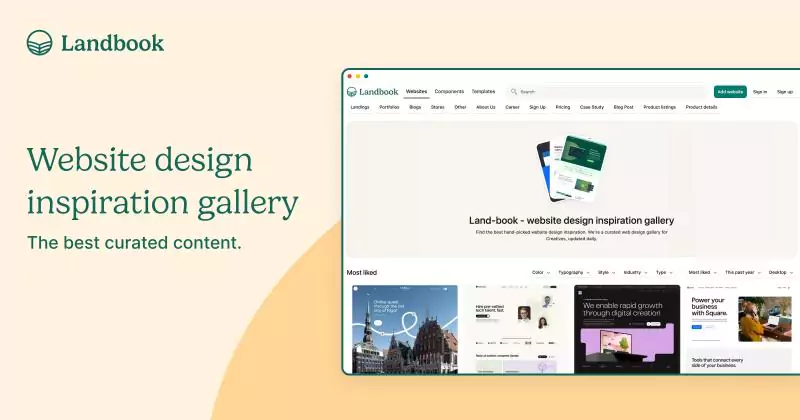
Landbook

Collect UI


collectui.com
A collection of UI interfaces categorized by theme (login, dashboard, e-commerce, etc.). Perfect when you need a quick visual boost.

One Page Love


onepagelove.com
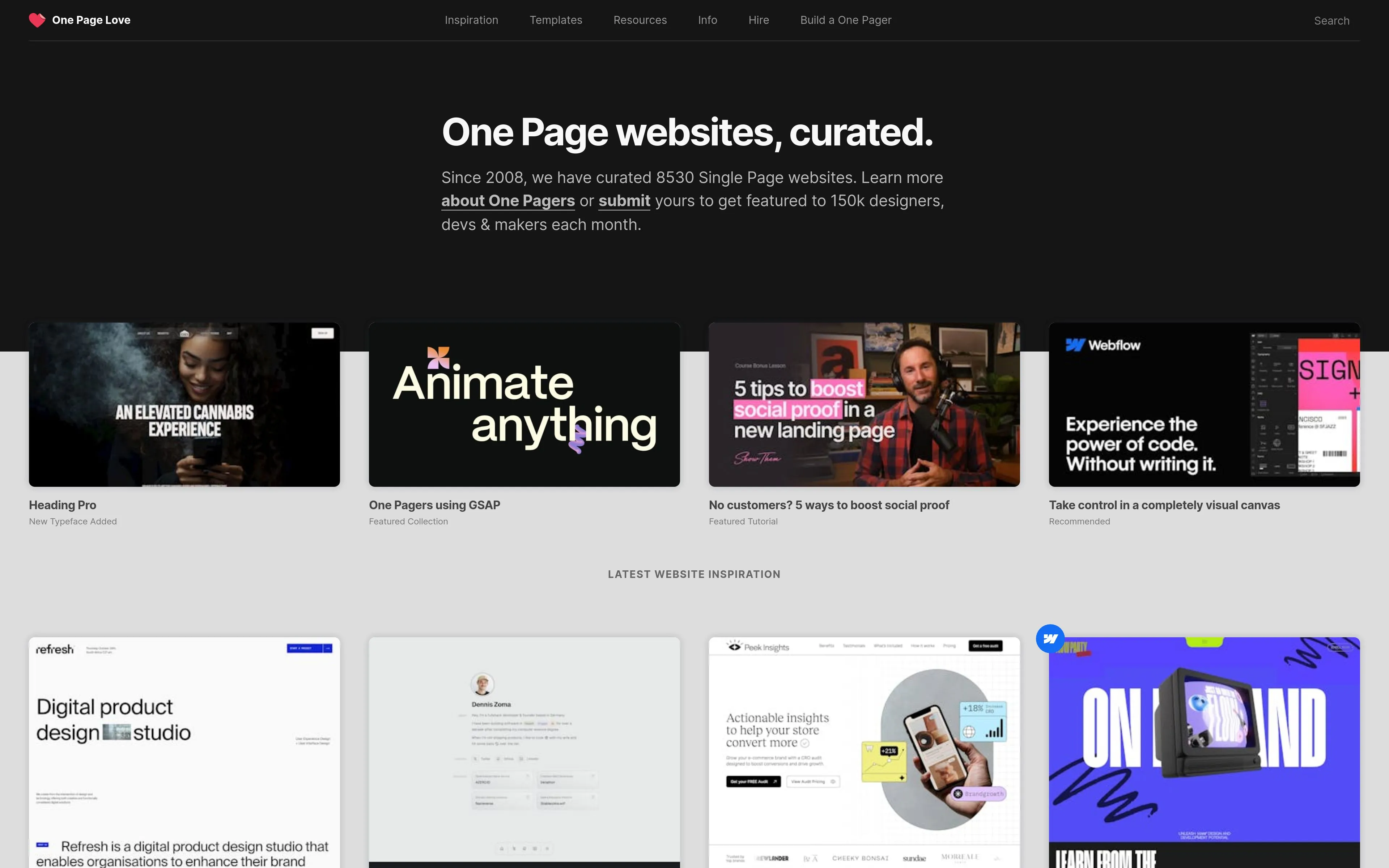
It's all in the name: if you're working on a one-page website, you'll love this ultra-targeted selection.
Mobile & App Design: for UX fans at their fingertips

Mobbin


mobbin.com
Want to see how Airbnb, Revolut, or Notion designed their apps? Mobbin gathers thousands of UX screenshots categorized by flow, interface, or use case.

Pttrns


pttrns.com
A vast directory of mobile interface patterns. It's clear, well-organized, and you can filter according to your needs.

UXArchive


uxarchive.com
Rather than isolated screenshots, here we study complete user journeys. Perfect for structuring coherent navigation.

Graphic Design & Visual Identity: to spark your artistic side

A brand's visual identity is built on solid foundations. If you're working on a branding project, our brand guidelines service can help you formalize these inspirations.

Behance


behance.net
One of the largest networks for creative portfolios. Branding, typography, editorial design... you'll find complete, very well-presented projects.
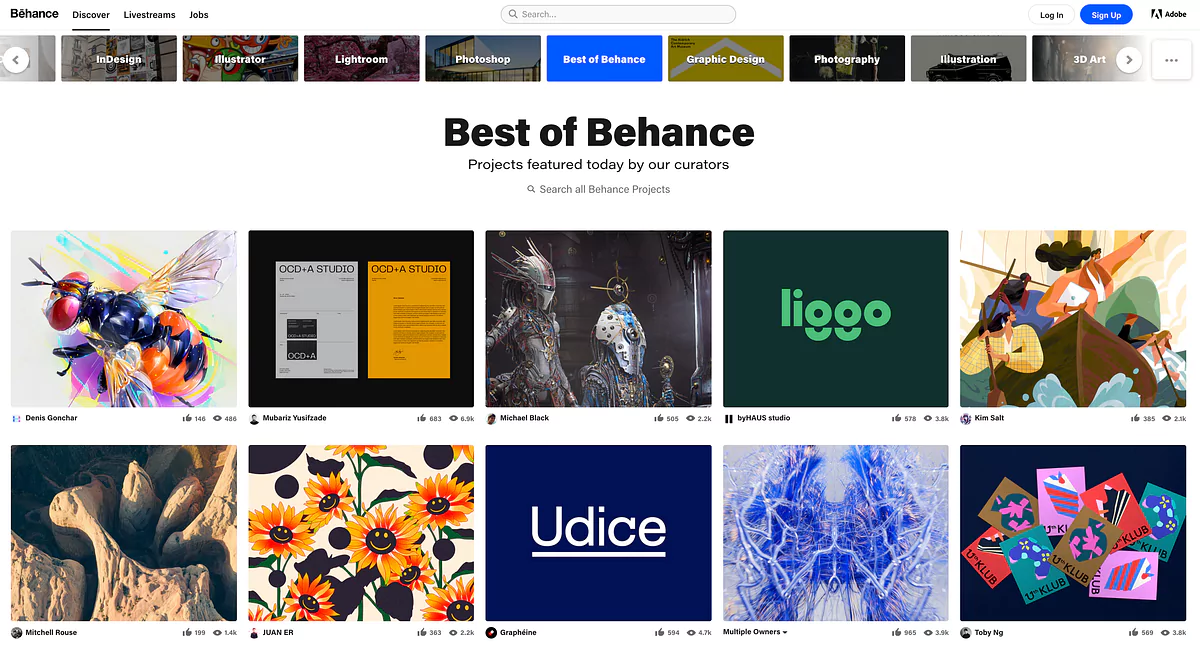
Best of Behance

Dribbble


dribbble.com
More focused on micro-details and impactful visuals. Perfect for honing your eye, especially for color, composition, and animations.

Logoinspirations


logoinspirations.co
A database of creative logos categorized by themes. Very useful during the visual identity creation phase.

Pinterest


pinterest.fr
The good old inspiration board. Handy for quickly assembling a moodboard and exploring various aesthetics.
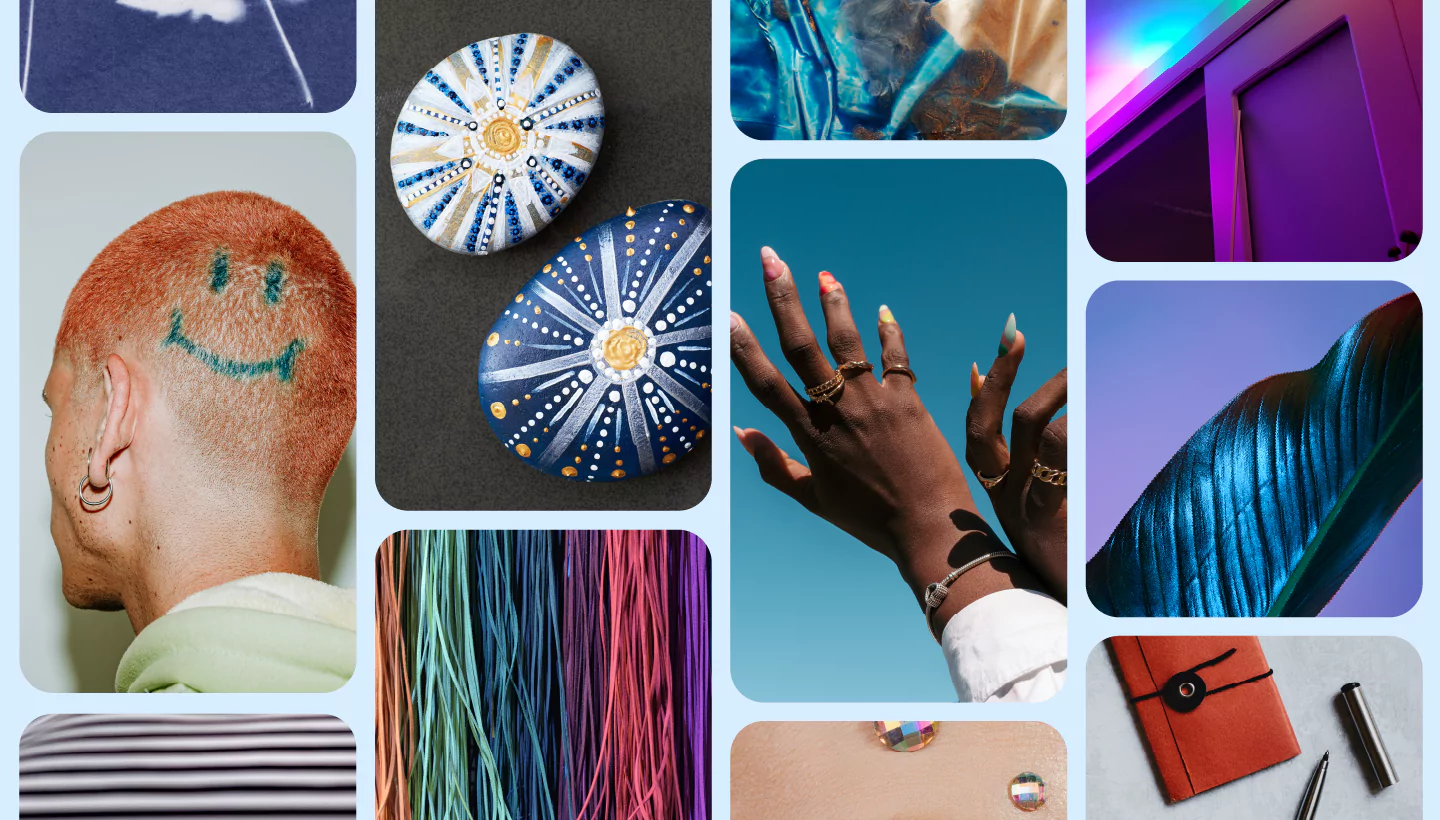
Pinterest feed

Stay updated & continuously inspired: to always stay in the game

Muzli


muz.li
A Chrome extension that delivers a daily dose of inspiration. A habit to adopt to start your day right.

Designspiration


designspiration.com
Search by color, keyword, or theme. It's clean, well-organized, and very effective for building a visual mood.
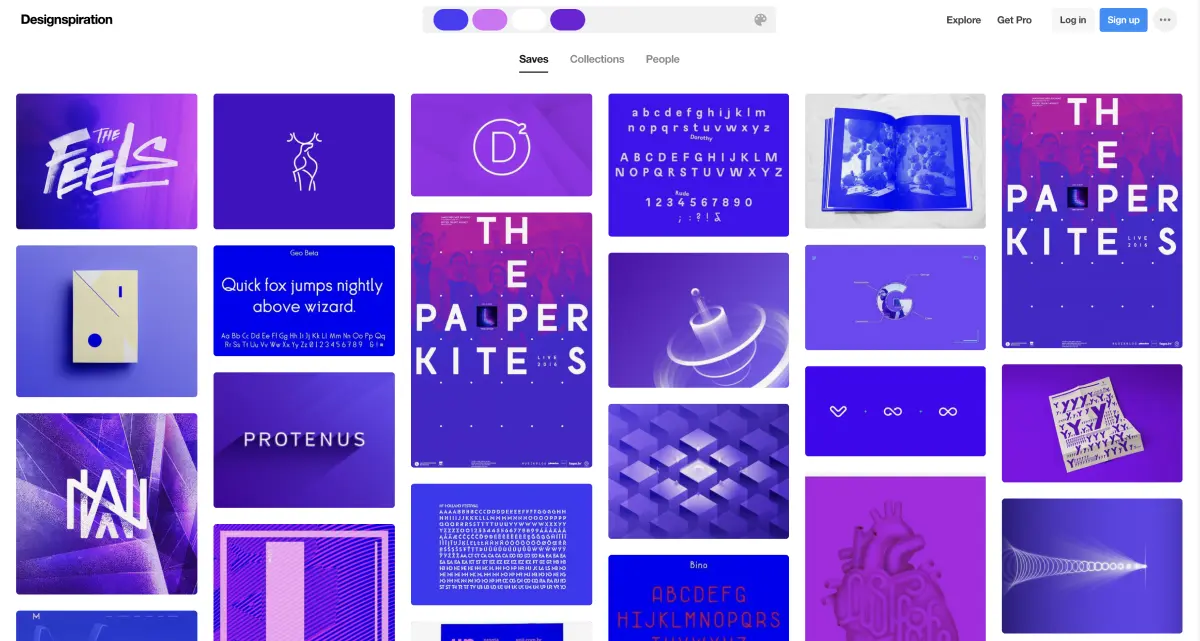
Designspiration Search

Instagram


instagram.com
By following the right designers and studios, you'll turn your feed into a continuous source of inspiration.

Lapa Ninja


lapa.ninja
Hundreds of hand-picked landing pages. Ideal when you're looking to work on structure, animations, or calls to action.

How to effectively use these platforms?

Let's be honest: after hours of scrolling, inspiration can quickly turn into creative paralysis. You open 14 tabs, pin 300 references, and in the end... you no longer remember what you were looking for. So, to avoid visual overload, here are some best practices to adopt.

1. Search with a clear goal

Before diving into Behance or Awwwards, ask yourself: what exactly am I looking for?
A visual mood? A mobile menu example? A CTA animation?
The more precise your intention, the faster you'll find what truly resonates with you. If you're building a brand universe, start by defining your brand platform : this will guide all your visual decisions.

2. Gather your findings

Don't let your favorite finds disappear into the depths of your browsing history. Use tools like:

  • Notion or Milanote to organize visual boards by project
  • Pinterest to create themed boards
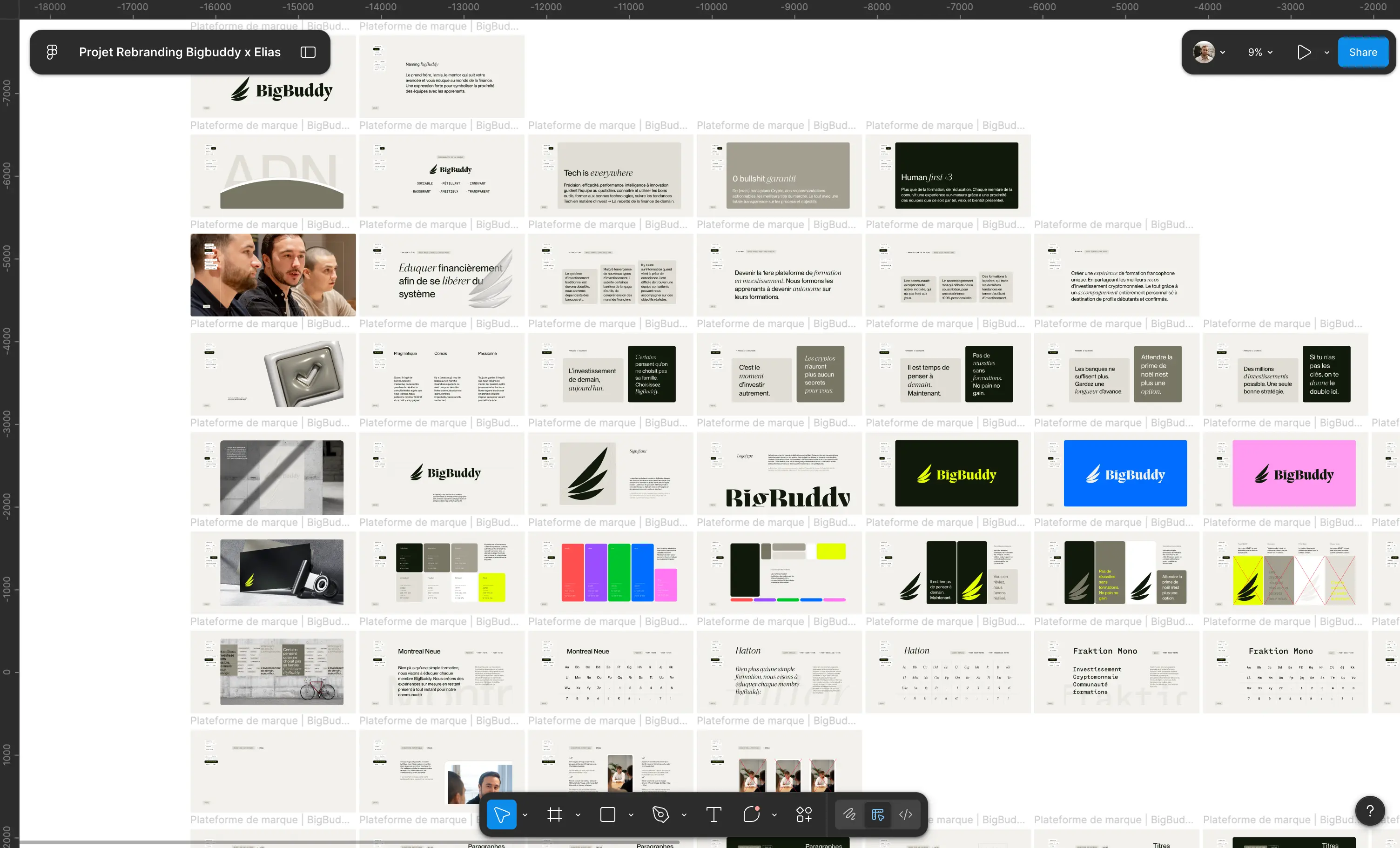
  • Figma to directly integrate your screenshots and annotate them

A well-structured moodboard will save you a tremendous amount of time during the creation phase.

3. Analyze what you see

Don't just settle for "it's pretty." Ask yourself the right questions:
Why does it work? What catches the eye? What is the information hierarchy? How are the elements animated or spaced?
This analytical approach transforms passive inspiration into active learning.

4. Contextualize your inspiration

What you see might work really well… for a banking app. But is it suitable for a yoga studio website?
Every design needs to be recontextualized according to your project, your client, and your target audience. Inspiration, yes. Copy-pasting, no.

This is where the brand strategy comes in: it sets the framework for inspiration to remain consistent.

Contextualizing also involves a good understanding of your sector: for example, discover the 30 best agency websites in 2025 to draw relevant inspiration from.

5. Stay regularly updated

You don't have to search for everything at the last minute. Adopt an inspiration routine: 10 minutes a day or one session a week to discover new things, save what catches your eye, and stay connected to trends.

Bonus: Our favorite tools at Studio Elias

Finding inspiration is good. Channeling it is better. At Studio Elias, we have a few go-to tools to capture our ideas, structure our references, and transform inspiration into concrete creations. Here are the ones we use daily (and recommend wholeheartedly).

Figma (of course)

Our creative HQ. This is where we prepare our mockups, mood boards, 87th versions of the same button... and integrate our visual inspirations.
Bonus tip: plugins like Unsplash, Iconify, or Blush to enrich our explorations without leaving the interface.
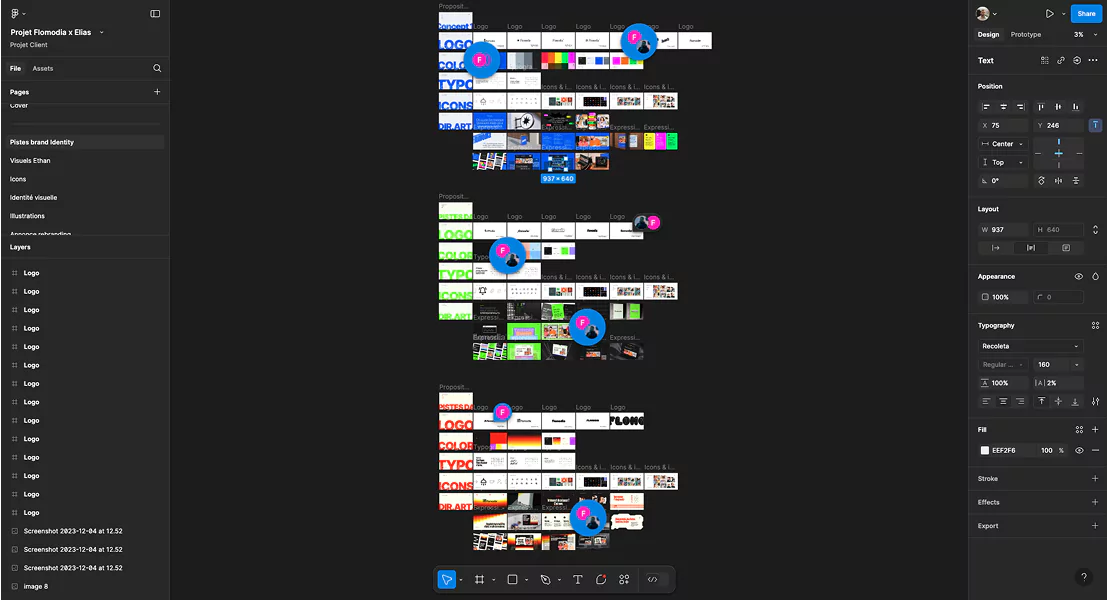
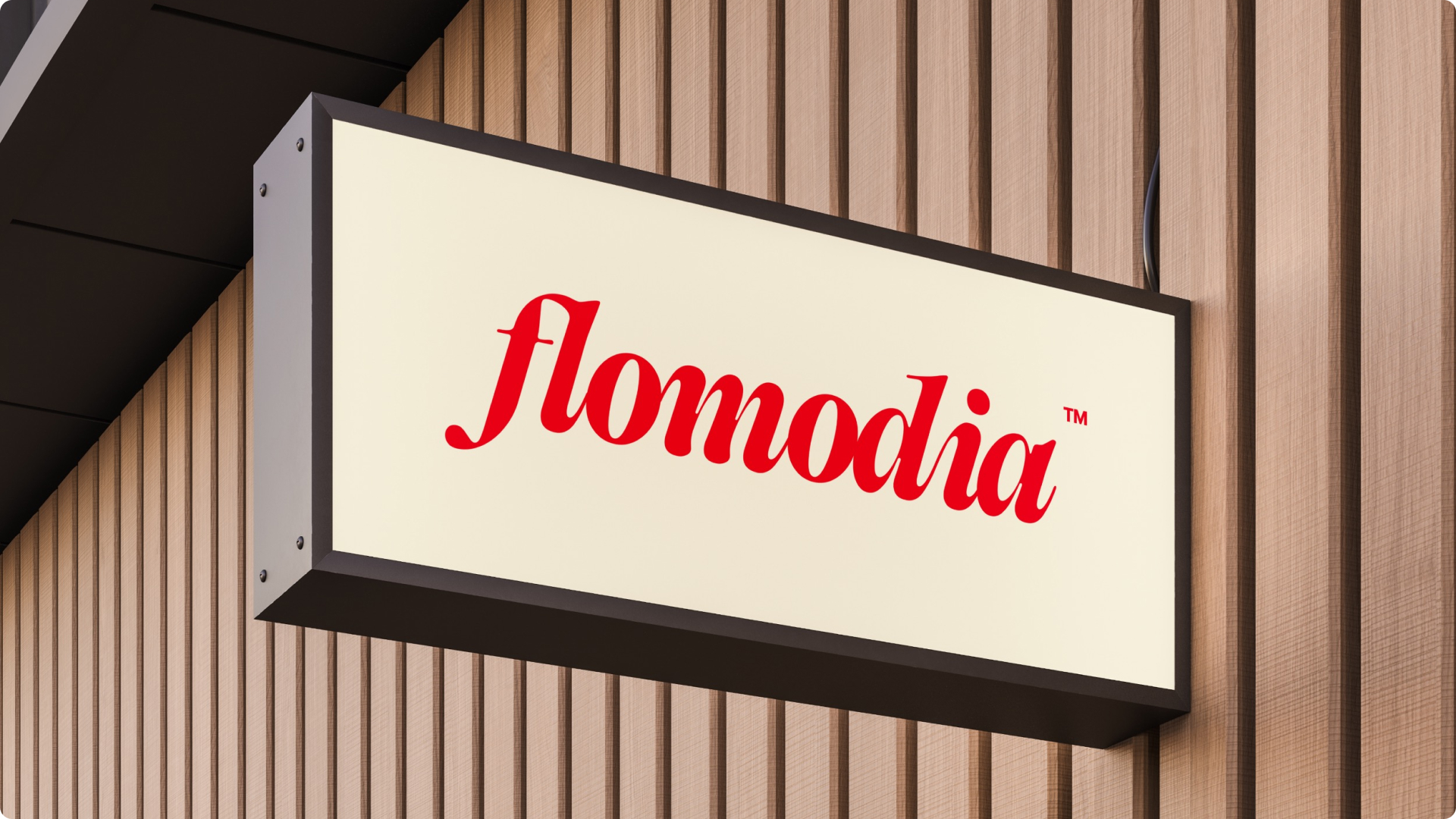
Brand Identity concepts for Flomodia, by Studio Elias

{{cta-3}}

{{block-cta-2}}

Notion

To centralize our research, store inspiration links, categorize our projects, and record client feedback.
It's like our second brain: everything is organized, accessible, and shareable with the team (and sometimes with clients).

Pinterest

Yes, we know. Good old Pinterest is still a reliable choice for quickly building a visual mood board.
Handy when looking to define an atmosphere, an artistic direction, or a photo style at the start of a project.

Webflow

Let's be honest: we also use it to explore the best of what's out there.
With the Webflow Showcase or community-created projects, we always keep an eye on the latest no-code design gems.

We don't use all these tools at once, but they support us depending on the project's needs.

The real secret? It's not the tool, it's what you do with it. And in our Webflow agency Studio Elias, we use them to transform great ideas into strong and cohesive identities.

{{cta-2}}

Conclusion

Inspiration is a bit like a good playlist: you need to refresh it regularly, but also know where to find it.
With the right tools and platforms, you can fuel your creativity, think outside the box, and give your projects that little extra something that makes all the difference.

At Studio Elias, we don't believe in ideas that just appear. We believe in curiosity, in continuous observation, and in designers' ability to capture beauty and transform it.

So whether you're in the middle of a website redesign, logo creation, or campaign mood board, keep this article handy: it will quickly become your visual dashboard.

And if inspiration is no longer enough, if you want to go further, build a real brand identity, or rethink your entire digital world: we're here to help you.

Elias, Branding Studio, webflow partner

Brand Strategy
Brand Identity
Brand Experience
Naming
Copywriting
Brand Idea
Logo
Photography
Illustration
3D & Motion
SEO
Website
Webflow
Custom Animation
Maintenance
Webdesgin

We are brand creators. We transform projects into a strong, online brand.

It's time to turn your project into a brand

Brand Strategy
Brand Identity
Brand Experience
Brand Strategy
Brand Identity
Brand Experience

The best websites to find your design inspiration

Ressources
/
Branding
/
The best websites to find your design inspiration
Updated on
17/5/2026
Auteur
Clément
Expert Brand & Web @ Elias
0
1
2
3
4
5
6
7
8
9
0
1
2
3
4
5
6
7
8
9
%

The main thing to remember

Effective inspiration is more than just 'finding pretty visuals': it's about building structured creative intelligence that can broaden perspectives and fuel your ideas. This article highlights the essential platforms and the right way to use them.

  • Inspiration is a catalyst for creativity: it broadens your visual scope, helps identify strong design codes or unexpected aesthetics, and fuels your own thinking.
  • But be careful: inspiration is not to be confused with copy-pasting. It's about analyzing what works – visual hierarchy, typography, rhythm, user patterns – and then adapting it to your context.
  • Structure your creative monitoring: dedicate regular time to it, categorize, save, and comment on what resonates with you (in a tool like Figma, Notion, or your moodboard).
  • Use and cross-reference multiple platforms (e.g., creative portfolios, website showcases, UI/UX galleries) to vary styles, industries, and media; this helps avoid redundancy and capture relevant trends.
  • Finally, transform inspiration into design action: what you've identified should be translated into your identity, your assets, your brand universe, not just into a 'pretty pictures' folder.

Mastering your inspiration means building a solid reservoir of ideas, using it with discernment, and structuring the transition from 'I like that' to 'I make it my own'.

Some days, everything just clicks: ideas flow, fonts align effortlessly, and even your color palette seems to applaud you. And then… there are the other days. The ones where you stare at your screen as if a miracle is about to fall from the sky.

At Studio Elias, we have our little routine when our design mojo goes missing: we dive into the most creative corners of the web. Well-crafted portfolios, polished interfaces, wild (but brilliant) concepts: some websites are true goldmines for visual inspiration.

So, we've put together a carefully curated selection of the best websites to find your design inspiration in 2025. Whether you're in the middle of branding, UX, motion, or revamping your portfolio site.


We promise, after this, your blank screen won't look so daunting anymore.

Why is inspiration essential for designers?

When we talk about design, we often think of technique, rigor, composition rules, or UX. And it's true, a large part of it is methodical.

But what we sometimes forget is that design is also (and above all) about perspective. A good designer isn't just someone who knows how to "make things pretty"; it's someone who sees what others don't yet see. And for that, you need to constantly expose yourself to the best work out there.

Inspiration isn't copying

Let's get one thing straight: no, being inspired doesn't mean "stealing" or "plagiarizing" ideas. It's about observing, understanding the mechanics, analyzing what works and why, and then creating something new, in your own way.

It's a bit like a chef tasting other dishes to enrich their own cooking, without ever copying a recipe exactly.

Inspiration fuels your creativity

When you regularly expose yourself to different designs and approaches you weren't familiar with, your brain starts working. It connects ideas, building bridges between things you wouldn't have otherwise associated.
And that's often where the best ideas are born : in that mix of what you see, what you know how to do, and what you feel.

It helps you progress (even without realizing it)

The more good designs you see, the more you sharpen your eye. You spot what works faster, you better understand visual hierarchy, and you gain a finer appreciation for details.
It's a kind of passive training, but incredibly effective.

To delve deeper into current web design principles, check out our article on the essential web design trends for 2025.

It gets you out of your bubble

When you're working on a project for days, you sometimes get tunnel vision. Seeking inspiration elsewhere helps you gain perspective, see how others have approached the same subject, or conversely, let yourself be surprised by things completely opposite to your own world.

This is exactly our approach in our article on The best web designs of 2025 : we break down what's making the web buzz this year.

It helps you make your case to your client

A good visual argument is sometimes worth a thousand words. Showing a client concrete examples can help them understand a creative direction, validate a style, or avoid going off-topic.
Inspiration is also a teaching tool in your client relationship.

Our selection of the top design inspiration sites

Want to upgrade your next project, enrich your mood board, or simply marvel at beautiful ideas? Here's our 2025 selection of essential sites for inspiration: tested, approved, and used (almost) daily by the Studio Elias team.

{{block-cta-1}}

Web Design & UI/UX: Sites to make your portfolio shine

Awwwards

awwwards.com
A true classic. This site showcases the world's best web designs. Interactive experiences, polished micro-interactions, fluid animations… it's an ongoing masterclass. 👉 Discover our complete Awwwards guide.

Awwwards - Site of the Day

{{cta-1}}

SiteInspirE

siteinspire.com
Perfect for exploring by style, type, or platform. Minimalist, portfolio, e-commerce… you'll find everything, carefully curated.

Land-book


land-book.com
A treasure trove of landing pages. A great resource to boost your conversion pages and avoid common designs.

Landbook

Collect UI


collectui.com
A collection of UI interfaces categorized by theme (login, dashboard, e-commerce, etc.). Perfect when you need a quick visual boost.

One Page Love


onepagelove.com
It's all in the name: if you're working on a one-page website, you'll love this ultra-targeted selection.

Mobile & App Design: for UX fans at their fingertips

Mobbin


mobbin.com
Want to see how Airbnb, Revolut, or Notion designed their apps? Mobbin gathers thousands of UX screenshots categorized by flow, interface, or use case.

Pttrns


pttrns.com
A vast directory of mobile interface patterns. It's clear, well-organized, and you can filter according to your needs.

UXArchive


uxarchive.com
Rather than isolated screenshots, here we study complete user journeys. Perfect for structuring coherent navigation.

Graphic Design & Visual Identity: to spark your artistic side

A brand's visual identity is built on solid foundations. If you're working on a branding project, our brand guidelines service can help you formalize these inspirations.

Behance


behance.net
One of the largest networks for creative portfolios. Branding, typography, editorial design... you'll find complete, very well-presented projects.

Best of Behance

Dribbble


dribbble.com
More focused on micro-details and impactful visuals. Perfect for honing your eye, especially for color, composition, and animations.

Logoinspirations


logoinspirations.co
A database of creative logos categorized by themes. Very useful during the visual identity creation phase.

Pinterest


pinterest.fr
The good old inspiration board. Handy for quickly assembling a moodboard and exploring various aesthetics.

Pinterest feed

Stay updated & continuously inspired: to always stay in the game

Muzli


muz.li
A Chrome extension that delivers a daily dose of inspiration. A habit to adopt to start your day right.

Designspiration


designspiration.com
Search by color, keyword, or theme. It's clean, well-organized, and very effective for building a visual mood.

Designspiration Search

Instagram


instagram.com
By following the right designers and studios, you'll turn your feed into a continuous source of inspiration.

Lapa Ninja


lapa.ninja
Hundreds of hand-picked landing pages. Ideal when you're looking to work on structure, animations, or calls to action.

How to effectively use these platforms?

Let's be honest: after hours of scrolling, inspiration can quickly turn into creative paralysis. You open 14 tabs, pin 300 references, and in the end... you no longer remember what you were looking for. So, to avoid visual overload, here are some best practices to adopt.

1. Search with a clear goal

Before diving into Behance or Awwwards, ask yourself: what exactly am I looking for?
A visual mood? A mobile menu example? A CTA animation?
The more precise your intention, the faster you'll find what truly resonates with you. If you're building a brand universe, start by defining your brand platform : this will guide all your visual decisions.

2. Gather your findings

Don't let your favorite finds disappear into the depths of your browsing history. Use tools like:

  • Notion or Milanote to organize visual boards by project
  • Pinterest to create themed boards
  • Figma to directly integrate your screenshots and annotate them

A well-structured moodboard will save you a tremendous amount of time during the creation phase.

3. Analyze what you see

Don't just settle for "it's pretty." Ask yourself the right questions:
Why does it work? What catches the eye? What is the information hierarchy? How are the elements animated or spaced?
This analytical approach transforms passive inspiration into active learning.

4. Contextualize your inspiration

What you see might work really well… for a banking app. But is it suitable for a yoga studio website?
Every design needs to be recontextualized according to your project, your client, and your target audience. Inspiration, yes. Copy-pasting, no.

This is where the brand strategy comes in: it sets the framework for inspiration to remain consistent.

Contextualizing also involves a good understanding of your sector: for example, discover the 30 best agency websites in 2025 to draw relevant inspiration from.

5. Stay regularly updated

You don't have to search for everything at the last minute. Adopt an inspiration routine: 10 minutes a day or one session a week to discover new things, save what catches your eye, and stay connected to trends.

Bonus: Our favorite tools at Studio Elias

Finding inspiration is good. Channeling it is better. At Studio Elias, we have a few go-to tools to capture our ideas, structure our references, and transform inspiration into concrete creations. Here are the ones we use daily (and recommend wholeheartedly).

Figma (of course)

Our creative HQ. This is where we prepare our mockups, mood boards, 87th versions of the same button... and integrate our visual inspirations.
Bonus tip: plugins like Unsplash, Iconify, or Blush to enrich our explorations without leaving the interface.

Brand Identity concepts for Flomodia, by Studio Elias

{{cta-3}}

{{block-cta-2}}

Notion

To centralize our research, store inspiration links, categorize our projects, and record client feedback.
It's like our second brain: everything is organized, accessible, and shareable with the team (and sometimes with clients).

Pinterest

Yes, we know. Good old Pinterest is still a reliable choice for quickly building a visual mood board.
Handy when looking to define an atmosphere, an artistic direction, or a photo style at the start of a project.

Webflow

Let's be honest: we also use it to explore the best of what's out there.
With the Webflow Showcase or community-created projects, we always keep an eye on the latest no-code design gems.

We don't use all these tools at once, but they support us depending on the project's needs.

The real secret? It's not the tool, it's what you do with it. And in our Webflow agency Studio Elias, we use them to transform great ideas into strong and cohesive identities.

{{cta-2}}

Conclusion

Inspiration is a bit like a good playlist: you need to refresh it regularly, but also know where to find it.
With the right tools and platforms, you can fuel your creativity, think outside the box, and give your projects that little extra something that makes all the difference.

At Studio Elias, we don't believe in ideas that just appear. We believe in curiosity, in continuous observation, and in designers' ability to capture beauty and transform it.

So whether you're in the middle of a website redesign, logo creation, or campaign mood board, keep this article handy: it will quickly become your visual dashboard.

And if inspiration is no longer enough, if you want to go further, build a real brand identity, or rethink your entire digital world: we're here to help you.

Un projet en tête ?

Prenez un moment pour échanger avec nos équipes

Booker un call
Stratégie
Identité
Web
Stratégie
Identité
Web
Stratégie
Identité
Web

It's time to turn your project into a brand

Brand Strategy
Brand Identity
Brand Experience
Brand Strategy
Brand Identity
Brand Experience