

The 30 best startup websites of 2026, from OpenAI to Mistral, Revolut to Alan, and Swile to Darc, all share one thing in common: they never try to do too much. Each serves a single purpose: to make an idea understandable and desirable as quickly as possible.
This ranking confirms that the best startup sites combine a clear content strategy, mastered visual hierarchy, flawless technical execution, and SEO integrated from the design phase. Design alone is not enough; a site that is slow, poorly structured, or invisible on Google loses all its value, no matter how beautiful it is.
A website remains the only space a startup fully controls. It is where the first impression is made, whether for a client, an investor, or a potential hire. And unlike social media, it is an asset that belongs to you.
Beware the trap of a botched rebranding: changing without telling a story, treating the project as a mere aesthetic update, discarding all existing brand codes, or neglecting technical performance are the most costly—and most frequent—mistakes.
A good startup website is never finished. It is a living system that must evolve alongside the market, the product, and user expectations.
For a startup, a website is no longer just a digital formality: it is often the first point of contact with a client, an investor, or a future talent. In just a few seconds, it must establish an identity, explain a product, and inspire users to take the next step. Design, content, SEO, and loading speed: every detail influences the perception of a company, whether it has raised millions or is just starting out with a small team.
We have selected 30 startup websites that, each in their own way, illustrate what a great digital project can achieve in 2026. Some are global giants, others are fast-growing companies, and five were designed by Studio Elias. Here is our ranking, designed for efficiency: to browse, to analyze, and above all, to use as a source of inspiration for your own website creation.
Whether you are working with a web agency or building your project in-house, this top 30 is a great way to understand what distinguishes a simple online page from a true platform built to convert. It includes B2B software, consumer apps, e-commerce platforms, and brands that bet everything on storytelling. The common thread: a fast site, optimized for all screens, and designed to meet a specific need rather than just look good.
{{block-cta-1}}
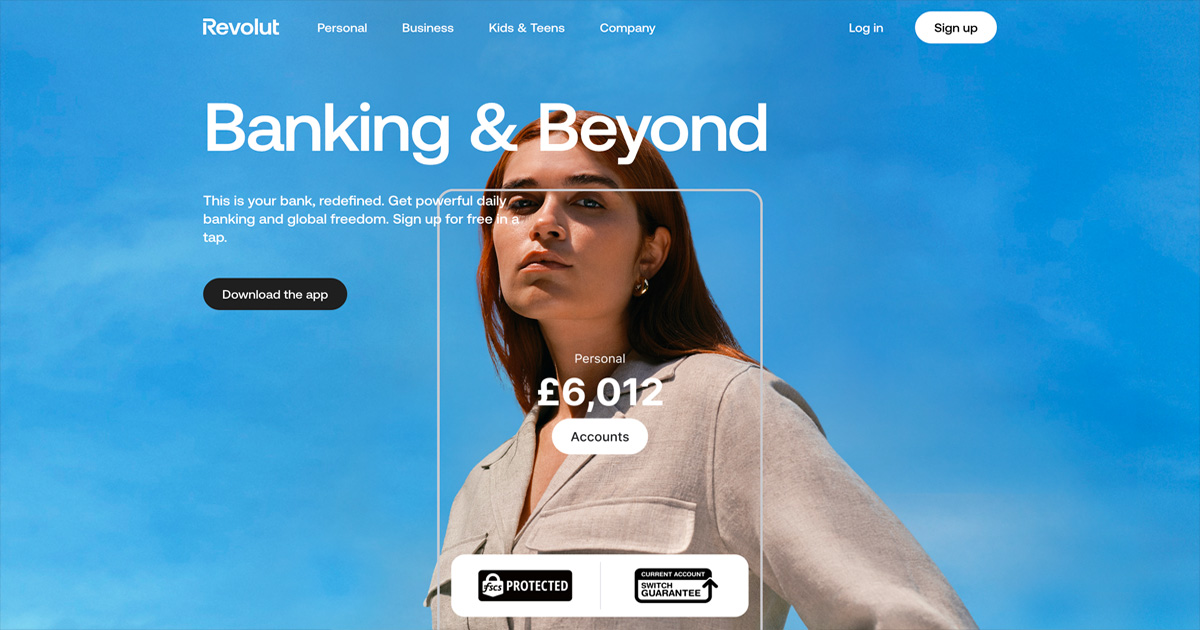
A neobank with a global presence. A dense but perfectly structured site that must appeal to a wide variety of user profiles.
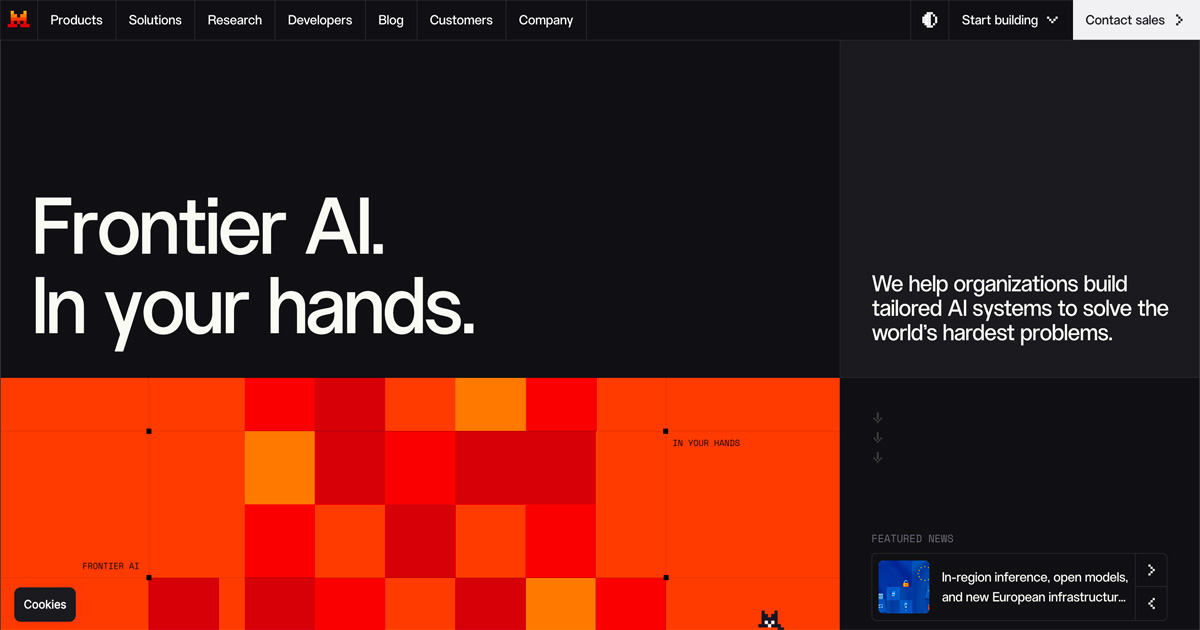
The French champion of generative artificial intelligence. A minimalist, technical site, firmly focused on developers and businesses.
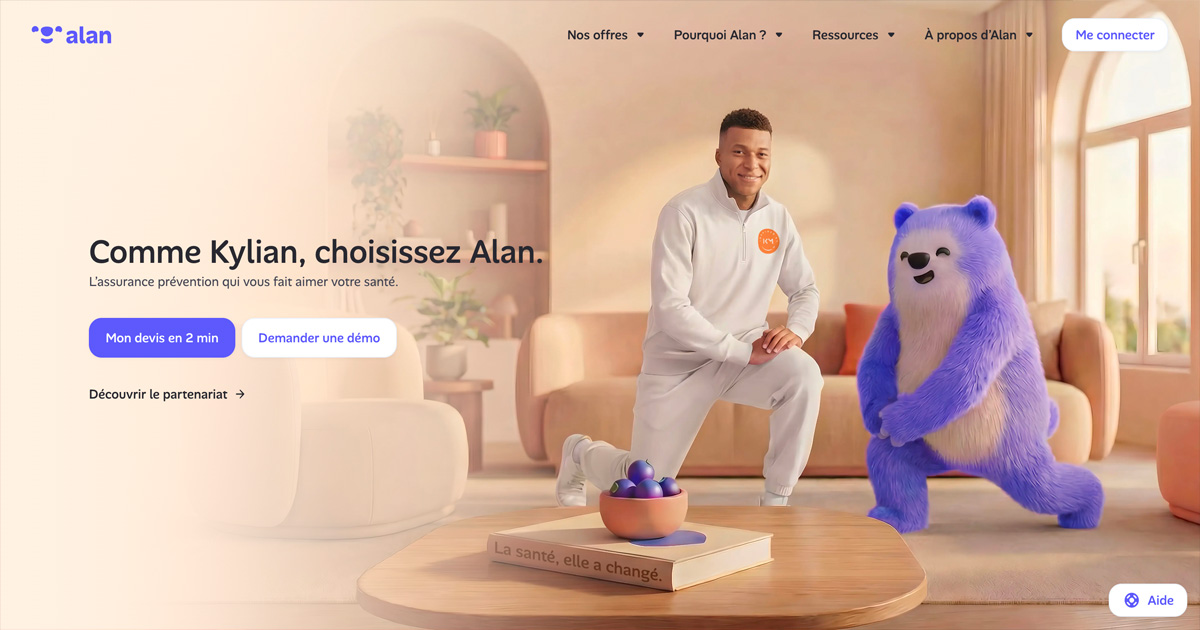
Digital health insurance. A soothing site with soft colors that humanizes a subject often perceived as cold.
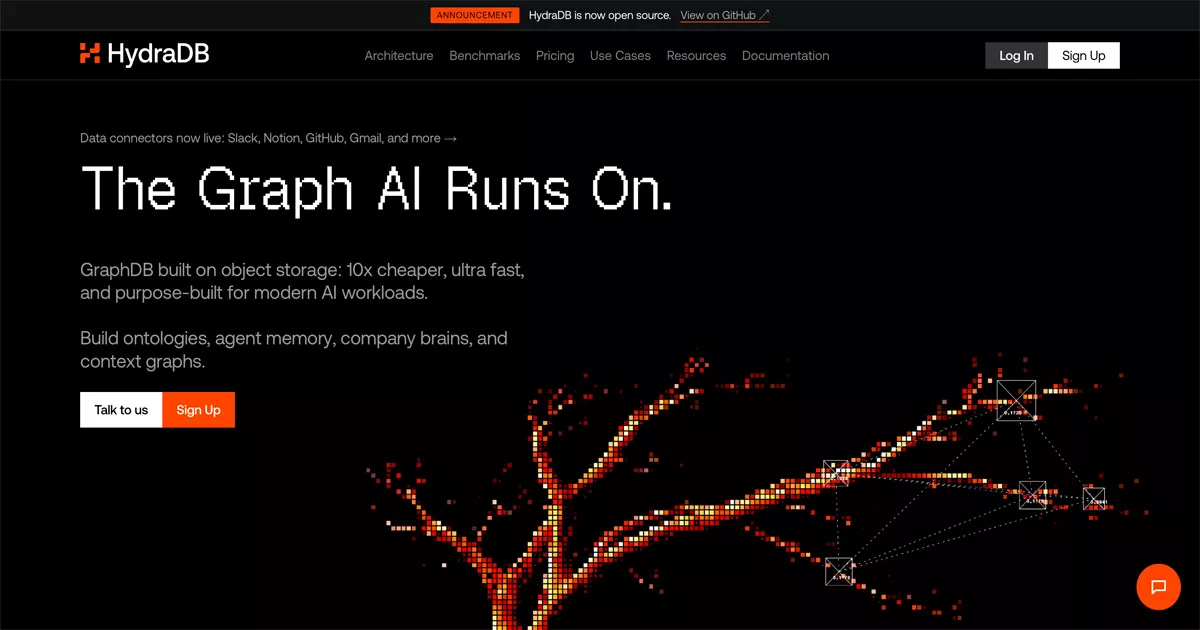
A graph database designed for object storage. The dark, technical site gets straight to the point: developers understand the tool in seconds, with no marketing fluff.
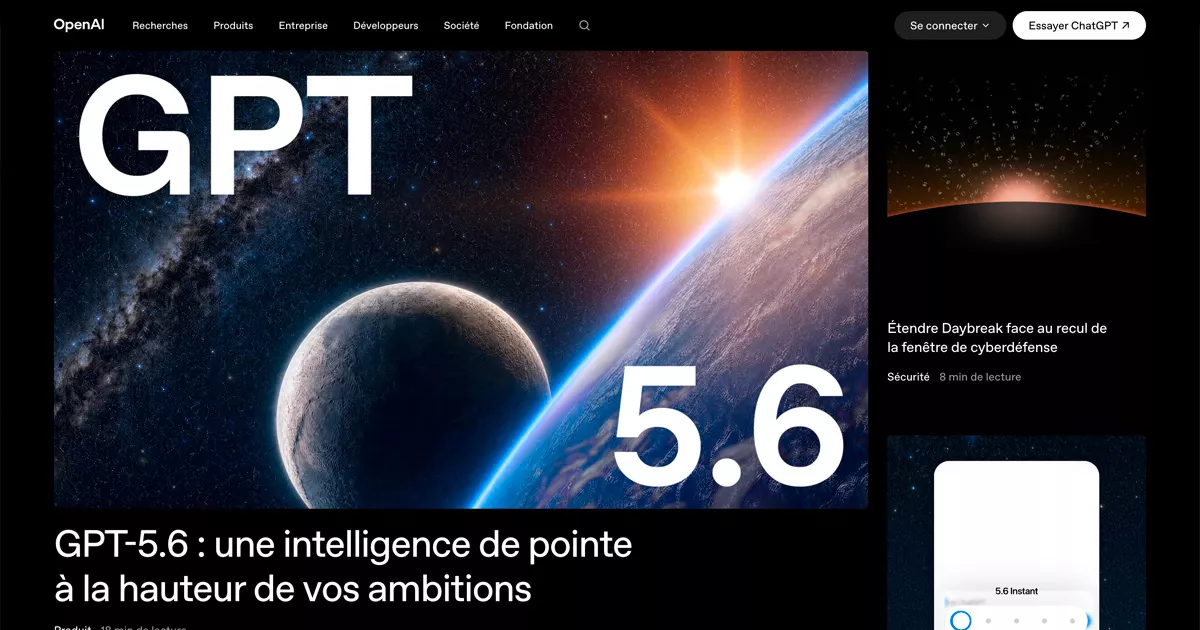
The global benchmark for artificial intelligence research. A clean, almost austere site that prioritizes content and mission over visual gimmicks.
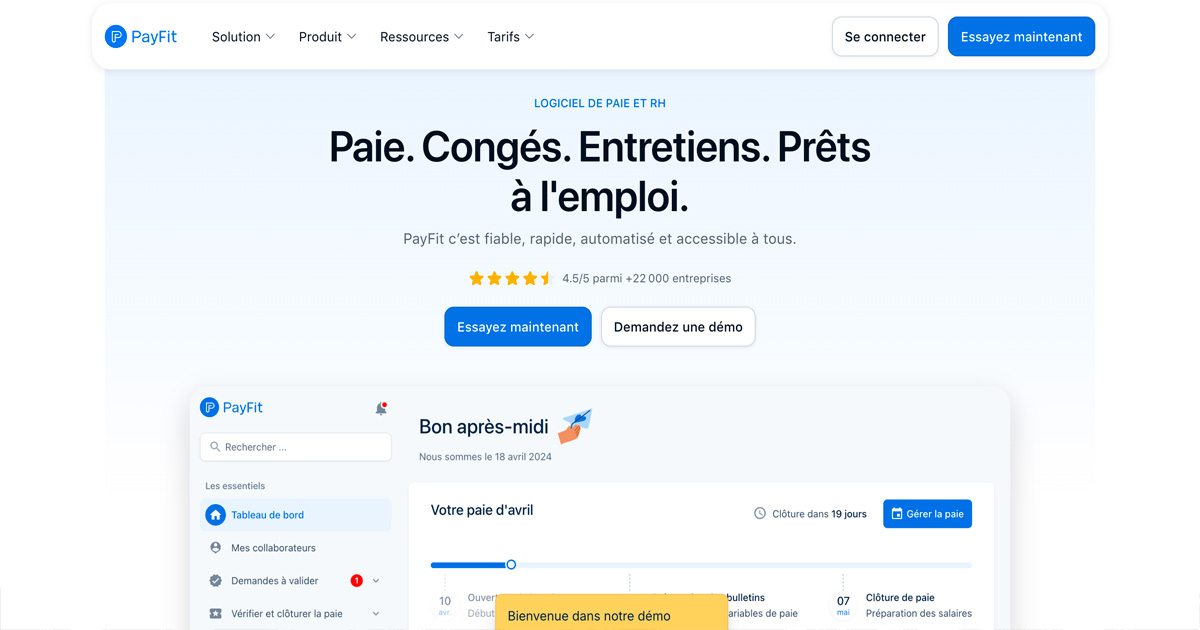
Payroll and HR management software. An educational and reassuring site, designed to make a complex subject accessible in just a few clicks.
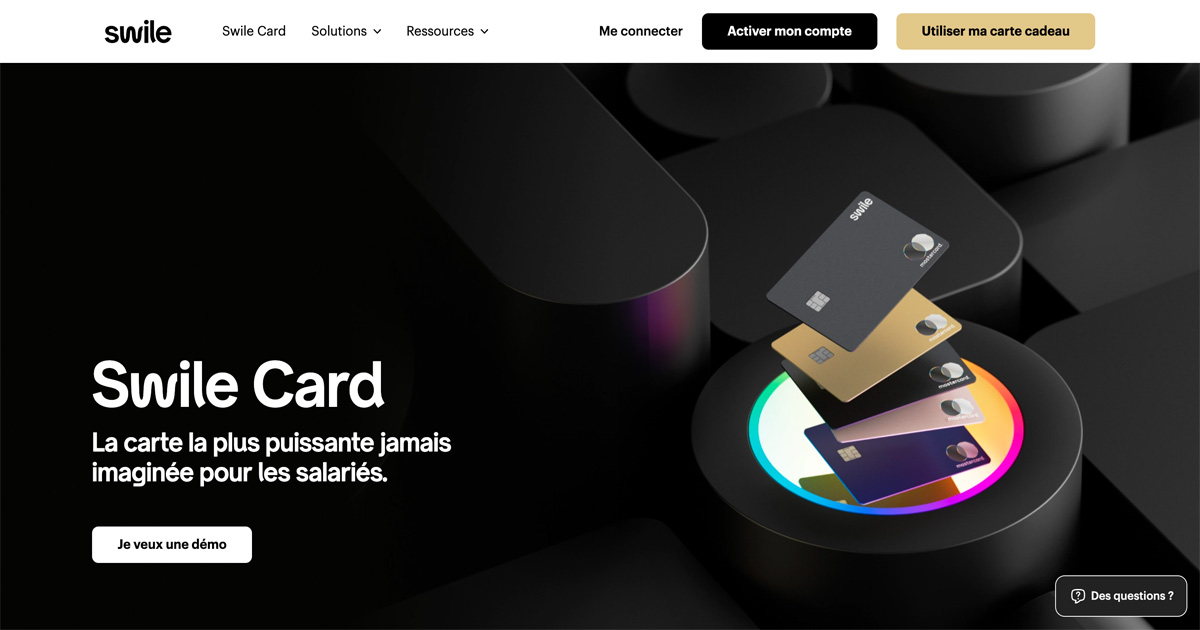
An employee benefits card and app. A pop and colorful aesthetic that makes an HR topic as engaging as a consumer app.
An infrastructure platform for running software in your own cloud. A streamlined, code-oriented homepage that builds confidence in the system's reliability before you even see a demo.
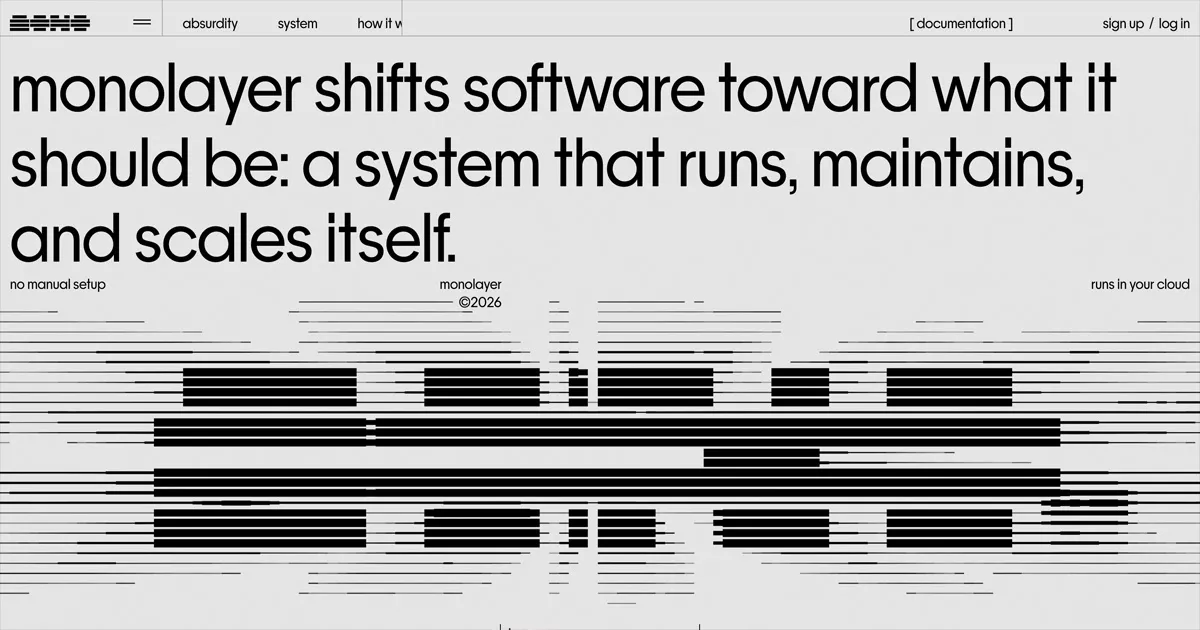
An AI-powered search engine with a generative interface. Its minimalist design places the search bar at the heart of the user experience, a promise of simplicity.
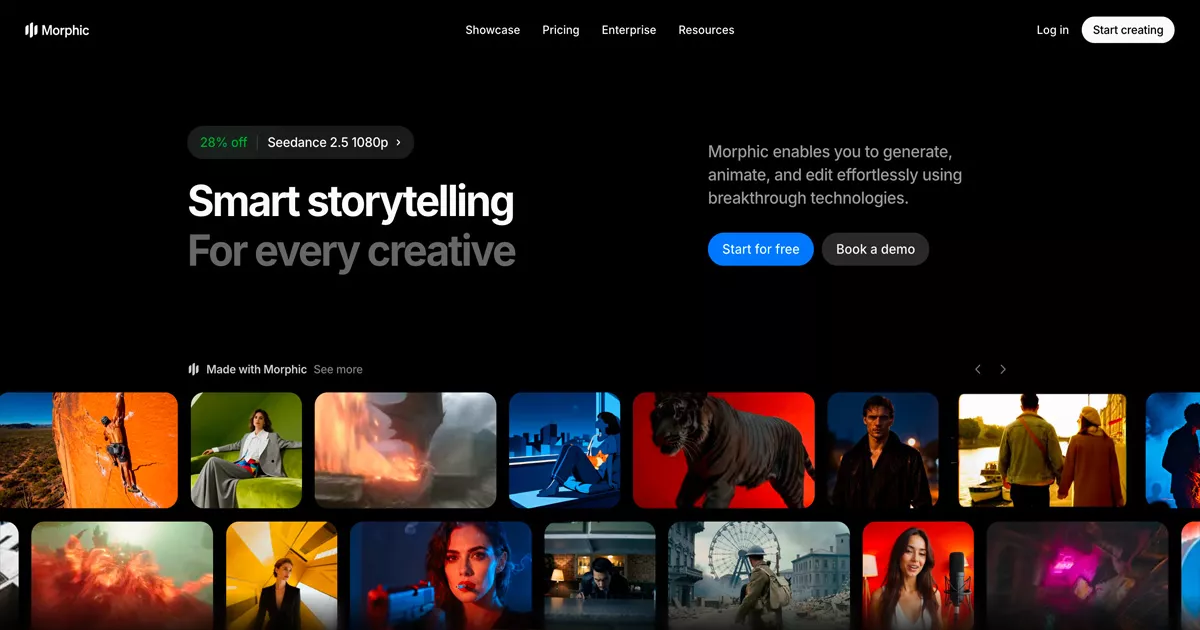
A B2B platform with a direct tone. The homepage gets straight to the point, cutting out the fluff to quickly convert busy visitors.
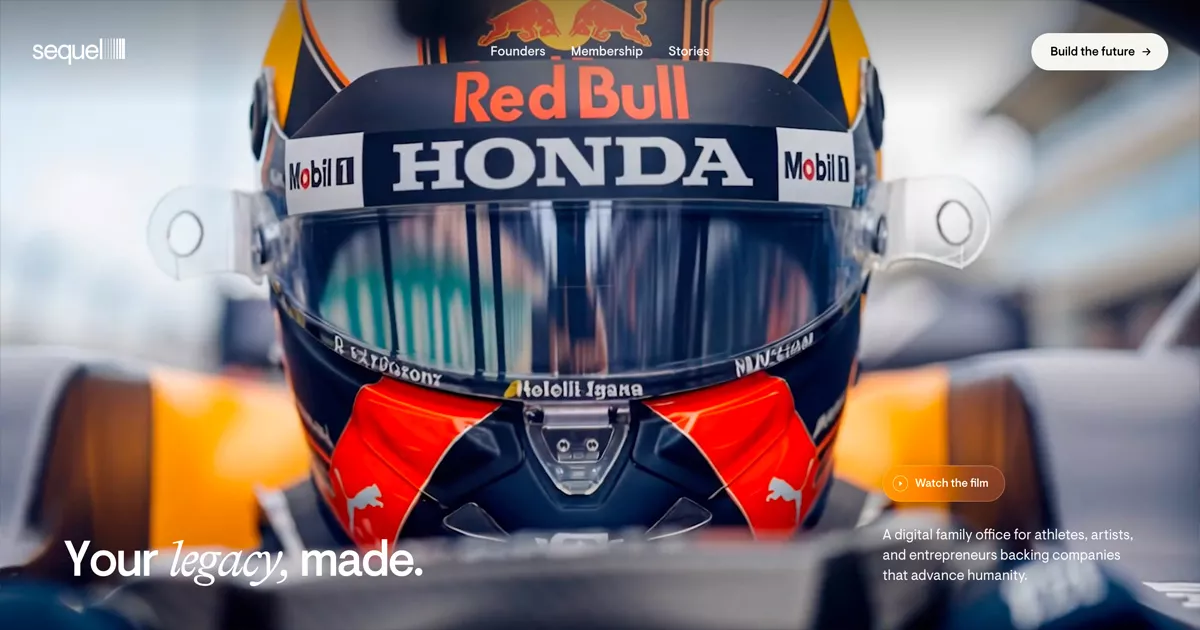
A strategic partner for blockchain founders. It features a dark, technical aesthetic typical of Web3 brands that prioritize trust over flashiness.
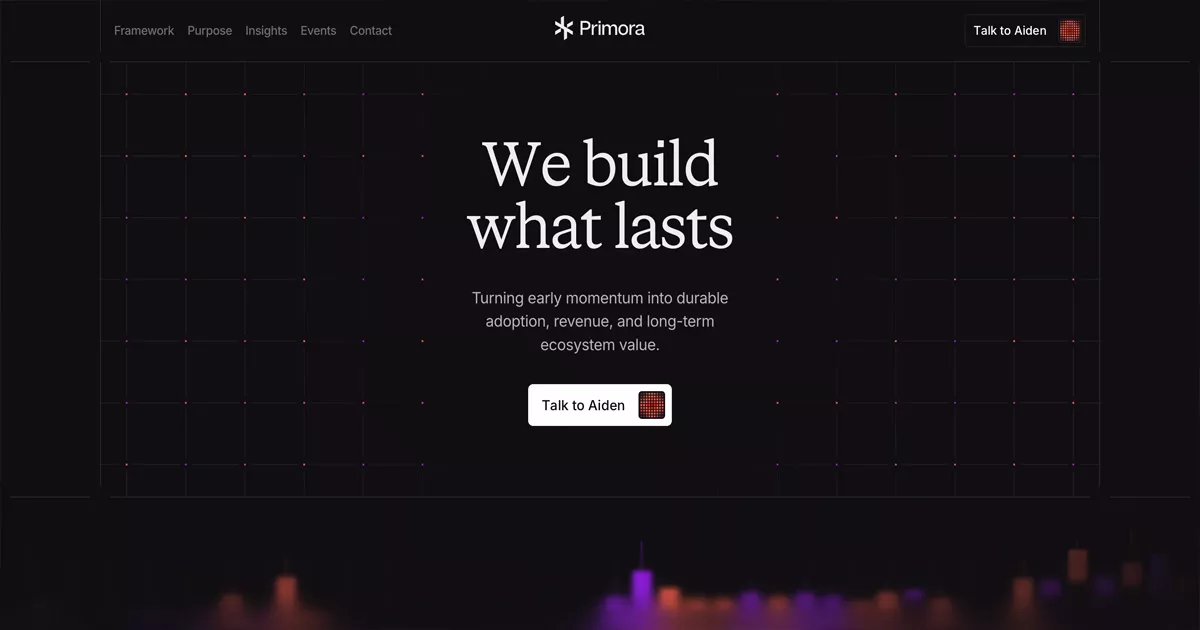
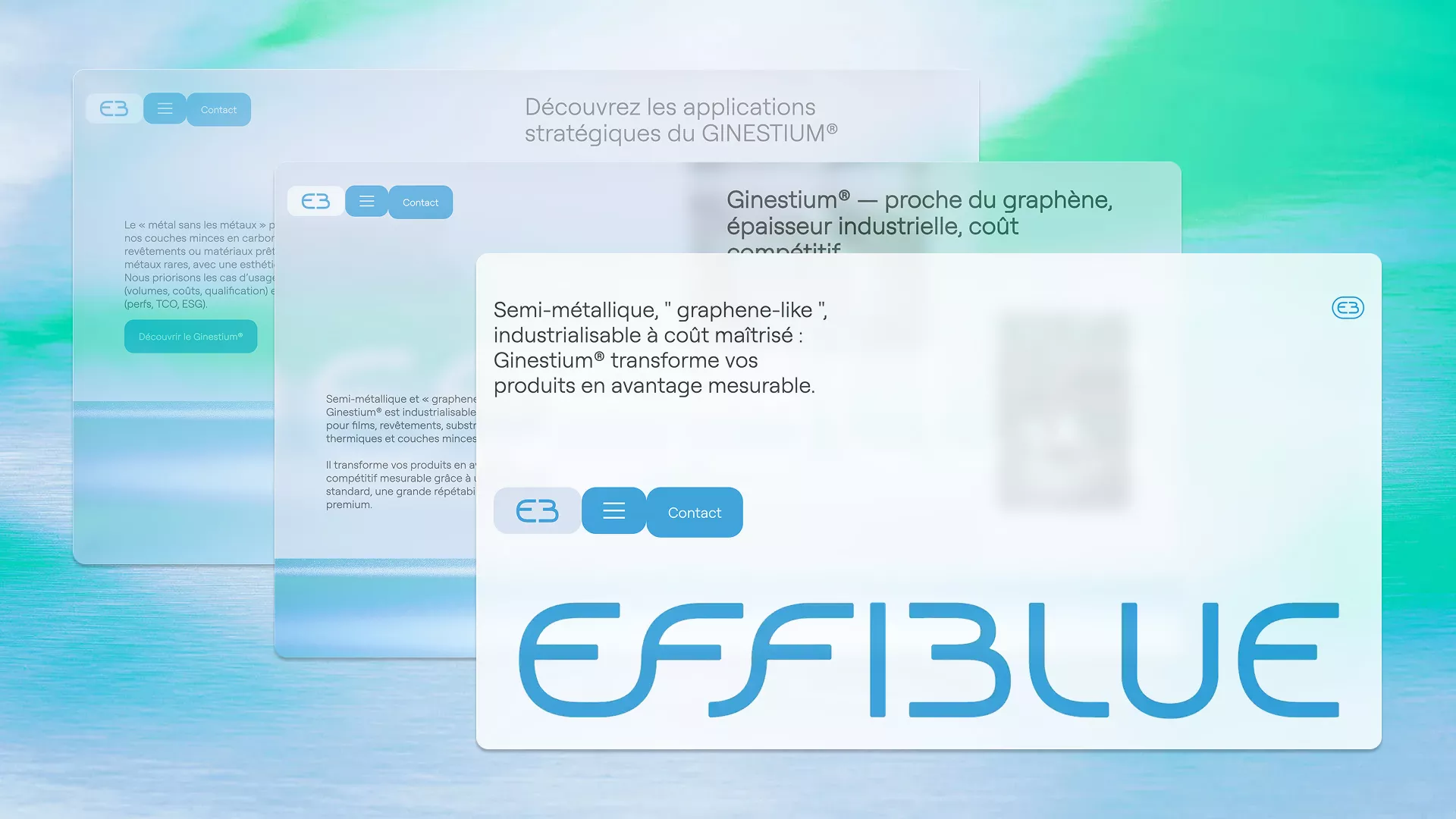
Ginestium®, a next-generation nanomaterial. Studio Elias designed a site that blends scientific rigor with cutting-edge aesthetics, turning breakthrough innovation into a credible experience.
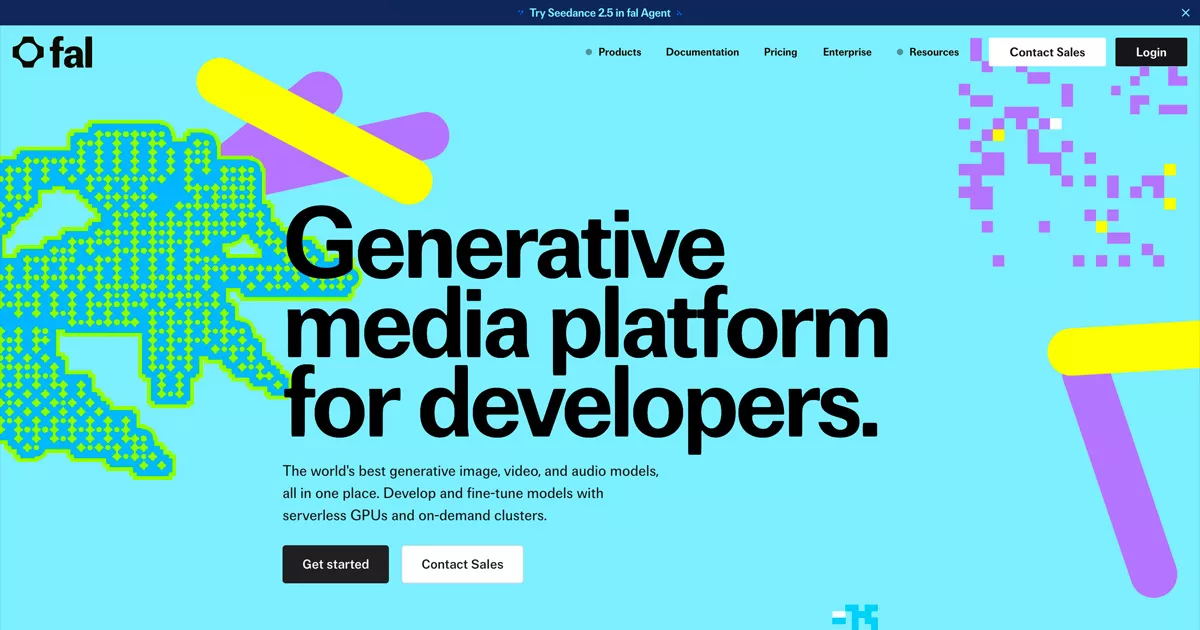
An inference platform for generative AI, built for developers. The content is dense but perfectly structured within a dark, technical interface.
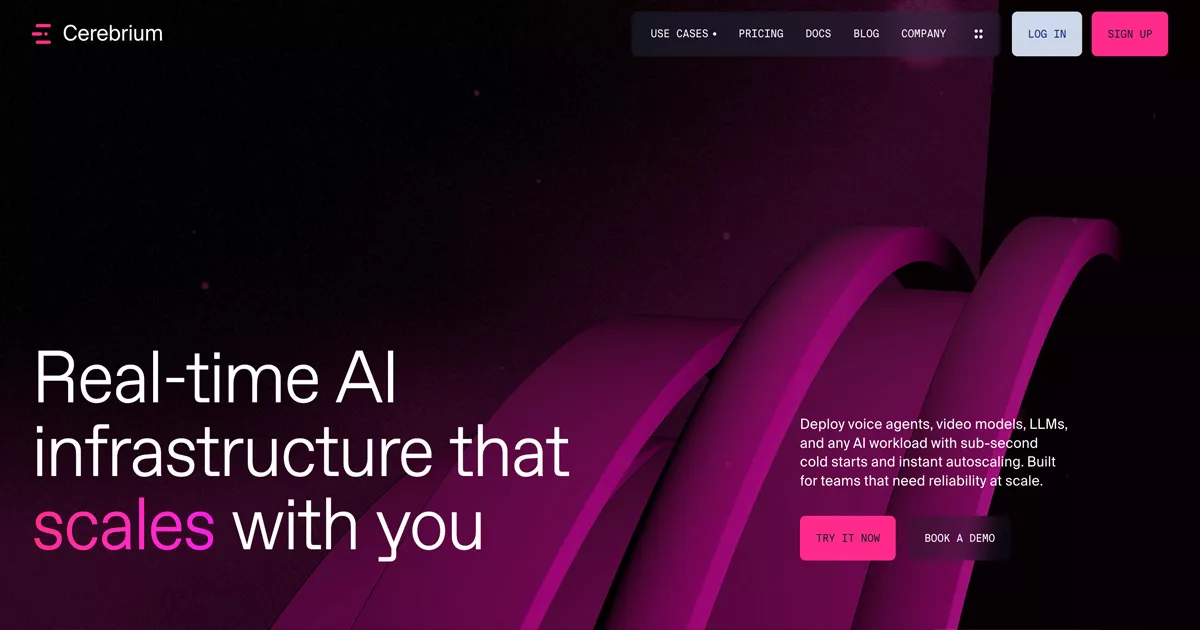
Serverless GPU infrastructure for deploying AI models. A clean and fast developer interface designed to win users over in just a few screens.
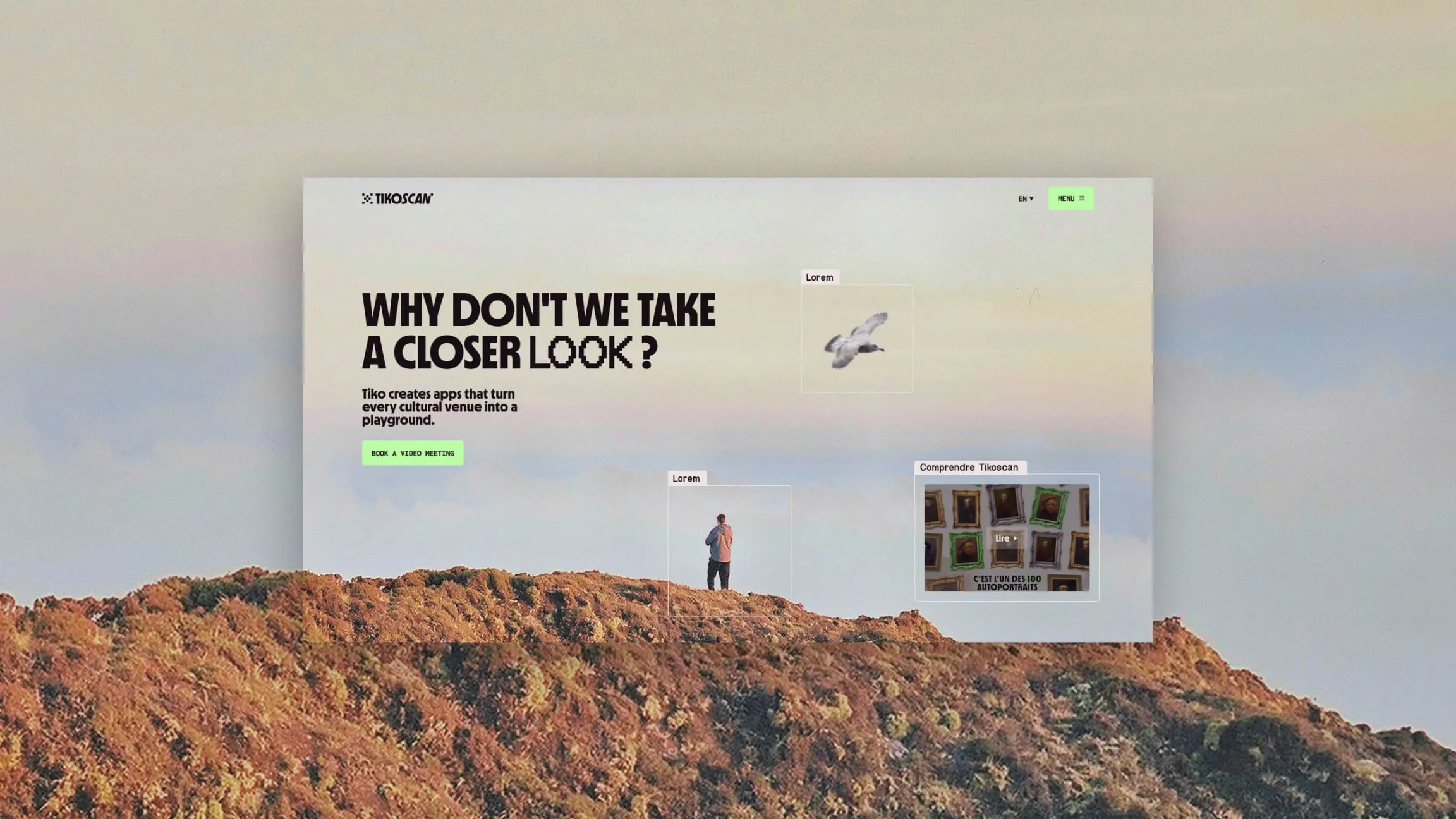
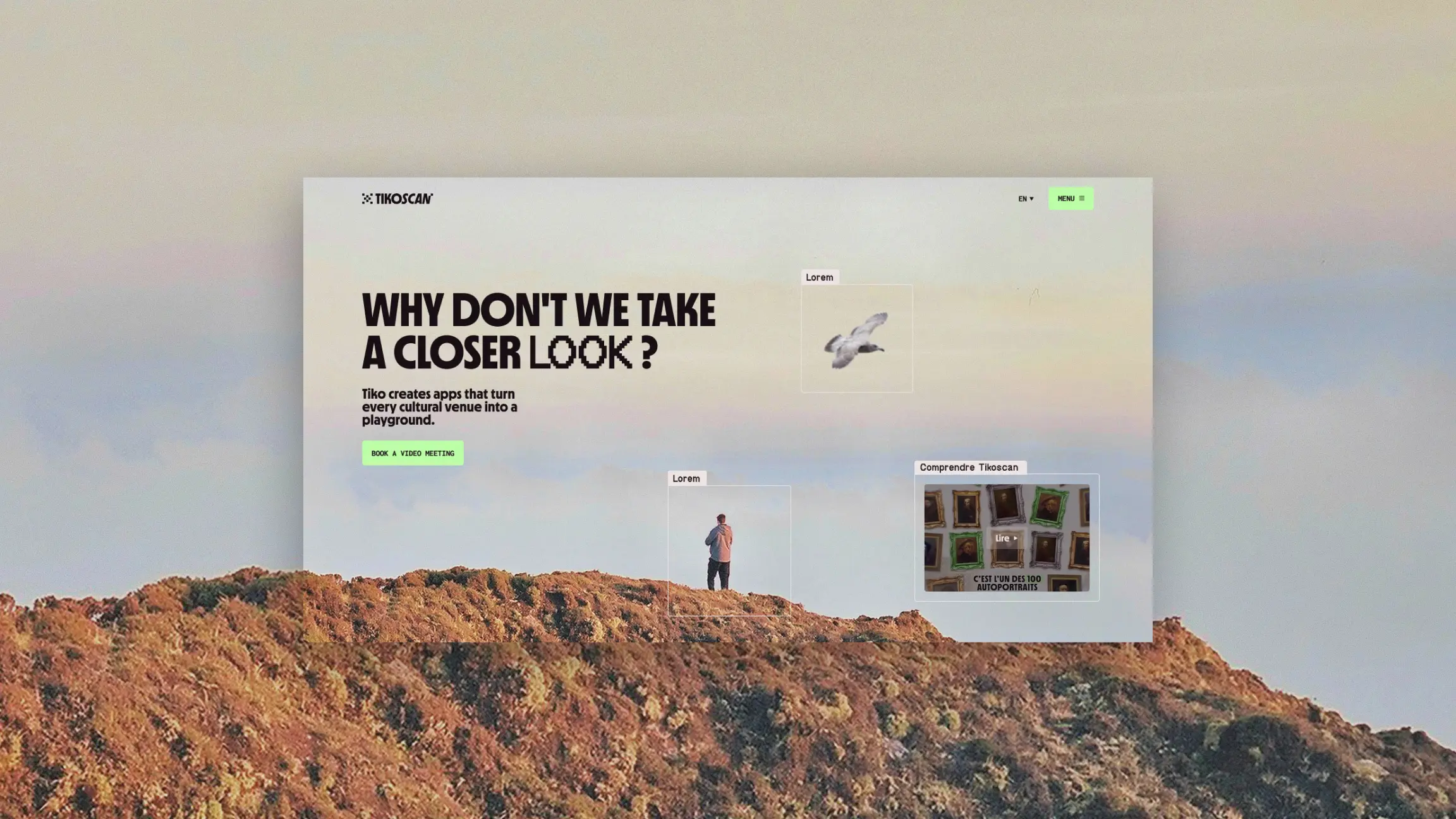
Smart applications for cultural venues. The site, designed by Studio Elias, turns visual recognition into a playful promise right from the homepage.
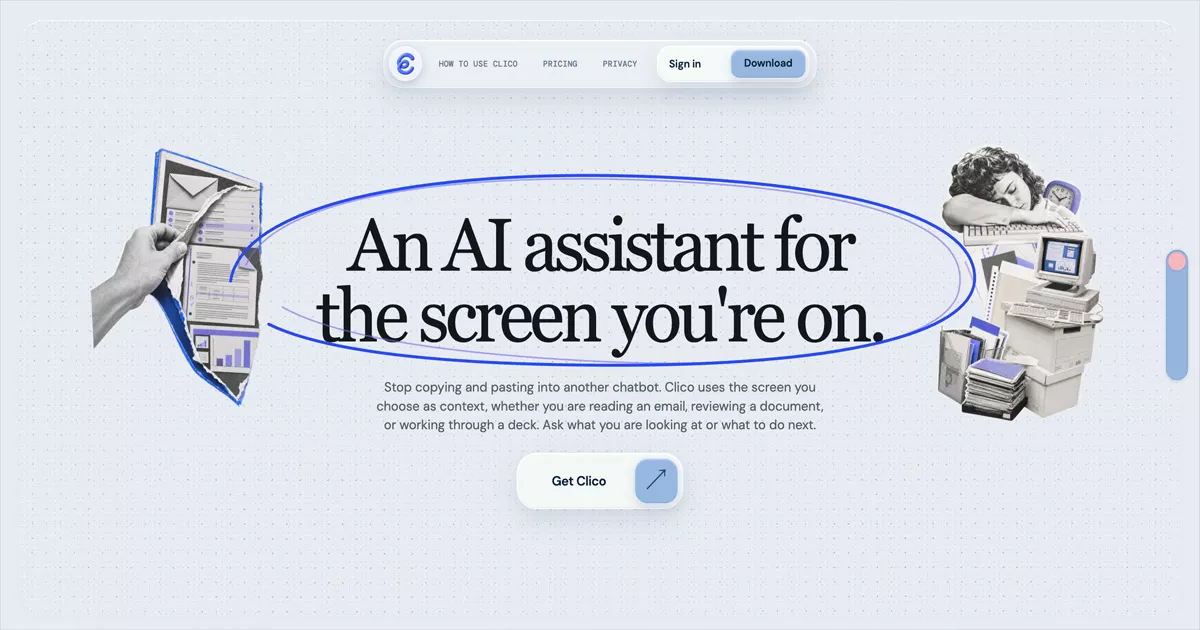
An AI assistant that understands the user's screen. A direct, conversion-oriented landing page with a product promise that is readable at a glance.
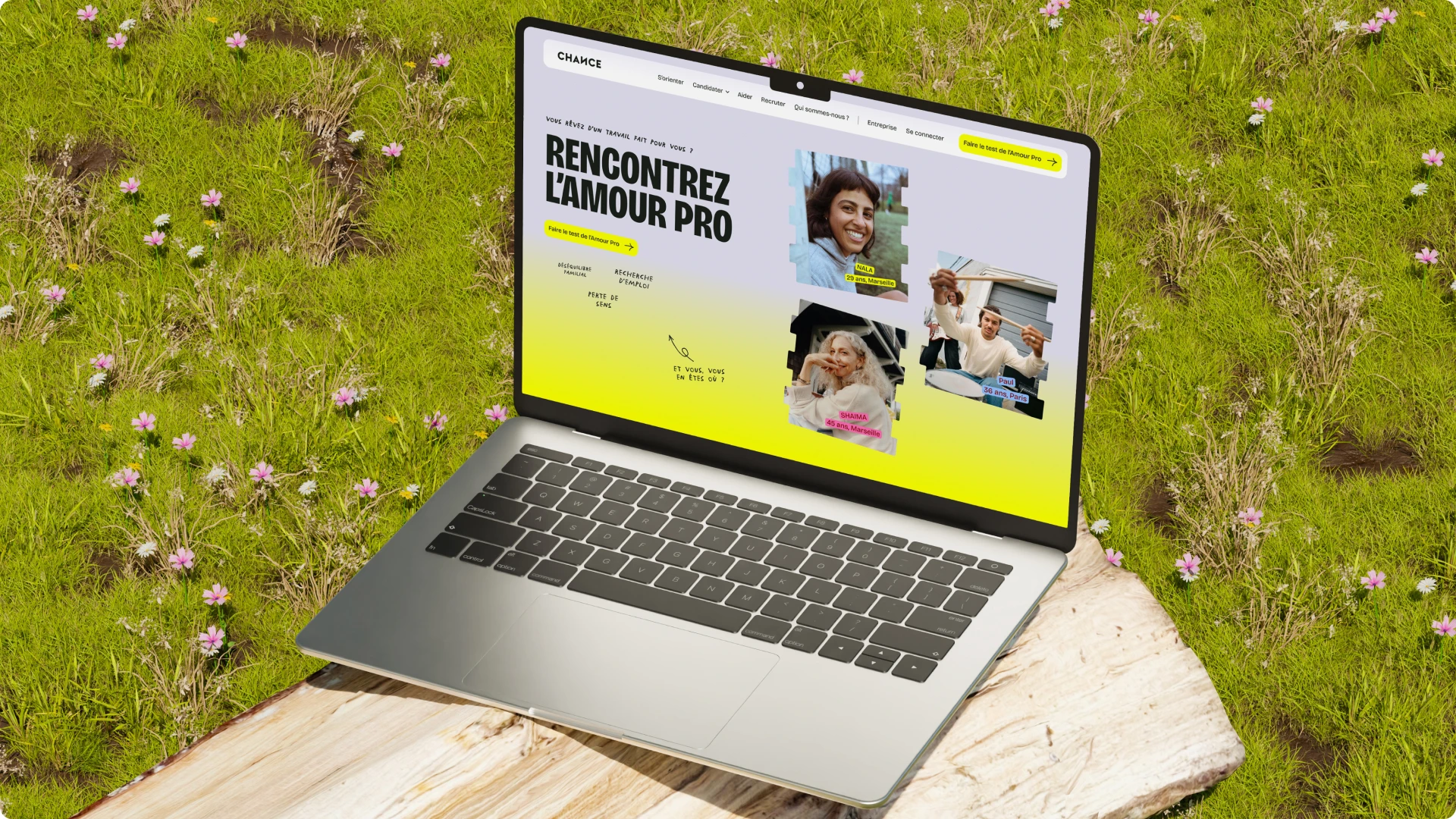
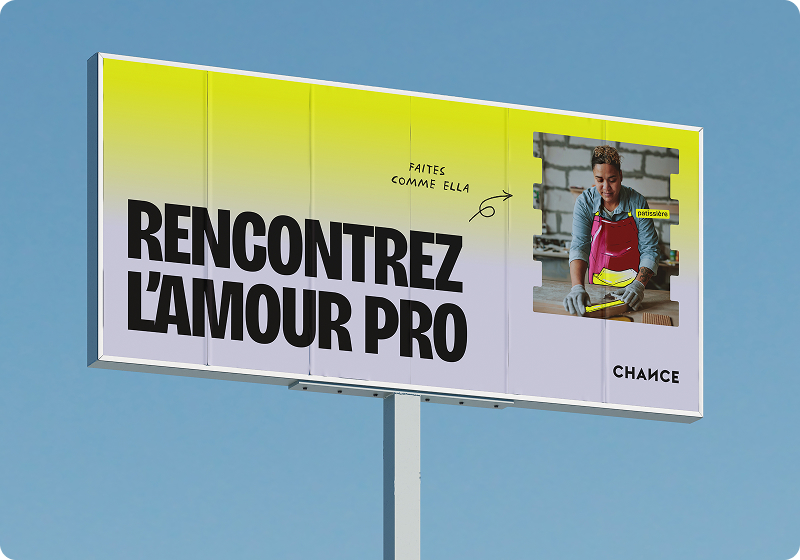
The method for finding your professional calling. Studio Elias built a dynamic identity that transforms career changes into a human and positive narrative.
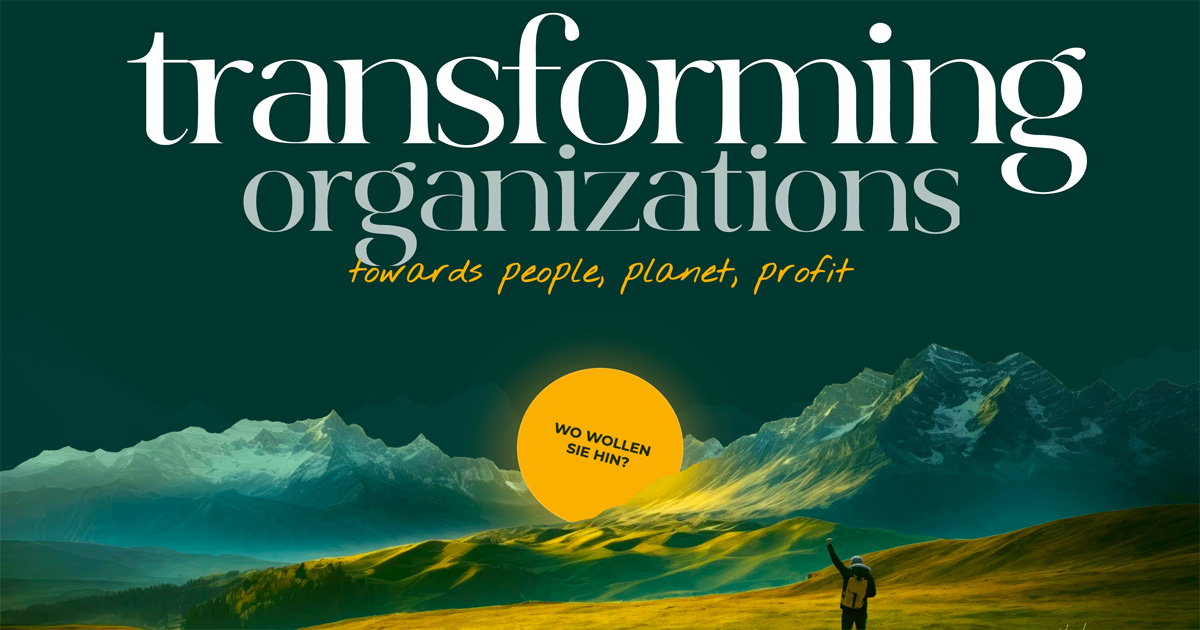
A clean and efficient site, tailored for a demanding B2B audience that values clarity over flashiness.
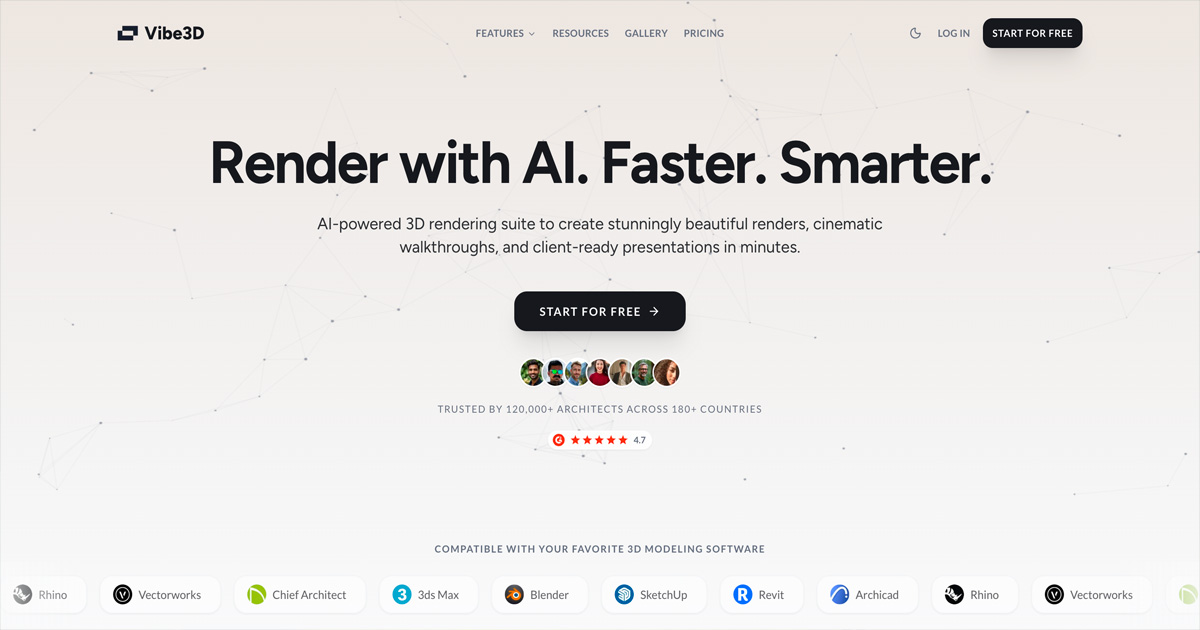
AI-driven photorealistic 3D rendering for architects and designers. A highly visual site where every scroll demonstrates the power of the tool in action.
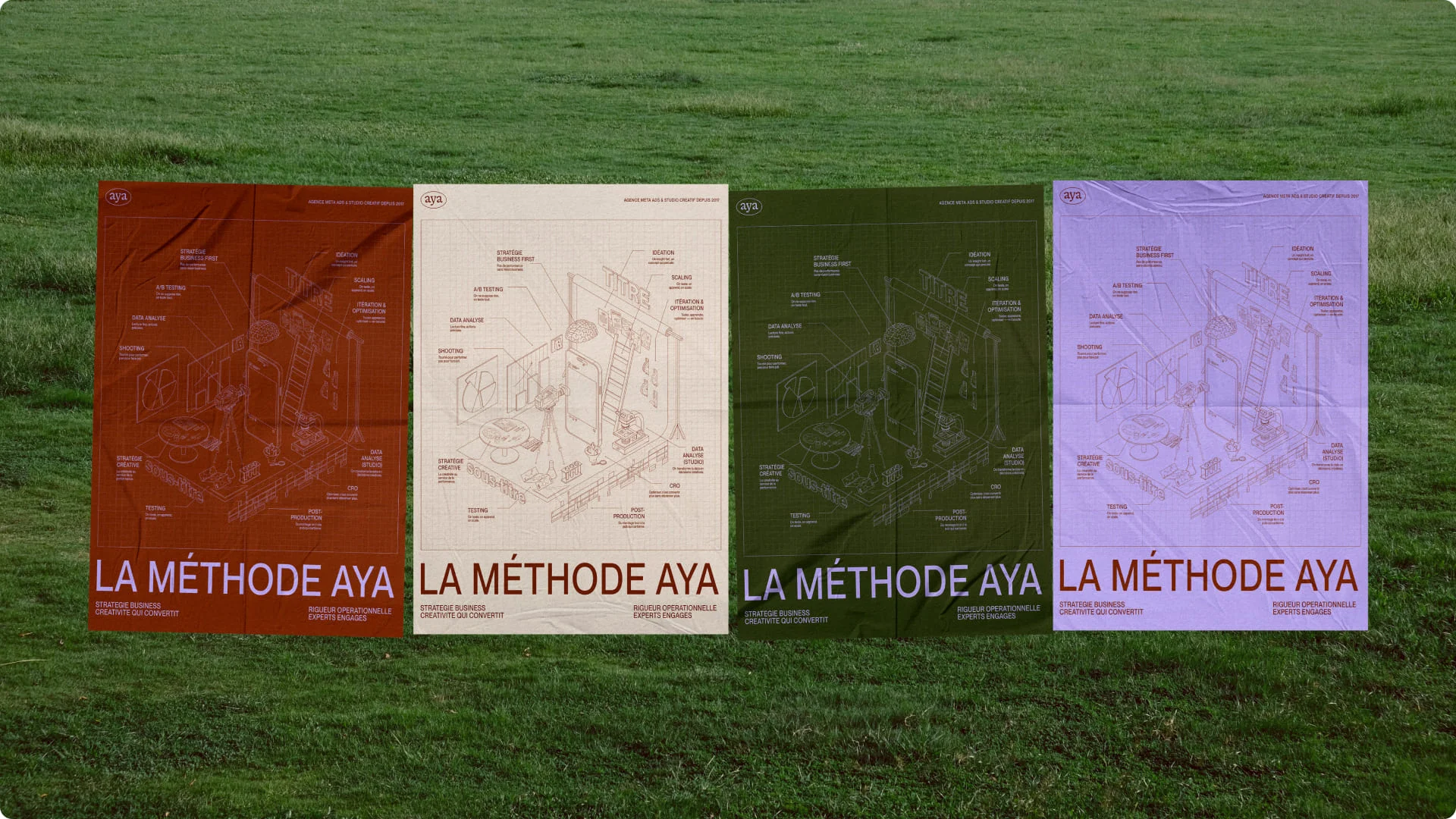
A brand content agency that stands out. The site, designed by Studio Elias, embraces bold creativity and perfectly mastered visual hierarchy.
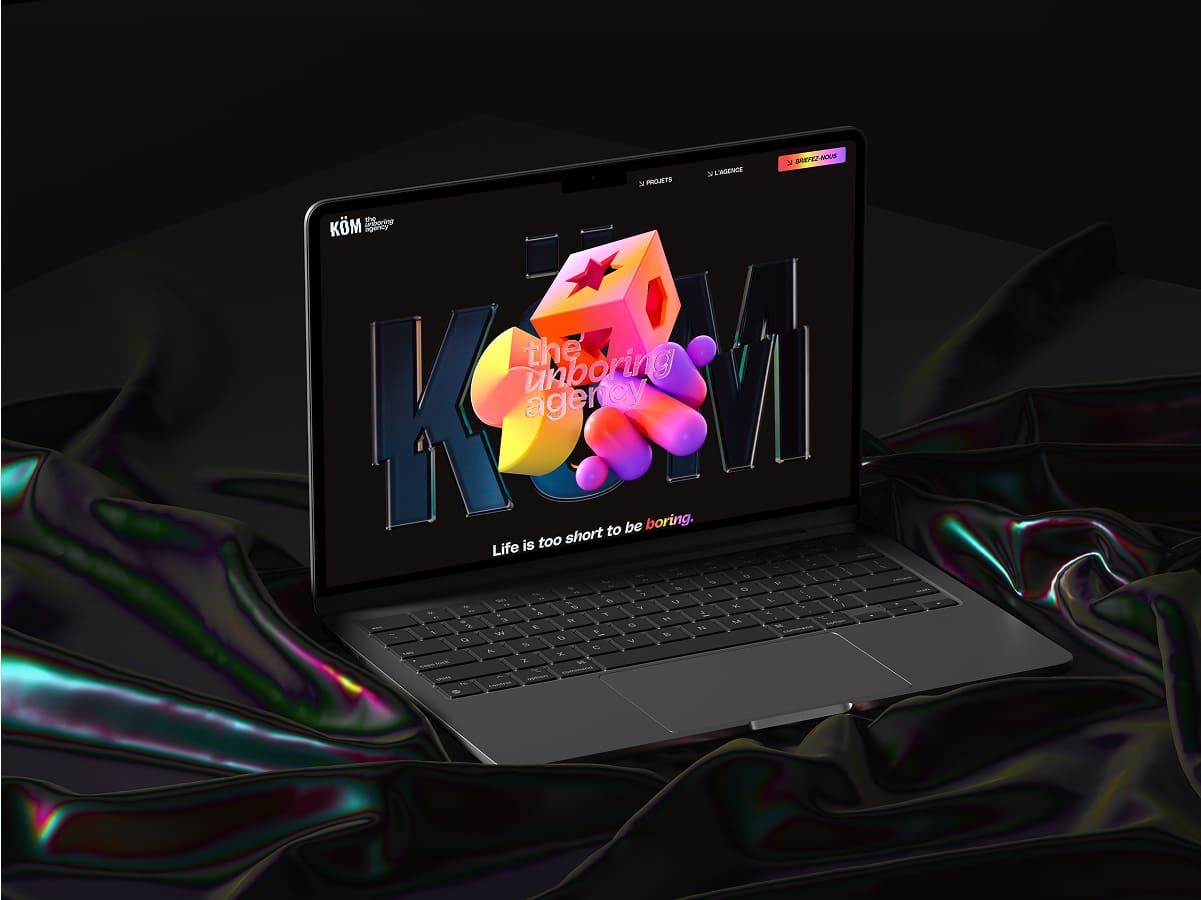
A manufacturer for the space industry. An impressive, almost cinematic visual identity that matches its ambitions.
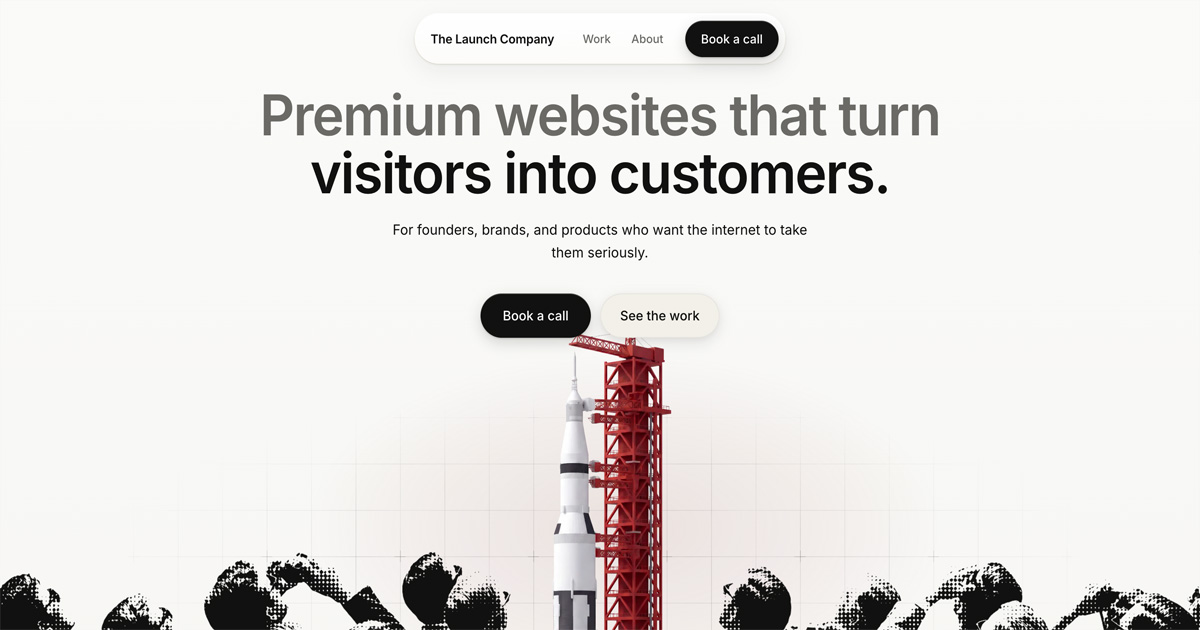
A creative studio with a pop and socially conscious tone. A colorful art direction that breaks away from the more conventional standards of its sector.
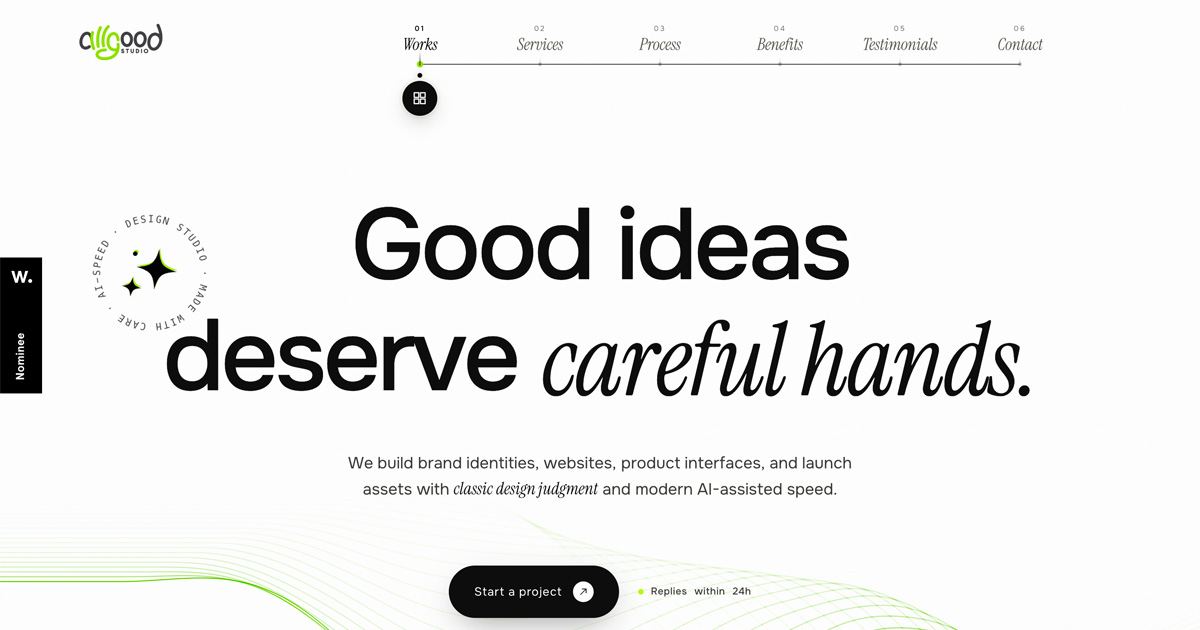
A venture capital firm dedicated to early-stage startups. A minimalist website that highlights the founders rather than the firm itself.
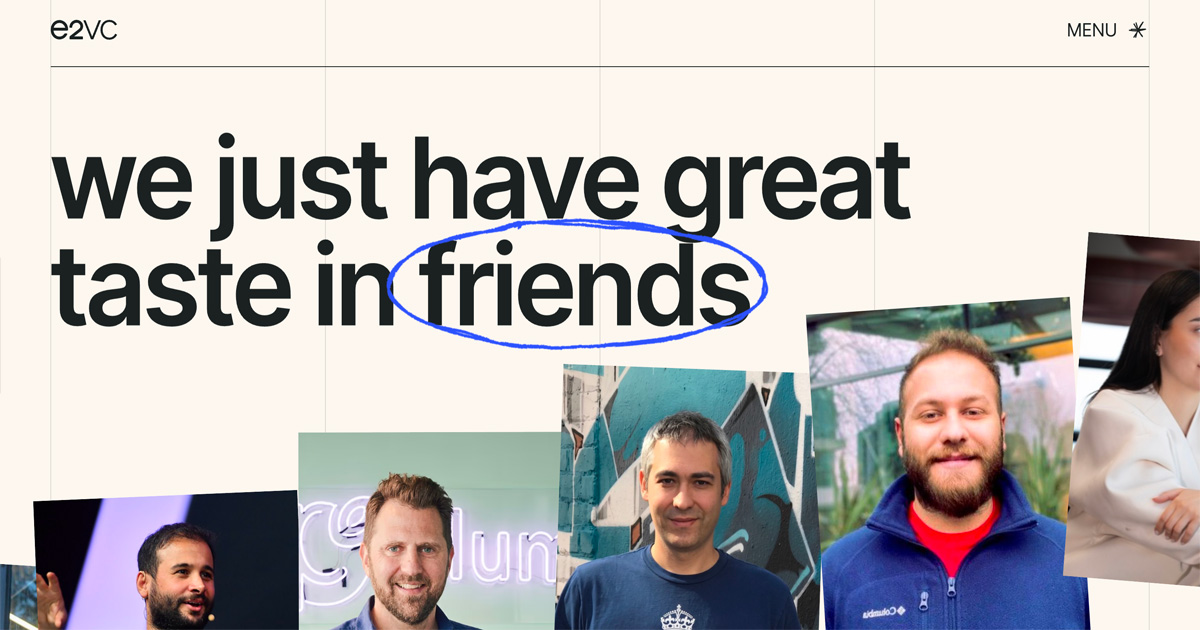
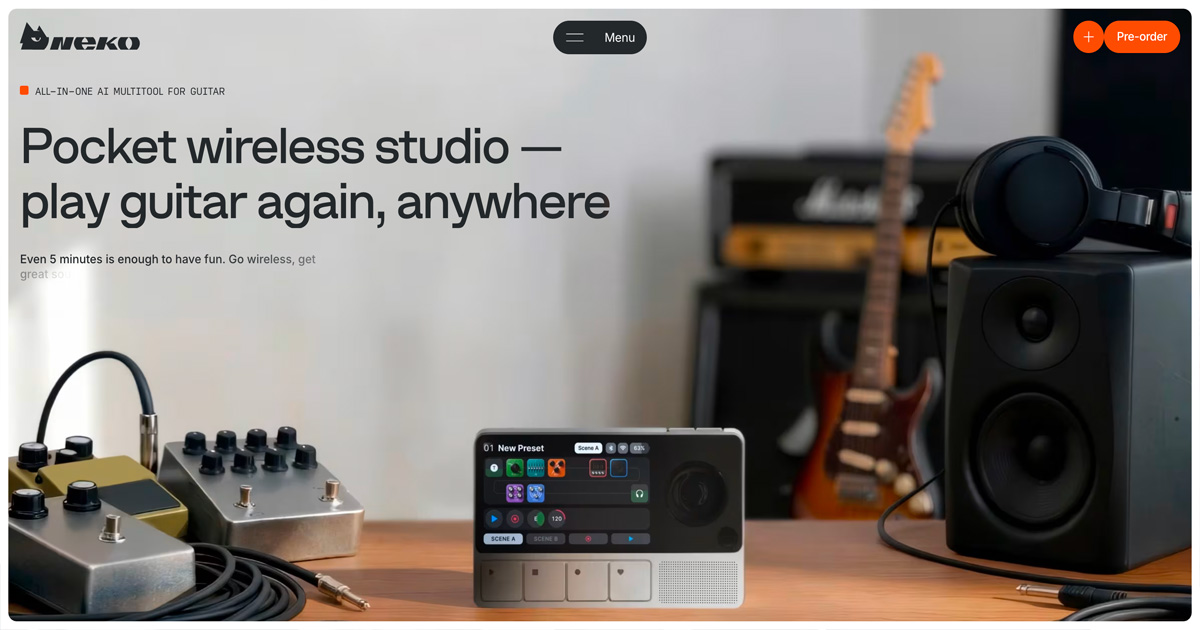
A pocket-sized AI device for improving your guitar skills. An immersive website that blends music, hardware, and artificial intelligence with plenty of personality.
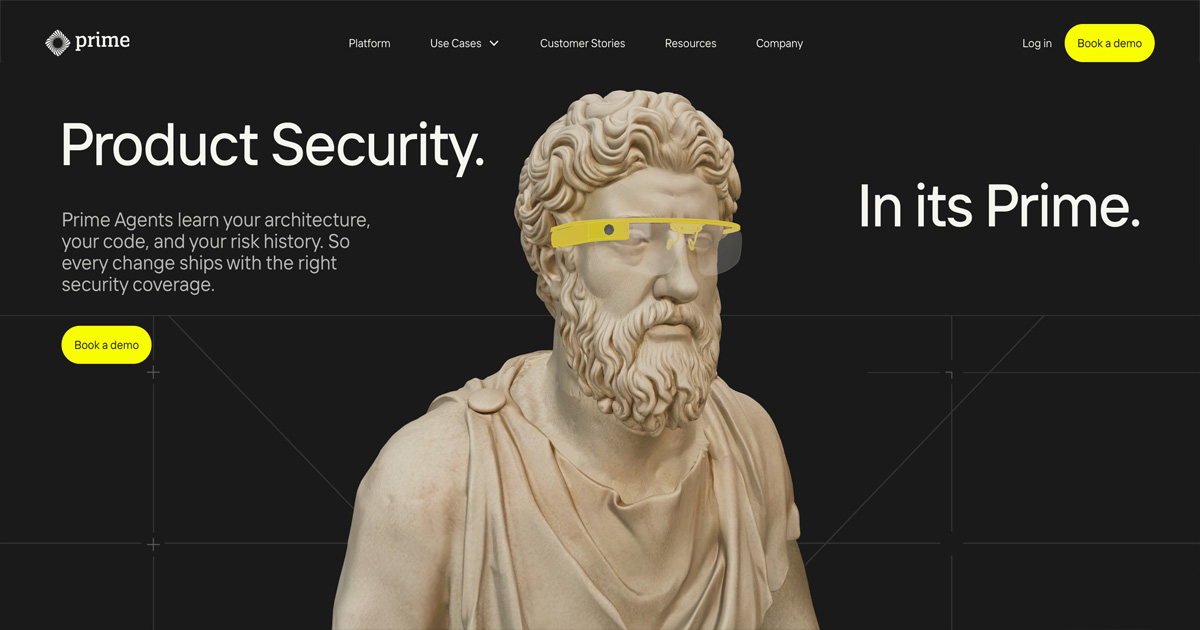
A product security platform driven by AI agents. A technical, dark-themed interface that inspires confidence in tech and security teams.
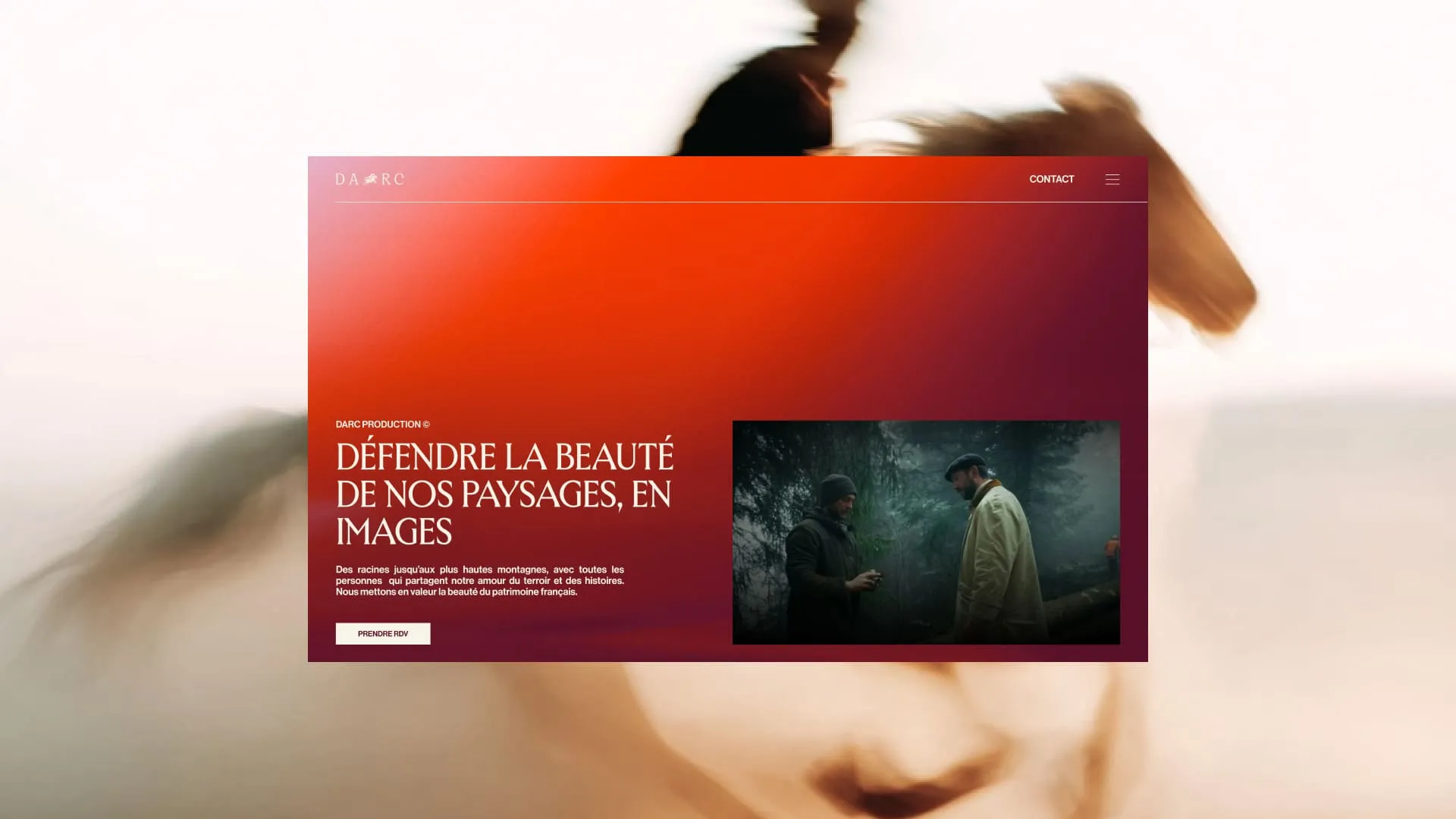
An agency that merges influence with video production. Studio Elias crafted a bold identity for a brand that keeps its entire value chain in-house.
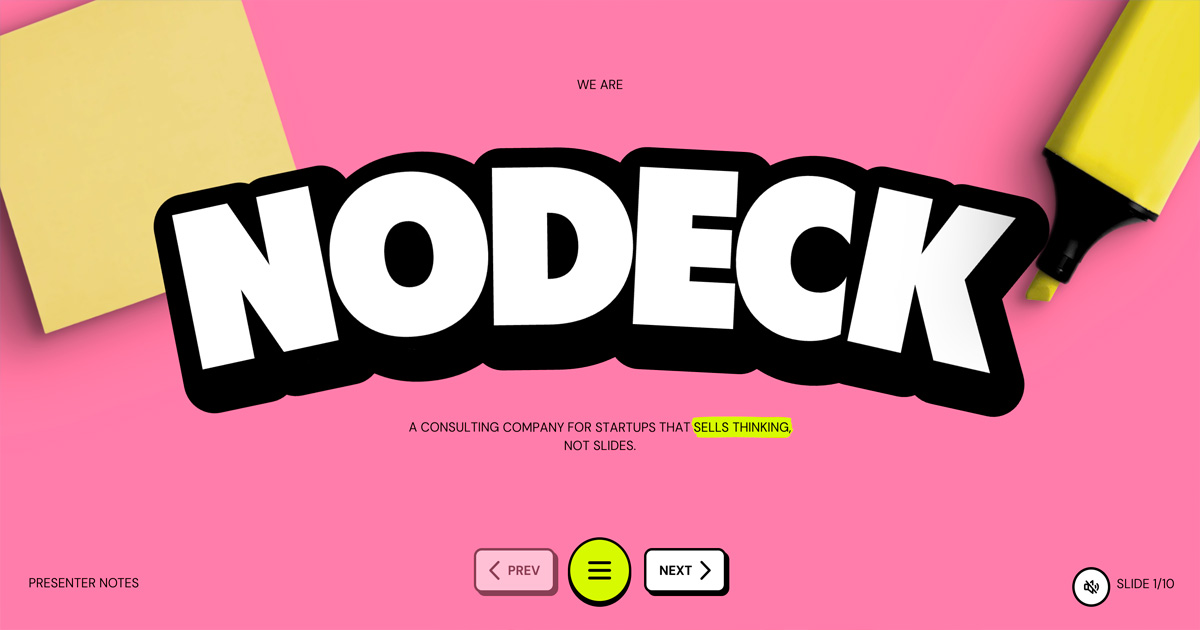
A presentation page that hates presentations. Counter-intuitive storytelling that intentionally breaks away from traditional pitch decks.
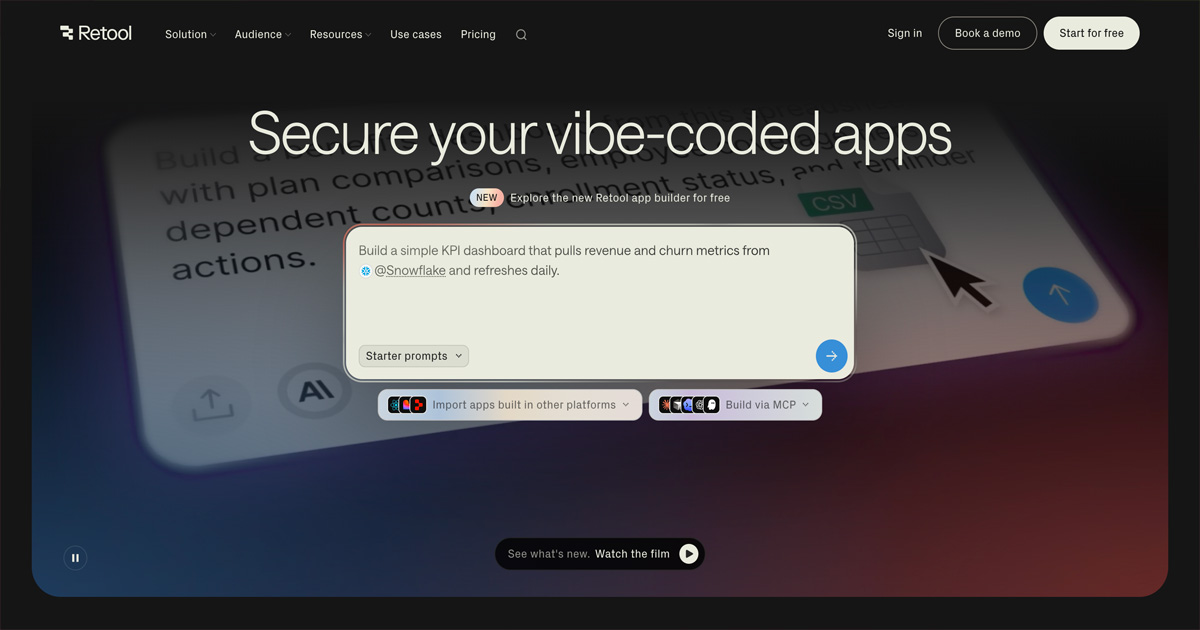
A low-code platform for building internal tools. A highly effective product site that shows in just a few screens how to create an application without building everything from scratch.
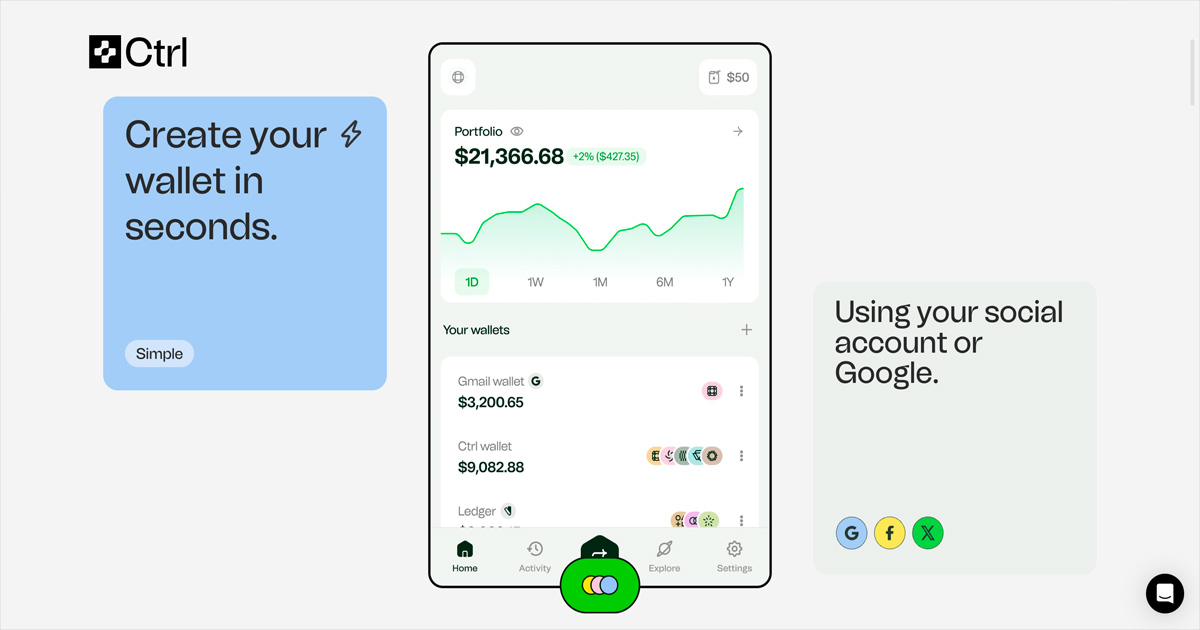
A secure crypto wallet. A dark, technical design that builds trust around a sensitive topic: digital asset security.
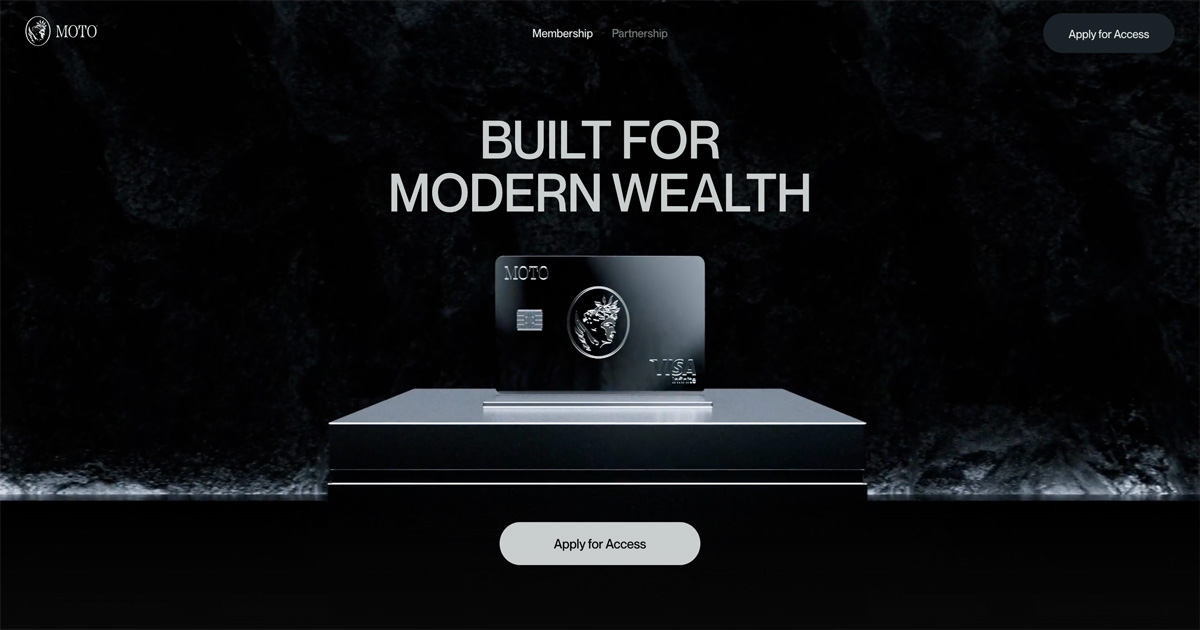
A clear, direct site tailored for enthusiasts who want to understand the offering in seconds.
Beyond design, this top 30 reveals one thing: the best startup websites never try to do too much. Whether it's a sophisticated B2B tool like Retool or Cerebrium, a consumer brand like Swile or Alan, or a Studio Elias project like Chance or Kom, every site serves a single purpose: to make an idea understandable and desirable as quickly as possible. Content strategy, page hierarchy, loading speed, and search engine optimization matter just as much as aesthetics. A high-performing site is never an accident; it is the result of methodical teamwork between design, development, and SEO.
We also see a shared commitment to technical excellence: reliable hosting, secure systems, simple contact forms, and optimized loading times. These details, often invisible to the end user, are what distinguish a professional site from a makeshift one. A young company that neglects these technical foundations always pays the price in both visibility and conversion rates. Regularly analyzing traffic data, testing new page formats, and adjusting content based on user feedback is part of the ongoing work, long after the site goes live.
To understand how Webflow meets these technical requirements, our article on why you should build your showcase site with Webflow, sets the stage.
{{cta-1}}
In a content-saturated market, a website remains the only space a startup fully controls, unlike social media or third-party platforms. This is where first impressions are made, whether for a B2B client comparing solutions, an investor evaluating a project, or a candidate looking to join a team. A good site does more than just showcase a product: it structures an offering, addresses objections, provides a clear path to conversion, and ensures a consistent experience from the first click to the initial sales contact.
To learn more about the elements that make a high-performing site, check out our 8 Webflow elements to improve user experience.
It is also a growth tool in its own right. A well-designed site facilitates CRM integration, the implementation of a cohesive marketing strategy, and the gradual deployment of new product pages as the company grows. For a startup, knowing how to design, maintain, and scale a website means having the ability to meet constantly changing needs without starting from scratch at every new stage.
{{block-cta-2}}
Startups change fast: products, target audiences, teams, and markets all evolve. Yet, the website often remains static, with an image that no longer reflects the reality of the business. This is a classic sign of a need for rebranding : the strategy has evolved, but the image hasn't.
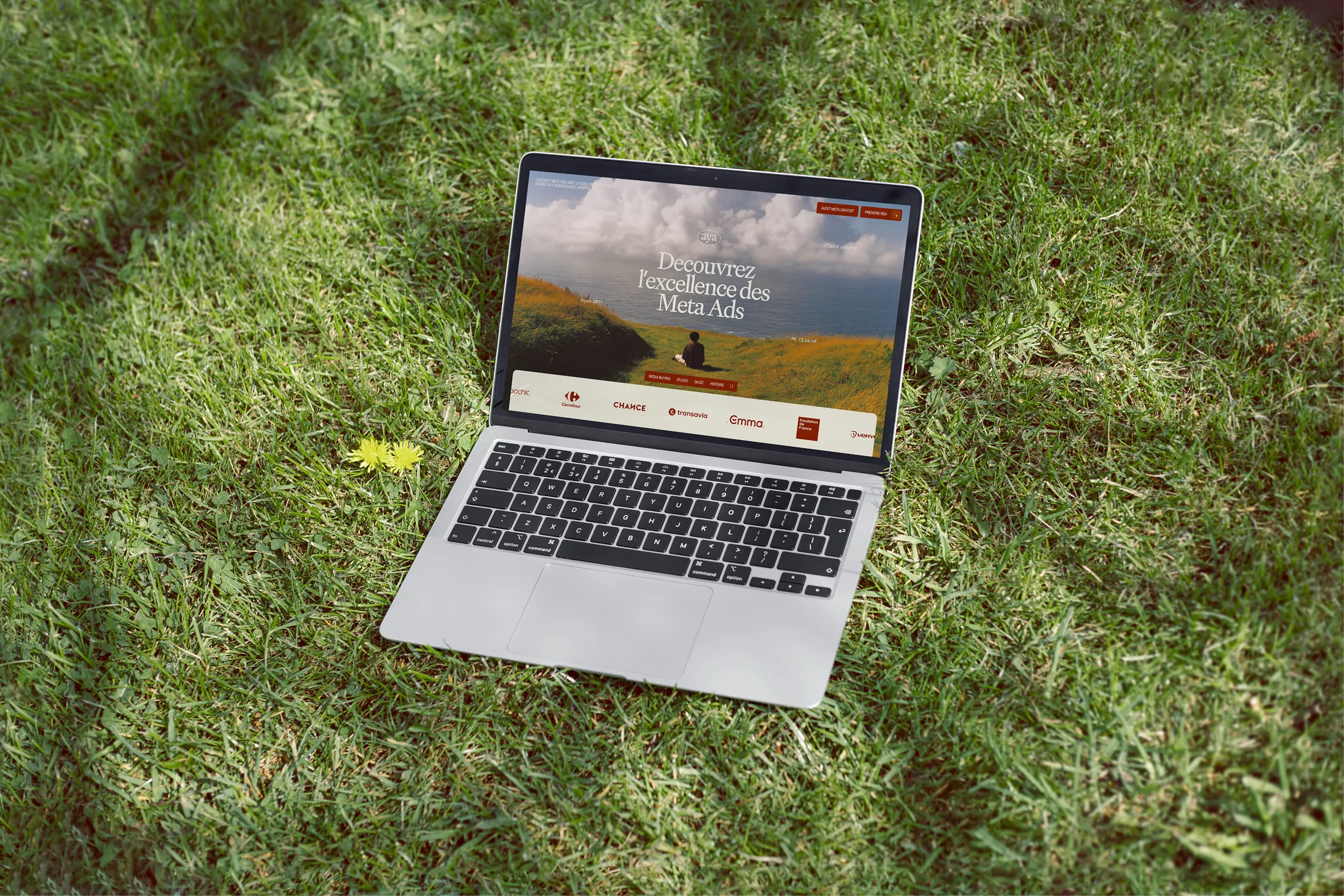
A successful rebranding is never just about the logo or the colors: it is a strategic project that reimagines positioning, tone of voice, UX, and website. At Studio Elias, we work with young companies whose websites still tell the story of where they were two years ago, even though they have since grown in maturity and ambition. The goal: to align what the company has become with what it presents, through a collaborative effort between brand strategy, content, and technical development.
{{cta-2}}
Revamping your website or brand carries risks, provided you don't fall into certain classic traps.
A new art direction that appears out of nowhere, without explanation or narrative, will alienate loyal customers. Change must always be justified by a clear vision, communicated before, during, and after the launch.
Rebranding is not just a fresh coat of paint. It is a strategic decision that must address a specific business objective: entering a new market, moving upmarket, or clarifying an offering. Without this upfront thinking, the new site may look good, but it will remain ineffective.
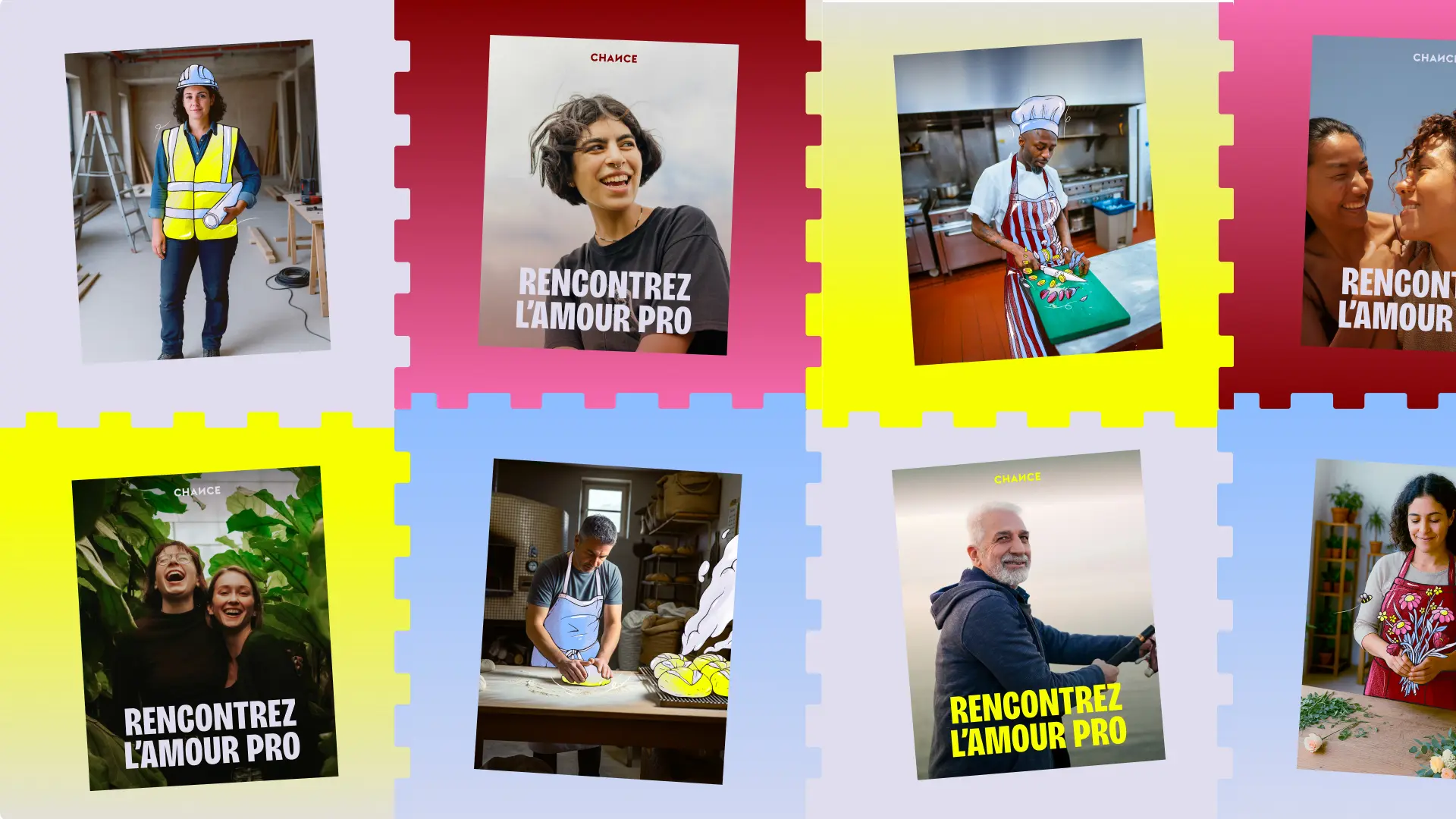
Some brand elements hold real value for customers, even long-standing ones. Removing them abruptly, without a transition, can weaken brand recognition. It is better to identify what still works and evolve it rather than starting from scratch.
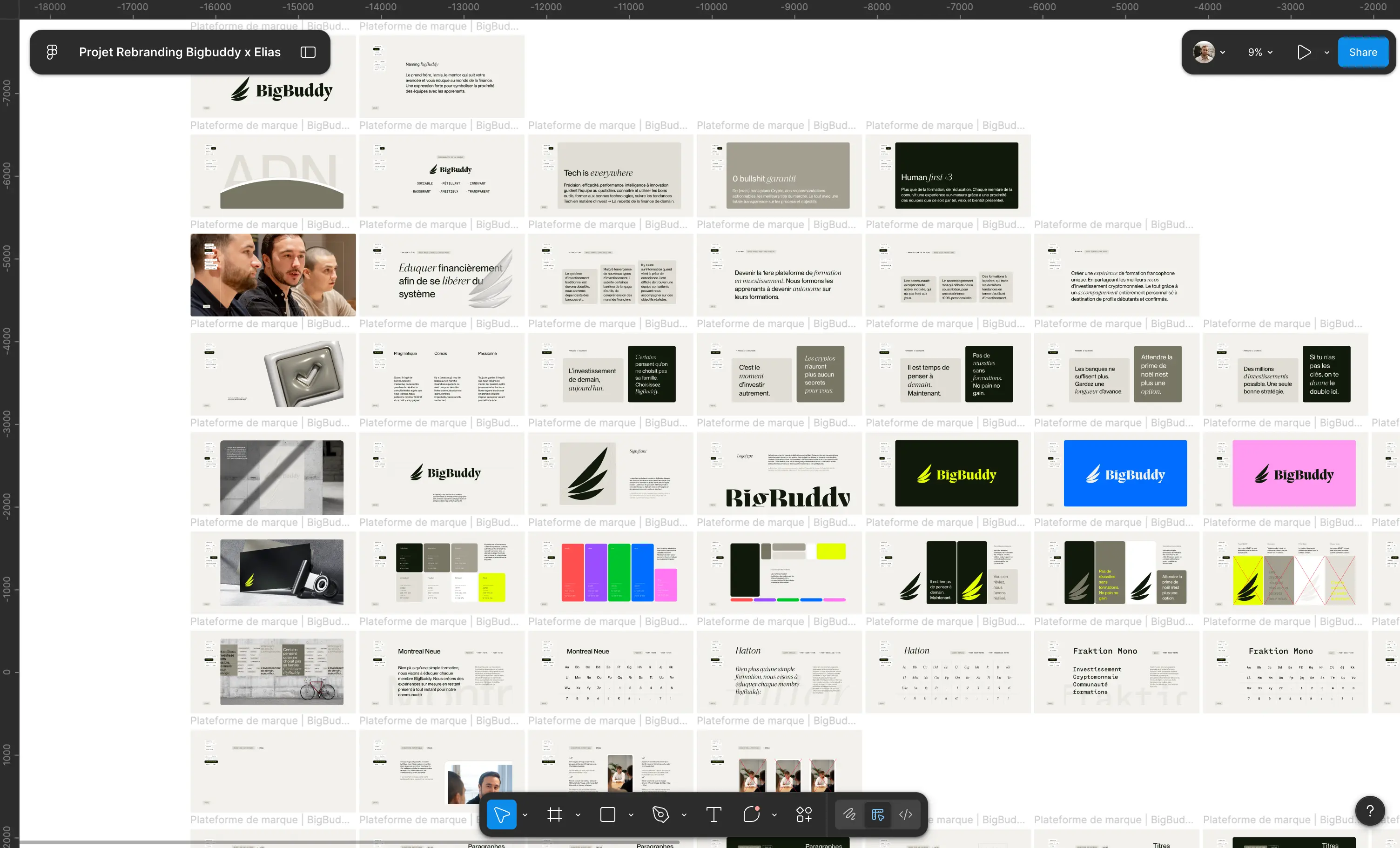
These visual codes are formalized in a brand style guide, the document that ensures identity consistency over time.
A beautiful site that is slow, poorly structured, or invisible to search engines loses all its value. Performance, security, hosting, and SEO optimization must be considered from the design phase, not added at the last minute.
Many young companies underestimate the complexity of a redesign project: strategy, design, content, development, and team training. Partnering with an agency specializing in web design and branding helps avoid most costly mistakes and saves valuable time.
Once live, a website is never truly finished. Technical maintenance, content updates, and ongoing SEO optimization: it is a living system that must evolve with the market, your offerings, and user expectations. Companies that neglect this maintenance often see their performance and visibility decline within months, without even realizing it.
A great startup website is never just a stylistic exercise: it is a tool for growth, credibility, and conversion, designed to support the company at every stage of its development. Whether your project involves creating a showcase site, launching an e-commerce platform, or completely rethinking your brand identity, success relies on the same equation: a clear strategy, expert design, relevant content, and flawless technical execution.
{{cta-3}}
At Studio Elias, we support our clients at every stage of the journey, from brand positioning and branding to Webflow development and the launch of a high-performance website. Our goal: you aren't just creating a site, you are building a brand asset that drives long-term growth and client satisfaction.








.jpg)
.jpg)

%20(1).gif)