
.jpg)
In 2025, branding is entering a new era, driven by technological, visual, and societal developments. This article identifies ten major trends that are transforming how brands express themselves visually:
These trends are not fleeting fads, but strong signals that design is becoming bolder, more immersive, and more responsible – all avenues to consider for building a lasting brand identity.
In 2025, branding is evolving rapidly, influenced by technological, social, and economic changes. Businesses are more compelled than ever to innovate to capture their audience's attention. Design, as a key component of branding, plays a major role in this evolution. This article explores the five major trends redefining branding in 2025, offering insights for businesses to remain competitive.
To understand the concrete impact of this innovation on growth, consult our study on the figures that prove branding transforms businesses.
{{cta-1}}
{{block-cta-1}}
It's one of the biggest post-COVID trends. This style first emerged in publishing and is gradually making its way into branding. This visual approach lends a youthful and fresh tone to brands, making it highly coveted by young art directors.
In recent years, we've witnessed a powerful resurgence of vintage, particularly the styles of the 70s and 80s. This trend is evident not only in fashion but also in cinema and, significantly, in design and branding. Iconic films from that era are being rebooted, rekindling nostalgia for previous generations, and this enthusiasm is reflected in the aesthetic choices of certain brand identities.

Image grain, grainy textures, retro typography, and the earthy or vibrant color palettes typical of the 70s and 80s are making a strong comeback in contemporary designs. This is evident in the adoption of stylized photographs that evoke old film cameras, lending a unique authenticity and charm to visuals. This return to roots is often seen as a response to digital saturation, bringing a sense of comfort and familiarity in an ever-accelerating world.

Artistic directions that incorporate this aesthetic create an emotional connection with their consumers. They leverage the power of memories to evoke positive nostalgia. For example, clothing brands like Wrangler or Levi’s have brought back pieces from their 70s collections to reinvent their current image. More and more companies are choosing to capitalize on these memories, not only for their visual impact, but also to convey values of authenticity and sustainability.
The current trend puts the human element at the core of branding strategies. This idea has always been present, but agencies and studios are starting to harness its potential. Beyond simply presenting products or services, brands seek to forge emotional connections with their consumers. An effective way to achieve this is through the use of mascots, a return to illustrated characters that humanize a marketing strategy's image.

These mascots, whether animal, human, or fantastical, help develop a more accessible and memorable identity. Let's take the example of the mascot for Mailchimp, Freddie, a fun monkey who brings a touch of lightness to a platform primarily aimed at professionals. Freddie embodies humor, a relaxed approach, and user proximity, making the user experience more enjoyable. This helps develop Mailchimp's brand image, which sees itself not just as an e-marketing platform, but as a true growth engine.

This humanization is rooted in the brand platform : it's what defines the personality before giving it a visual form.
Creating mascots also allows companies to tell stories (storytelling), thereby strengthening their positioning. These characters become ambassadors who convey the company's values and soul. Kellogg's has, moreover, brought some of its mascots back into fashion, playing on nostalgia and familiarity. All with a rather clever color scheme that makes them very easy to identify.
The emotional impact of this "mascot" trend is undeniable, as they personify company values while remaining fun and engaging. It's a clever way to make a brand guidelines more human, in an increasingly digitized and sometimes dehumanized world.
With the advent of technology, three-dimensional design has become essential. However, innovation lies not only in the creation of 3D assets, but rather in the harmonious integration of reality and technology. An emerging trend is the fusion of natural materials with digital environments, creating a striking contrast between nature and the virtual world.

3D brings creations to life by adding depth and perspective. This technique is used to develop immersive experiences, often with a hyperrealistic approach that blends natural textures (wood, stone, vegetation) with technological textures (metal, plastic, light). This juxtaposition of design elements creates a unique aesthetic that captures attention and surprises.

Some companies go even further by creating interactive environments where nature meets technology. Advertising campaigns incorporate 3D objects that invite users to explore and interact with the design. For example, IKEA has launched augmented reality applications that allow users to visualize 3D furniture directly in their living rooms, thus merging the real world with the digital.

Today, having an attractive static design is no longer enough. With the proliferation of digital content and the reduction in user attention spans, companies must captivate their audience from the very first seconds. This is where motion design comes in, the art of animating graphic design elements to bring them to life.
Motion design has become an essential science in the designer's toolkit. It allows for the addition of dynamism, fluidity, and interaction to content that was once static. It also helps tell a story in a more engaging way. Designers are increasingly using animations to capture user attention, explain complex concepts, or create immersive experiences.

{{cta-}}
A good example is logo animation, where brands like Google or Spotify play with their visual identity by animating it subtly and elegantly. This not only adds an extra layer to their design but also leaves a memorable impression. In fact, movement can strengthen a brand's identity while positively surprising the user.

Creating a strong design is not easy. And it's important to know that trends aren't everything. Just as we can't see the future, a future trend cannot be anticipated. It can sometimes stem from errors, events, or tests. That's why authentic creation should be prioritized to hope to be ahead of its time. Through this, we encourage you to break the mold. As long as it's consistent with your brand positioning, you're not taking a risk. On the contrary, it could ultimately be a very pleasant surprise.
Finally, in a world where trends often repeat themselves, many brands choose to break the mold. This desire for innovation is particularly evident in web design, where creativity and a departure from conventions can make all the difference.
Rather than adhering to conventional grids or pre-established design templates, brands are looking to stand out with unexpected designs. This can take the form of bold typography, asymmetrical layouts, or non-linear graphic assets that break the monotony of traditional web designs. Nike, for example, frequently explores this direction with interactive homepages, where each scroll becomes a unique experience, telling an immersive visual story.

The key is to surprise while remaining functional. An unconventional design must capture attention without compromising the user experience. This contrast between the unexpected and the intuitive creates a new approach to design, where aesthetics directly serve engagement and interaction.
{{cta-3}}
Artificial intelligence (AI) continues to transform the creative process, playing a central role in modern branding. By 2025, AI is ubiquitous in tools like Figma, Adobe Firefly and MidJourney, enabling designers to generate design concepts quickly and in a personalized way.
Platforms such as MidJourney allow for rapid generation of ideas and refinement of creative concepts, thereby accelerating the creation process. Designers can test different color palettes, develop personalized visuals, and even retouch images using AI. This not only saves time but also produces creations that resonate with the target audience.
To see the best AI tools available, our ranking of the 30 best AI design tools in 2025 is an essential resource.
AI enables real-time design personalization, tailored to specific demographic segments or even individuals. Dynamic AI-powered campaigns allow businesses to customize interfaces according to user preferences, thereby creating a stronger connection with their audience.
However, this rise of AI raises ethical questions. Companies must ensure transparency in the use of these technologies and be careful not to sacrifice human creativity for automated solutions. AI should remain a complement to human talent, not a replacement.

Minimalism, which has dominated in recent years, is gradually giving way to an opposing trend: the maximalism. In 2025, this bold style is gaining popularity, offering a striking contrast to the understated designs of the past.
Maximalism encourages the use of a vibrant color palette, diverse patterns, and bold fonts. Where minimalism favors white space, maximalism adopts a more saturated approach, immediately drawing attention. Shades like vibrant red, electric blue, or ultra-violet are becoming visual signatures.

InUI/UX design, maximalism manifests through detail-rich interfaces, impactful animations, and an abundance of visuals. The goal is to capture attention in seconds within a saturated digital environment. Brands are leveraging this trend to showcase interactive and immersive experiences.

While maximalism thrives on excess, it must be balanced to avoid stylistic overload. Designers aim to develop a subtle harmony between different design elements to maintain a cohesive experience, while avoiding clutter.

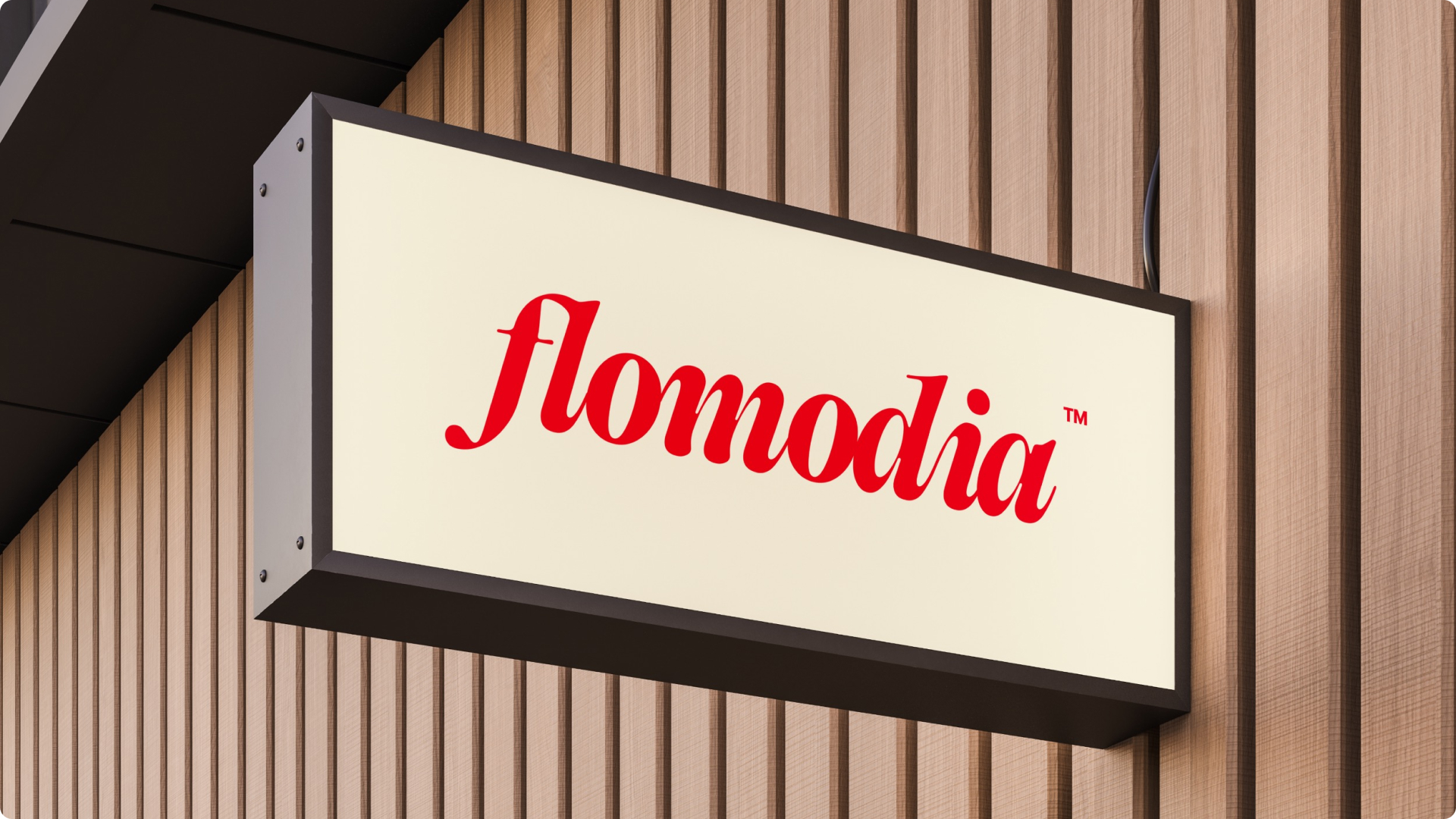
The font becomes one of the most important elements in branding in 2025. Beyond a trend, it's a real awakening. It's no longer just a communication medium, but a creative tool in its own right. For many years, agencies and art directors focused on the logo as the main element of your identity, without realizing they were overlooking other equally important elements.
Companies are increasingly investing in custom fonts, allowing them to differentiate themselves and strengthen their identity. For example, iconic companies like Coca-Cola or Google have long used unique typefaces to solidify their artistic direction. In 2025, this approach is becoming more accessible to businesses of all sizes.
Typography is one of the pillars of visual identity. To understand how to build a coherent typographic system, consult our guide to choosing your color palette and typefaces.
Typographic logotypes are also in vogue. Using typography as the central element of the logo, they offer a clean yet impactful approach. Companies like Netflix have adopted this style, relying on typography to make their logo instantly recognizable.

Typefaces are also used to evoke emotions and capture attention in advertising or digital media. Handwritten fonts can convey a warm and personal feel, while geometric and modern typefaces inspire trust and innovation.

In 2025, augmented reality (AR) is emerging as a powerful tool for brands looking to develop interactive and immersive experiences. AR overlays virtual elements onto the real world, thus offering a new way to interact with consumers.
More and more companies are integrating AR into their advertising campaigns. For example, IKEA and L'Oréal use apps that allow their customers to visualize furniture or virtually test products. This type of immersive experience allows consumers to interact directly with products, thereby increasing their engagement and interest in your brand style.

AR is also transforming packaging. By scanning a product with a smartphone, consumers can access additional information, animations, or special offers. This strengthens user engagement while enriching their shopping experience.
The sustainable design continues to gain importance in 2025, as companies seek to reduce their environmental impact. This trend translates into a more responsible approach to branding, from visual creation to product packaging.
Companies are adopting eco-responsible design practices and styles by using recycled materials, optimizing digital files to reduce energy consumption, and minimizing superfluous packaging. Transparency also becomes a key element, with companies communicating their efforts to respect the environment.
While sustainability imposes certain constraints, it can also be a source of creativity. Designers are increasingly challenged to find innovative solutions to combine aesthetics with environmental respect. This can involve using ink-efficient fonts, natural colors, or recycled printed materials.

In summary, 2025 is a pivotal year for design and branding. With the rise ofAI, maximalism, bold typography, augmented reality, and sustainability, companies must adapt to these trends to capture the attention of an increasingly demanding audience. These developments are not just fleeting phenomena, but profound transformations that are redefining long-term branding strategies.
Be careful not to follow these trends literally. Your personality and business objectives should define your visual identity, not the other way around. A great brand starts first and foremost with a great idea. Simply applying a few trends isn't enough to become the next Apple. A user's sensibility goes beyond simple tastes. Users can identify with your positioning, your taglines, or a brand idea. These assets are what will bring emotional power to your brand. "Design" in general and the choice of design trends will only reinforce them. Don't forget to be consistent in your brand deployments. Choosing a trend is important and shouldn't be taken lightly. If you choose this path, you'll need to commit 200%.
At Studio Elias, we are at the forefront of this evolution. By combining innovation and creativity, we help our clients create identities that resonate with tomorrow's trends. Whether you want to explore the infinite possibilities ofAI or adopt a more sustainable approach, we are here to guide you in this constantly evolving world.
{{block-cta-1}}
It's good to start with a strategy and positioning phase. Understanding who you are and what you should look like is key to fostering your company's growth. Only after this crucial step can you begin to develop your company's brand guidelines. At this point, you can sparingly use these trends to finally deploy them across all your media. Be aware that creating a visual identity from scratch is difficult work. We recommend partnering with an agency to navigate these 3 crucial steps:
We help our clients define and express their strengths through a powerful Brand Idea.
Storytelling / Purpose / Naming / Values / Personality / Mission / Key messages.
We create a coherent Artistic direction, ensuring internal and external consistency.
Logo / Typography / Colorimetry / Photography / Illustration / Iconography / Motion / Mockup
We deploy your identity on the web. We connect with your audiences using Webflow
Wireframe / Web design / Webflow / Custom animation / GSAP / Responsive / SEO / Finsweet / Training / Maintenance
It's always good to check in, book a call without delay !








.jpg)
.jpg)




%20(1).gif)