The main thing to remember
Artificial intelligence is a powerful tool for generating photos and videos, but it will never replace human vision or the consistency of a well-thought-out brand. The secret of strong branding lies in the balance between creativity, strategy and emotion.
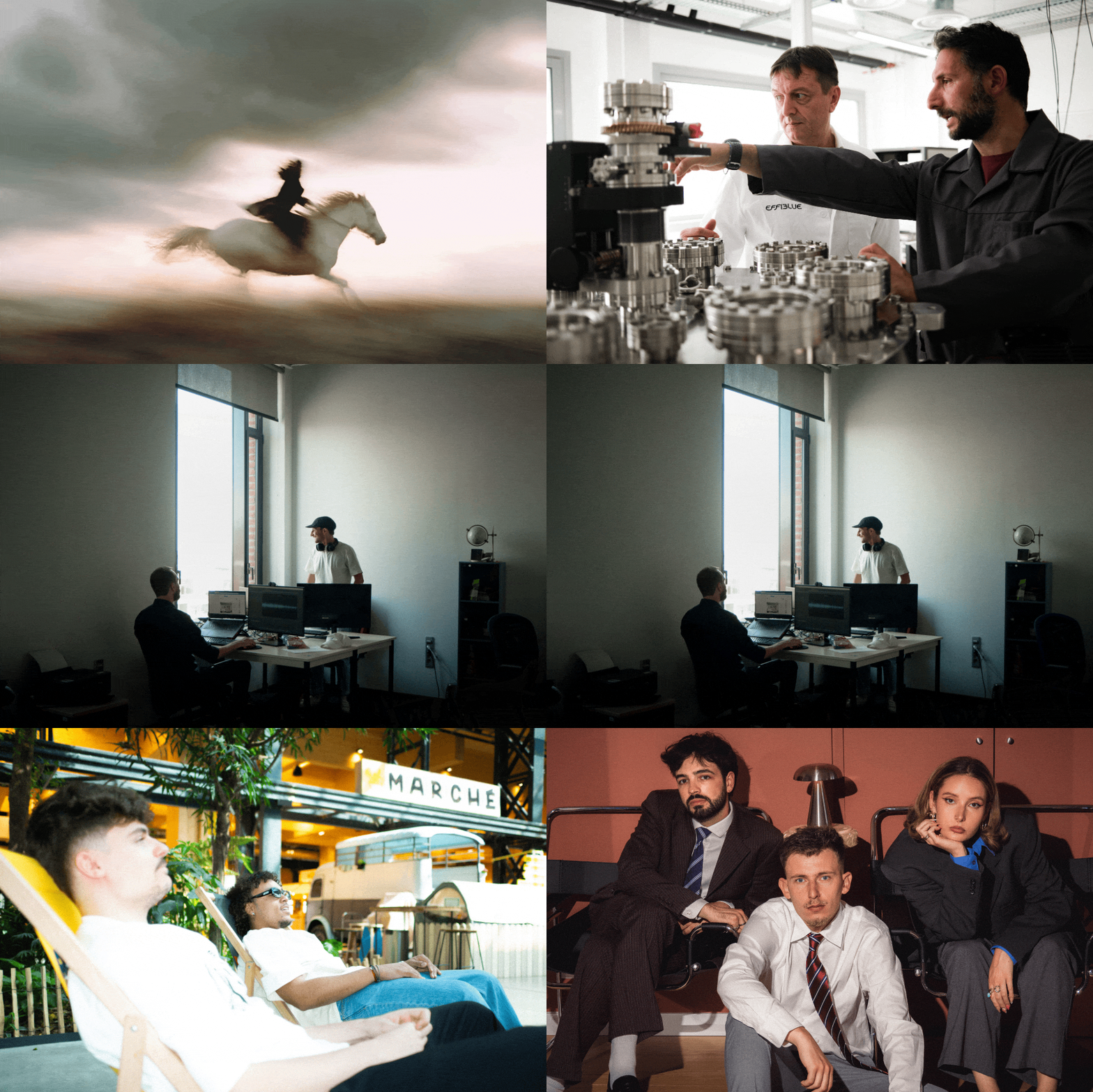
We recommend using AI for very precise moodboards, worlds that are difficult to replicate, but keep in mind that you will quickly reach its limit if you try to generate emotion with faces, animals etc.
AI can inspire, accelerate, and support creation, but it's the designer's job: their sensitivity and understanding of the customer, that transforms these ideas into a unique and memorable identity.
In a world where image sells and where speed takes precedence, artificial intelligence has become a major ally for brands. Generating photos, videos or even visual concepts in a few clicks: the promise is attractive. But how can you use artificial intelligence in a strategic way to strengthen your brand identity — without losing the coherence, emotion and human vision that make a difference?
At Studio Elias, we believe that creativity cannot be replaced: it increases.
AI is at the service of branding, not the other way around
Artificial intelligence is not intended to replace creative work, but to enrich it. It helps to explore leads, analyze trends, and design visual content more quickly. For a company, this can mean more responsiveness, more ideas, and better adaptation to its market.
Generative AI tools like Midjourney, Runway or D-ID allow you to create photos and videos from simple prompts. These platforms become real levers for testing concepts before production, visualizing a decor, an atmosphere, or a brand identity.
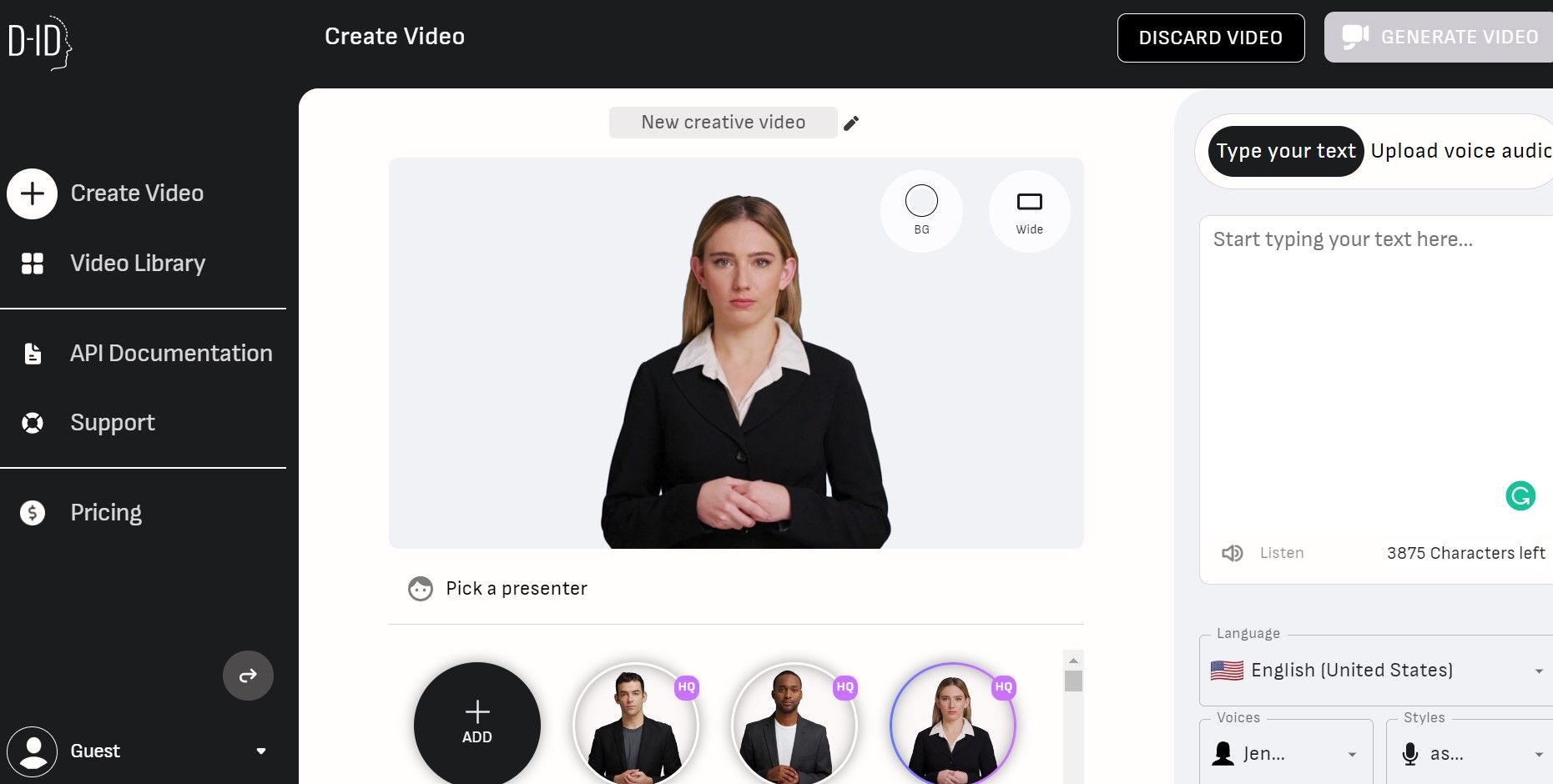
But be careful: using AI does not mean doing without a strategy. Good branding in the age of AI is based above all on the coherence of a brand, its voice and its vision.
{{cta-1}}
Creating a brand identity in the age of AI
Before producing content, you need to understand what you want to say and who you want to say it to. AI can help structure ideas, analyze data, or even optimize the tone of a message. But brand strategy remains a human approach: defining a coherent identity, a strong experience, and a clear editorial line.
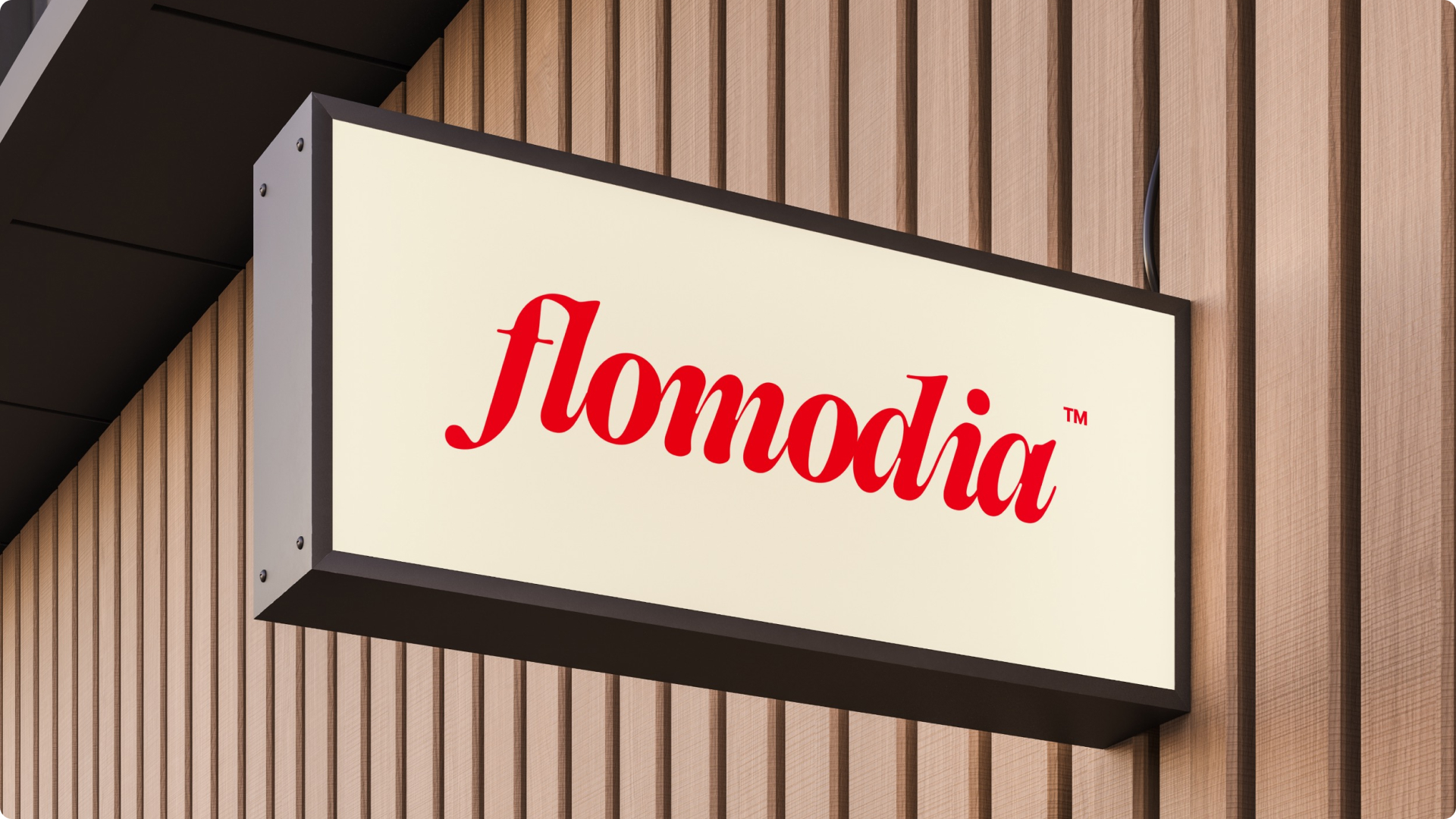
An example: during our work on Flomodia, we designed an immersive visual universe around movement and fluidity, a direct reflection of their name and mission. An AI could have created a thousand variants of images, but never captured this human nuance: the connection between emotion, rendering, and strategy.

This is where the key lies: AI generates, humans interpret.
The most useful photo and video tools for brands
For brands that want to use these AI tools strategically, here are some interesting ways:
- Midjourney/ Leonardo.ai : generate coherent photo concepts for moodboards or campaigns.
- Runway ML/ Pika Labs : produce videos based on textual descriptions, useful for prototyping.
- Kaiber / Synthesia : create short video formats for social networks or digital marketing.
- GPT chat + Photoshop Beta (Generative Fill) : a powerful combo for refining, retouching and framing a visual.
👉 These powerful tools are no substitute for professional rendering. They enrich it, saving time in the research and design phase.
{{cta-2}}
Mistakes to avoid with AI in branding
- Believe that AI is enough to create a strong brand.
AI can develop, but not build, a brand identity. Coherence, personality and strategy always come from people. - Neglecting visual coherence.
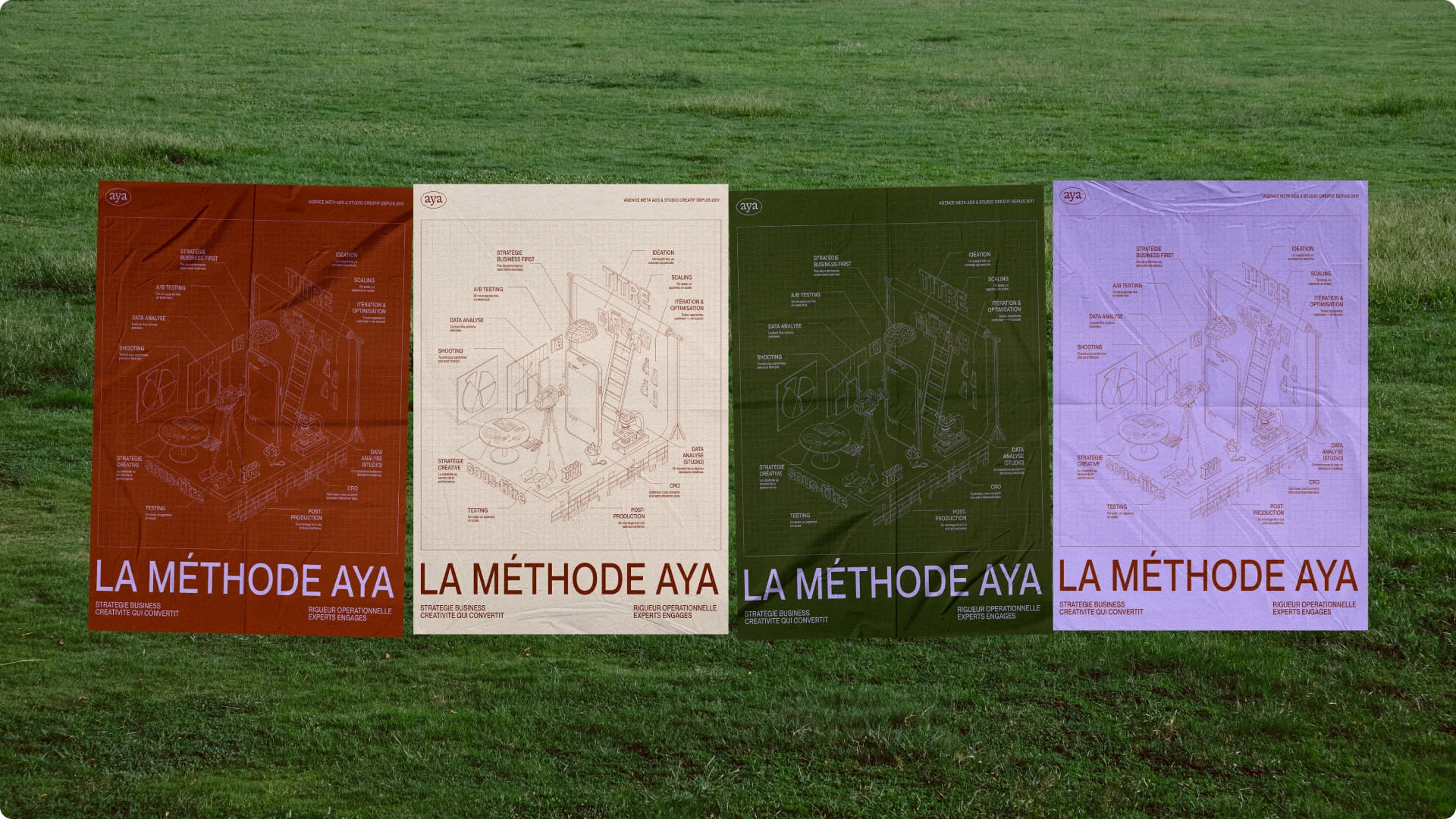
AI-generated images are often spectacular... but rarely consistent. A coherent brand is based on a stable artistic direction, colors, fonts, a clear hierarchy... in short, a thoughtful design. Discover our approach in the dedicated article onAI: the best tools to create your images and visual content. - Settle for aesthetics.
A generated photo can be beautiful, without serving your communication strategy. At Studio Elias, we always remember that a visual is not just an ornament: it is a strategic element in the service of the message. - Forget authenticity.
The public can tell when it's wrong. Too much AI, and the image becomes cold, soulless. The secret? Use AI as a source of inspiration, never as an end.
AI and design: a strategic duo, not automatic
Branding in the age of AI requires a balance between technology and creativity. The algorithm is fast, but human sensitivity alone can create brands that resonate.
Let's take the example of Pipole Media : their image is based on the energy of the collective and the strength of the content. An AI could have produced thousands of visuals, but the real value lay in the vision and consistency of the brand, translated into thoughtful design, accurate typography, and a distinctive tone.

It is this combination, rigor, analysis, and human creation that allows a strong brand to stand out in a saturated environment.
From generation to incarnation
AI tools make it possible to create content quickly, but it's the brand strategy that turns it into an experience. At Studio Elias, we see AI as a lever for exploration: a way to open up leads, analyze needs, discover trends, before designing an identity that truly embodies the brand.
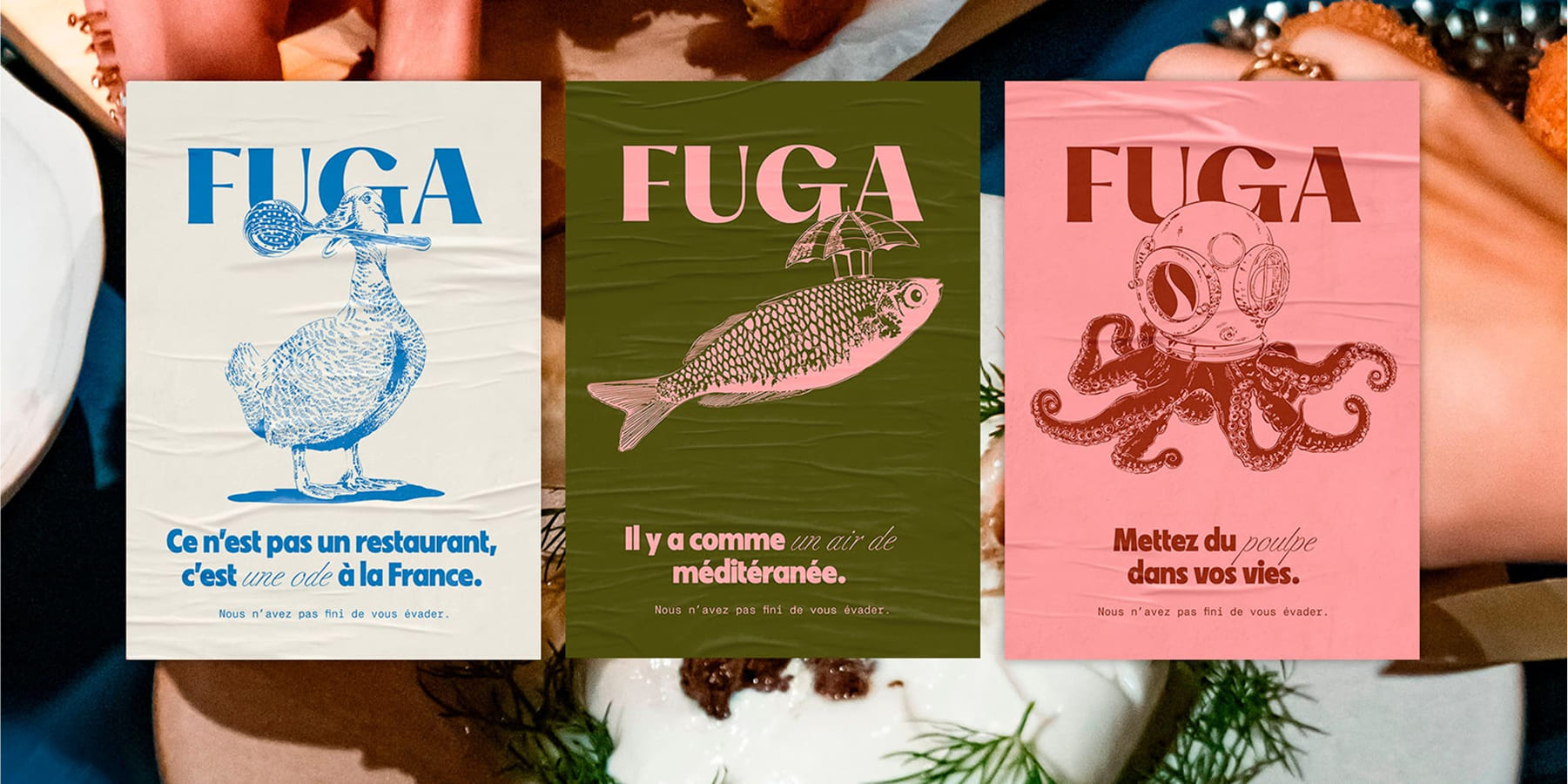
A good example: the site Fuga. The design is based on serenity, light, and strong storytelling. Human values, translated into a clear artistic direction, without AI, but with a real communication strategy.
{{cta-3}}
In summary
Generative AI is a great tool for testing, exploring, and producing content. But the real difference is in strategy, consistency and our creativity.
The strongest brands are the ones that know how to integrate AI without losing their voice, identity, and emotional impact.