The main thing to remember
Yes and no: artificial intelligence is redefining the way we create, but it replaces neither intuition nor human sensitivity. It can inspire, accelerate and assist, but never feel. Tomorrow's design will be born from this alliance between the power of technology and the depth of the human eye, where ideas come to life and meaning goes beyond simply generating images.
Is AI the future of design?
Or how algorithms learned to draw… but not yet to feel.
Every week, a new artificial intelligence promises to “revolutionize creation”. Midjourney generates stunning visuals, ChatGPT writes text in seconds, and Figma already integrates AI features to generate interfaces on the fly. So inevitably, one question keeps coming back: will artificial intelligence replace designers?
At Studio Elias, the answer is clear: artificial intelligence changes the way we create, but it doesn't replace creation itself.
AI in design: a revolution… of assistance
Artificial intelligence is no longer an abstract concept reserved for engineers: it's now at the heart of creative software. In a few clicks, you can generate an image, design a harmonious color palette or even create a complete interface prototype. Tools like Figma, Adobe Firefly, Canva Magic Studio and Runway already offer generative AI features capable of saving hours of repetitive work.
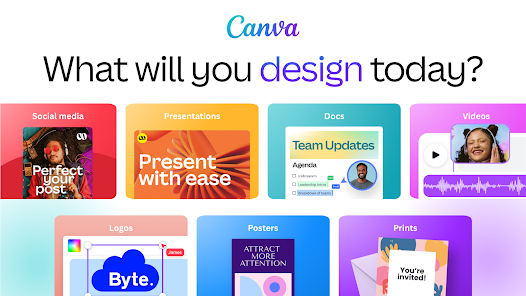
In theory, everything becomes simpler: AI cuts out an image in an instant, suggests visual compositions, writes alt text for SEO or proposes graphic variations from the same concept. A boon for content creators, designers and marketing teams looking to save time while producing more.
But this speed comes at a price.
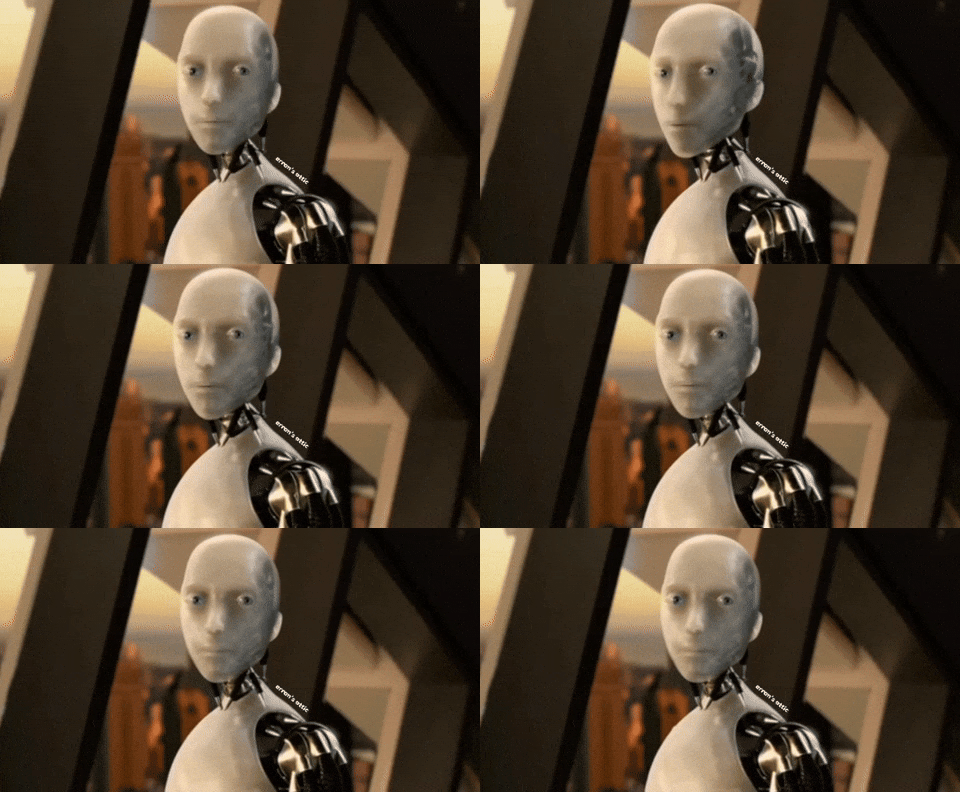
Behind every generated image lies a gigantic database, a mix of pre-existing images. In other words: artificial intelligence doesn't create, it recombines. It produces appealing visuals, admittedly, but often marked by aesthetic uniformity: those perfect faces, those flawless textures, that “too clean” light we recognize immediately.
Artificial intelligence produces the “already seen”, because it learns from the past.
Yet design isn't about reproduction, it's about intention. It's not just about assembling visual elements, but about giving meaning, meeting a specific need and expressing an emotion.
When a designer creates an interface, they think about the user, their journey and what they should feel when interacting with the product. When an agency imagines a visual identity, it seeks to express a brand's personality: its values, its tone, its story.
And that's precisely what AI can't do: it doesn't understand context, doesn't analyze strategy and doesn't assess overall consistency.
Artificial intelligence can propose a perfect visual, but it can't say why it works, or for whom.
That's the whole difference between an assistance tool and a designer's eye. The first executes; the second interprets, selects and prioritizes.
Creating isn't just generating
Using AI means producing from a database. Creating a design means crafting a human experience.
This nuance may seem subtle, but it changes everything.
Artificial intelligence works through statistical analysis: it observes, learns and reproduces what has already existed. It generates a coherent visual result, often aesthetic, sometimes stunning. But what it reproduces isn't an idea; it's an average of what the world has already produced.
A designer, on the other hand, isn't looking for the average: they look for meaning, emotion, uniqueness. Creating means understanding why something must exist and how it should be perceived.
An AI tool can generate a logo, a layout, a poster or even a complete interface. But it will never know why your company needs this specific style, this serif typeface that evokes trust, or this color palette that inspires serenity. It can't interpret a brand's personality or adapt its visual tone to its market, its target or its culture.
We discuss this in our dedicated article on the best AIs to create a professional logo, where we go into the subject in more detail.
Design isn't limited to graphic production: it's a strategic approach, a way of thinking. It's about listening, translating and prioritizing messages to tell a coherent story through every visual element.
At Studio Elias, every project starts with in-depth analysis: understanding the client, their positioning, their values, their users, their market. This often invisible thinking phase is what gives design its strength and accuracy.
Because behind a successful logo, a smooth interface or a bold typeface, there's always a human intention. And that intention can't be programmed; it has to be felt.
That's what turns a simple visual into a brand identity. It's what makes a user not just see a design, but live an experience.
{{cta-1}}
When creativity becomes augmented
AI: a creative assistant, not a rival
Artificial intelligence isn't a threat to creativity; it's an accelerator of inspiration. It lets you generate ideas, quickly visualize a concept or test visual directions before moving on to detailed creative work.
In seconds, tools like Midjourney, Firefly or Runway can produce photorealistic renders, suggest color palettes or even turn the same visual into several styles. So many possibilities that would have required hours of research, drawing or editing not long ago.
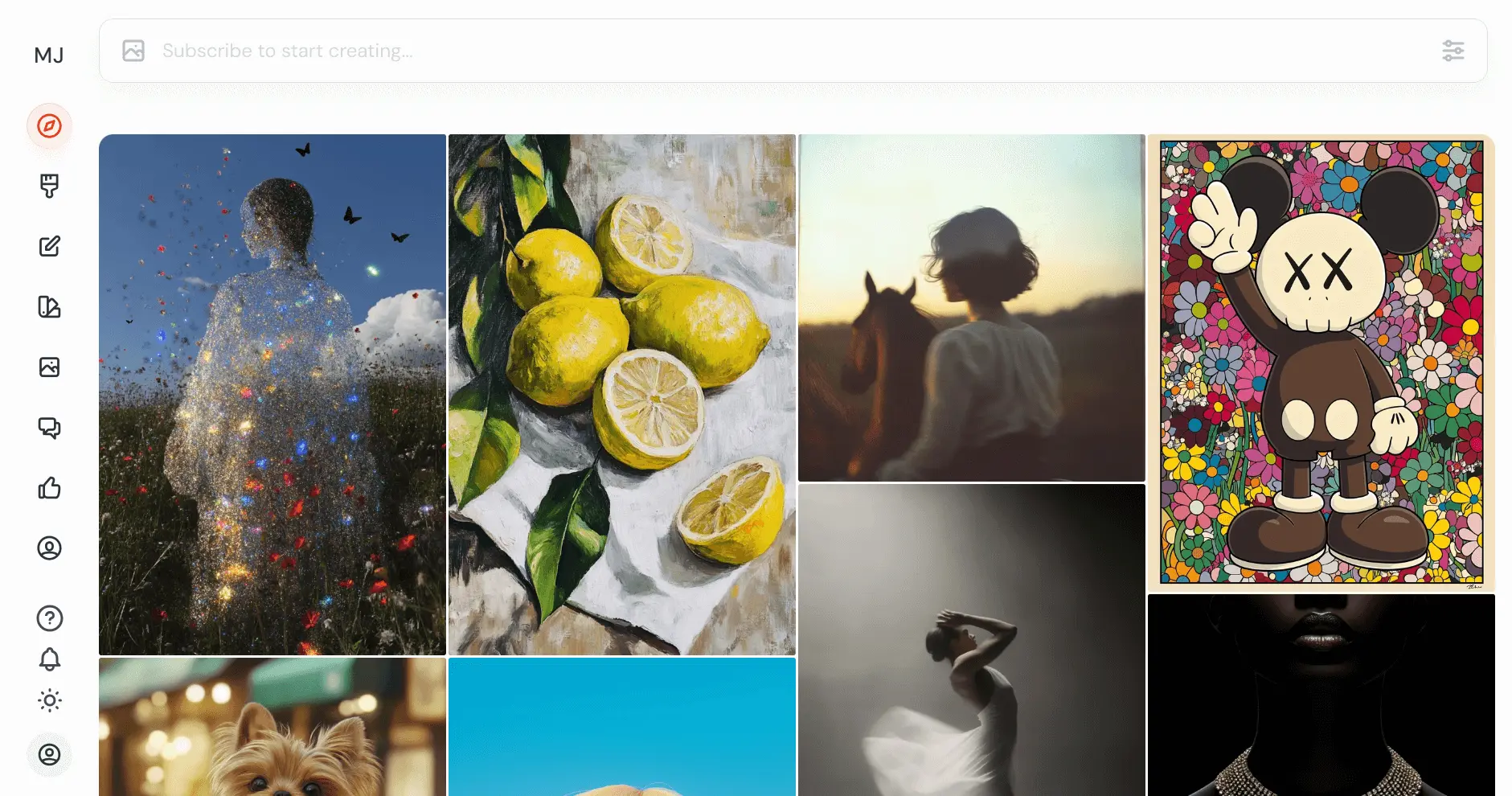
But this abundance doesn't make AI a creator. It inspires; it doesn't design. It suggests directions, but understands neither the goal nor the intention. It's up to the designer to use it consciously, using the machine to broaden their visual field without getting trapped in its suggestions.
If you want more authenticity, discover Studio Elias's best photo shoots, where photography plays a key role in creating an emotional connection with the audience.
Human imagination as an essential filter
The real value of design isn't measured by speed of execution, but by the quality of the eye. The designer knows how to choose, prioritize, interpret and, above all, give meaning.
Where artificial intelligence strings together combinations from statistical models, the designer composes a visual story. Where AI assembles data, humans connect emotions, contexts and symbols.
An algorithm can create ten versions of a poster. But only a human eye will recognize the one that truly speaks to its audience, the one that evokes the right emotion, the one that embodies a brand's spirit.
Creativity isn't in production; it's in decision. And that decision remains fundamentally human.
AI tools as compasses, not maps
Today's AI design tools, whether they suggest shapes, improve a composition or generate color variations, are creative compasses. They guide and stimulate us, but must not replace thinking.
Because the right design isn't just a harmonious aesthetic. It's rooted in a strategy, a market, an audience. It must convey a clear intention and reflect a brand's identity.
That's where humans take back control: refining lines, adjusting proportions, balancing space, choosing the right tone, visual or emotional.
Design isn't a series of logical instructions. It's a sensitive language shaped by perception and instinct.
Studio Elias's vision: technology serving the idea
That's exactly the philosophy we apply at Studio Elias. AI could generate appealing visuals, but it would never know why they work or how they fit into a coherent brand story.
We approach every project as a collaboration between strategy and emotion. Our work illustrates this:
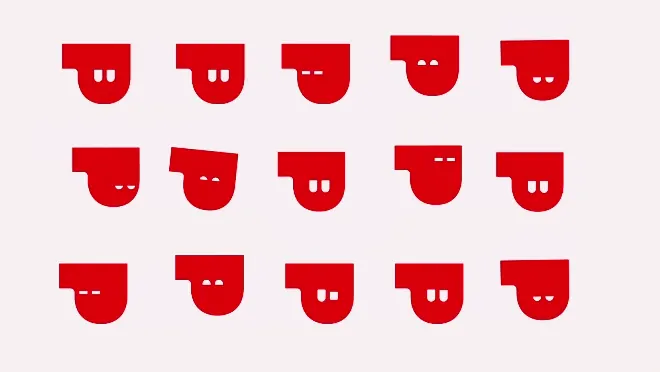
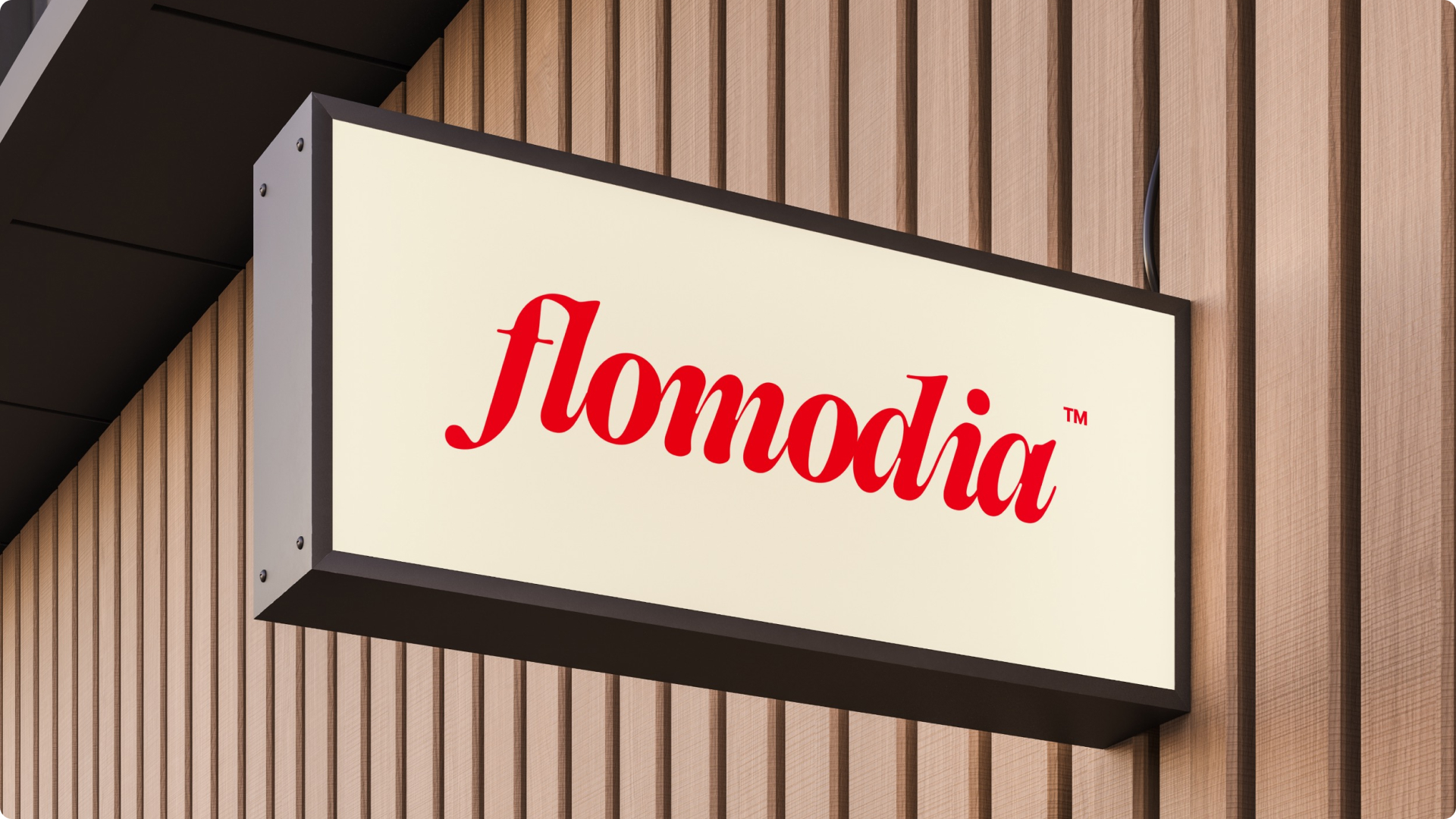
- Flomodia: a fluid, organic design built to adapt to a variety of video content while asserting a strong, recognizable identity.
- Pipole: a vibrant visual world, between modernity and emotion, where every element tells a vision of media and movement.
- Chance: a people-centered brand, where every color, typeface and shape expresses a philosophy of meaning and balance.
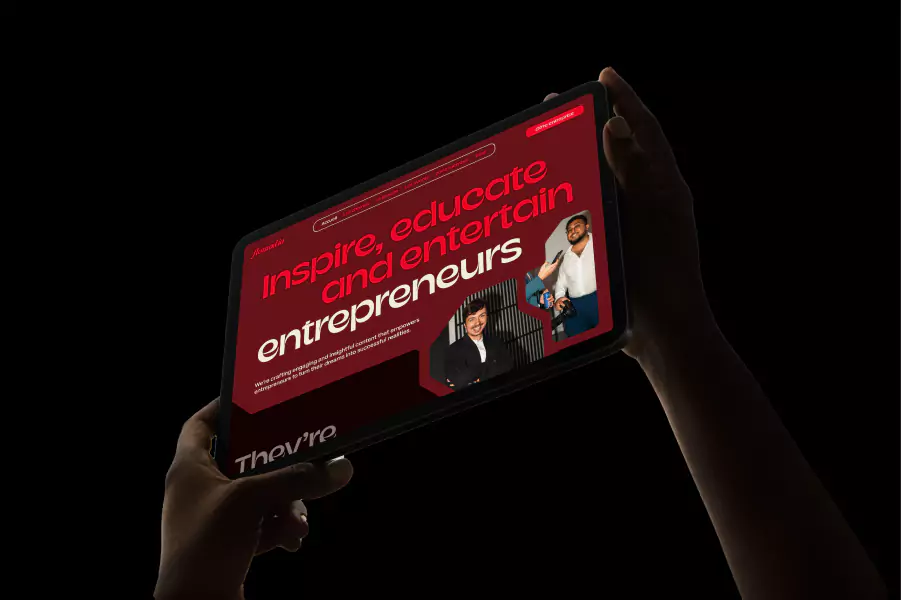
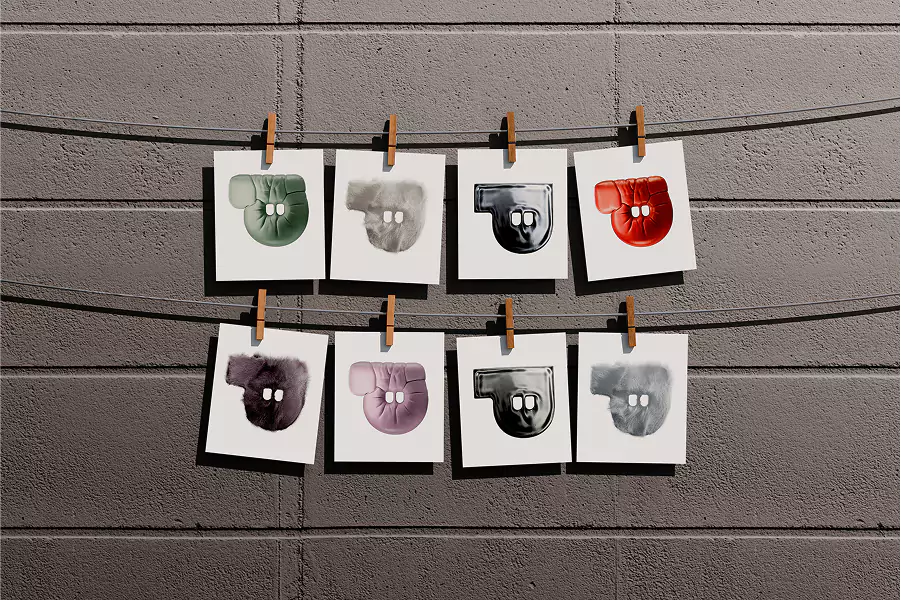
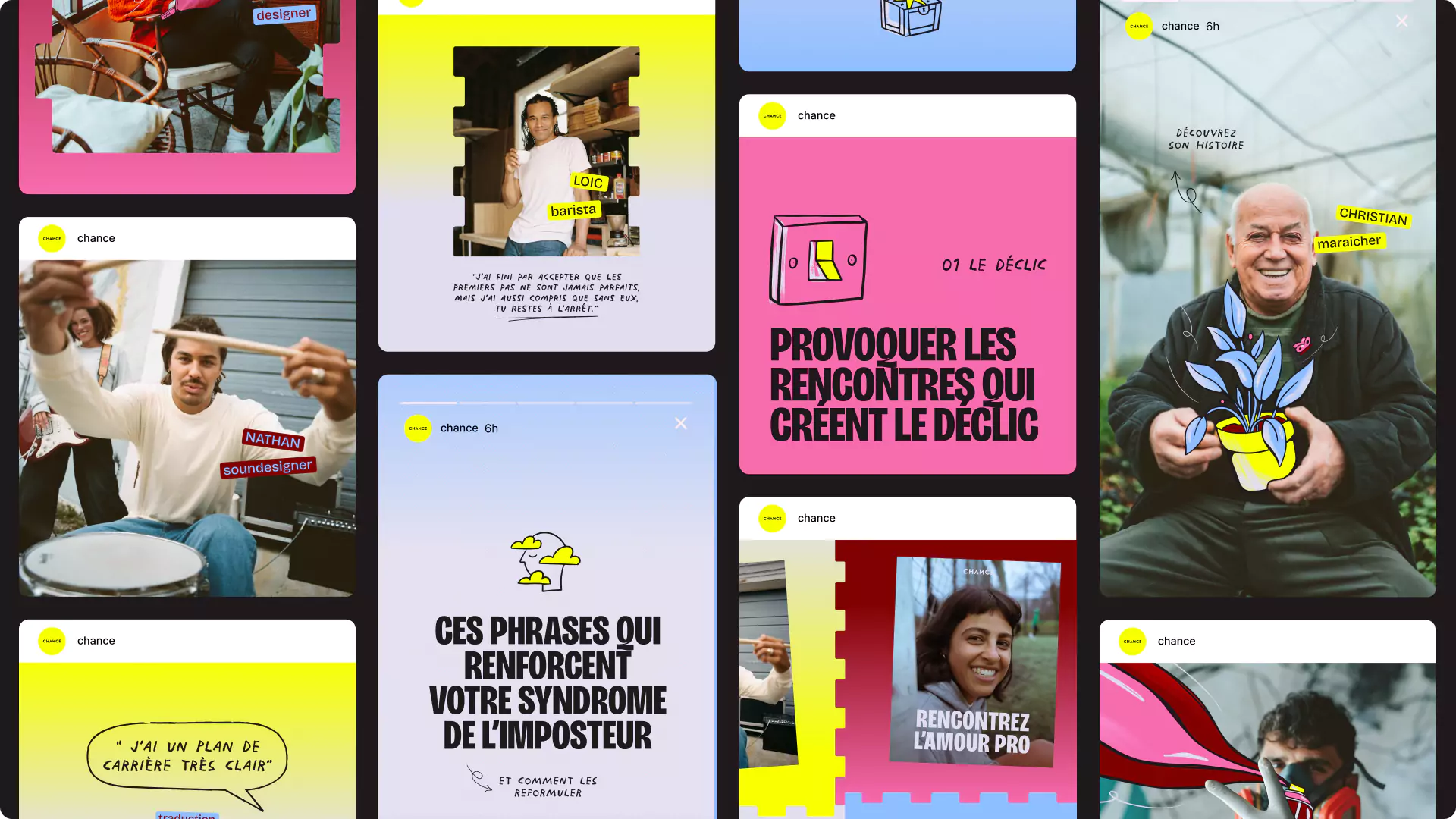
These projects aren't the product of an algorithm, but of interpretation, listening and intuition shared between the client and our team.
AI could have produced images. But it would never have been able to tell their story.
Because ultimately, creativity doesn't need to be replaced. It simply needs to be augmented: by tools, yes, but above all by ideas, emotions and a clear vision.
{{cta-2}}
The future of design: coexistence, not replacement
The future of design won't be AI or humans, but AI and humans. Not a battle of intelligences, but a collaboration between logic and sensitivity.
Designers who know how to use AI intelligently will have a head start: they'll be able to delegate the technical side to focus on the essentials, what the machine can't do. Thinking, feeling, understanding.
AI can learn a style, imitate a layout and propose endless variations. But it understands neither the unspoken nor the emotional intention behind a graphic choice. It doesn't feel the tension of a contrast, the softness of a typeface or the symbolism of a color.
Good design isn't a perfect image. It's an idea that moves, a form that tells a story, an experience that leaves a mark.
In a world where everything can be generated in seconds, what will make the difference is consistency, truth and vision. Humans bring the why where AI only gives the how.
Tomorrow, the best designers won't be those who reject AI, but those who integrate it with discernment, to amplify their creativity without diluting it. They'll use these tools to prototype faster, test further and dream bigger, without ever forgetting that a design's beauty comes from the intention behind it.
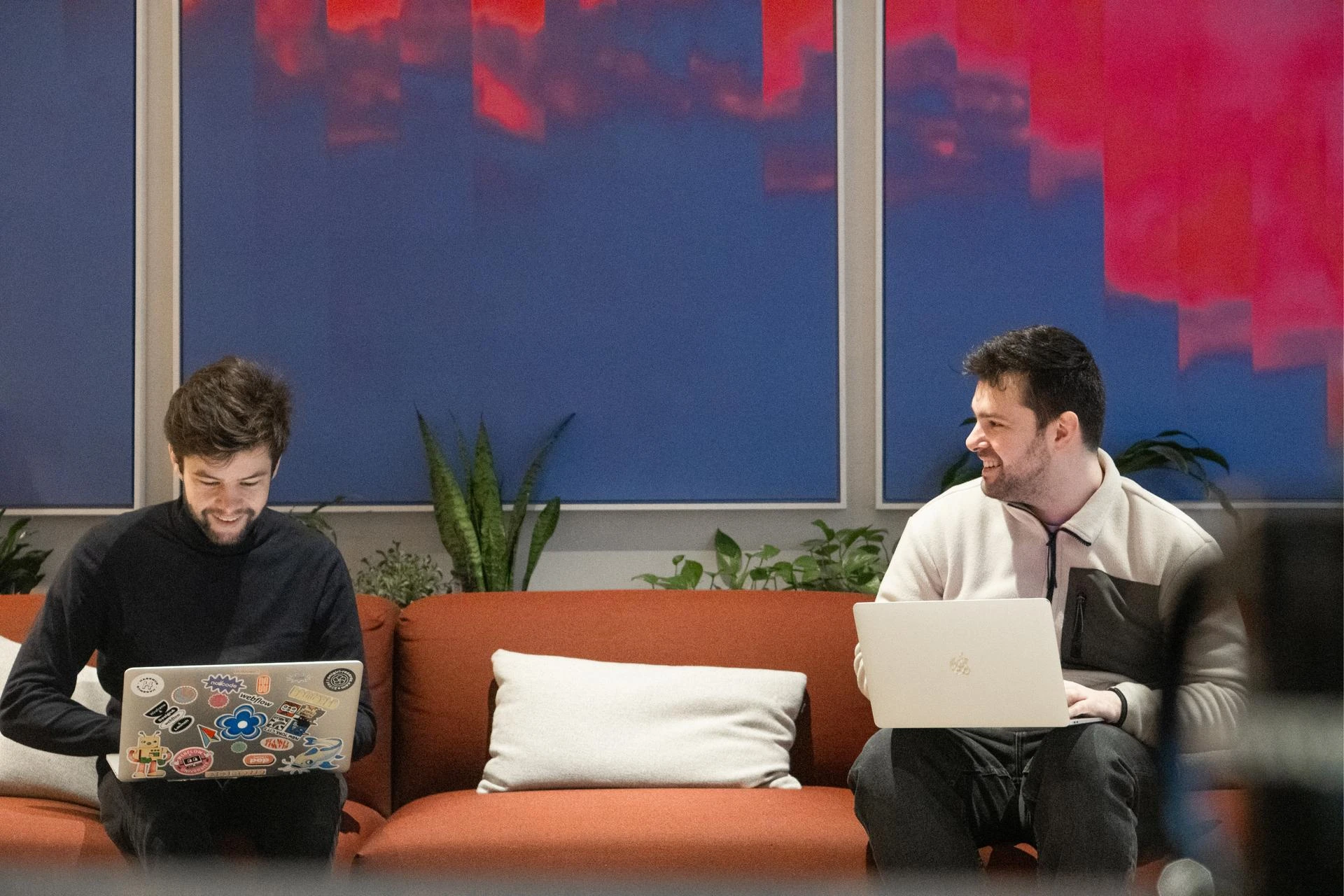
At Studio Elias, we believe in this cohabitation. To a future where AI will become a support tool, not a substitute. Where technology will free up time to refocus on what is the essence of the job: imagine, tell, and give meaning.
Because the more machines learn to create, the more vital it becomes to preserve the soul of design: the soul that cannot be coded.
Creative AI: a tool, not a style
Today, we often talk about “AI style”. These flawless visuals, with perfect textures, unreal lights, flawless faces. A smooth, symmetrical universe, attractive at first glance, but which ends up looking the same everywhere.
The risk is that design will lose its cultural depth and become a mere algorithmic fad. However, design is more than aesthetics: it is a visual language, a way of thinking, a creative intention. Each line, each nuance, each space tells something about the world we live in.
AI can generate content, but it doesn't yet know how to create context. She may suggest variations, but she does not understand why these choices exist. She doesn't know the culture of a brand, the psychology of a user, or the subtlety of a tone.
AI tools are not creators: they are extensions of our skills. They allow you to explore, to experience, to simulate, not to feel.
Where the designer analyzes, chooses, and composes, AI executes. And it is precisely in this relationship of balance that the power of tomorrow's design lies: technology at the service of the idea, not the other way around.
At Studio Elias, we see technology as an accelerator of ideas. It helps us to iterate more quickly, to test more widely, to refine our intuitions. But never to replace the creative process.
Because good design is not the result of calculation, but of controlled emotion, collective thinking, and dialogue between the brand and its audience.
AI can help us do more. But it is always the human who decides how far.
The role of humans in an automated society
As AI tools become more powerful, a conviction is growing: design is not just a succession of tools or techniques. It is an emotional language, an interpretation of the world, a meeting between sensitivity and logic.
AI knows how to learn, memorize, simulate. But she doesn't get it. It does not capture the intention behind a gesture, or the reason why one composition works better than another in a given cultural context. She does not perceive the discomfort of a user, nor the silent satisfaction of a fluid journey.
Humans, on the other hand, read between the lines. He feels the tensions, the imbalances, the visual silences. He knows when a design “works,” not because it ticks the boxes of an AI model, but because it elicits real emotion.
It is this ability to listen, interpret, and feel that makes the designer much more than an executor: he is a translator of intentions, a constructor of meaning, an intermediary between the brand and its audience.
At Studio Elias, this human dimension is at the heart of our approach. Before each concept, there is a conversation. Before each identity, an analysis of the company's experience and vision. Before each interface, a reflection on the user experience.
Because design is not limited to what you see: it tells you what you feel.
AI can generate thousands of images. But a single fair idea, born of human exchange, has the power to make a lasting impression.
The future of design will therefore not be decided in the competition between man and machine, but in their intelligent cohabitation. AI offers endless perspectives, but it is the human who will choose which direction to give to these possibilities.
The designer of tomorrow will undoubtedly be more technologist, but also more philosophical. He will know how to use the machine as a tool for experimentation, while remaining the guarantor of meaning, beauty and truth.
And this is, without a doubt, the greatest promise of this new era: that of design enhanced by technology, but guided by human intuition.
{{cta-3}}
Conclusion: artificial intelligence will never have your emotions
AI can analyze data, generate content, automate tasks. But she will never know how a human feels about a color, a logo, or an image.
The design of the future will be augmented, not automated. And as long as there are people to see the world differently, to imagine, to create meaning...
The design will remain deeply human.